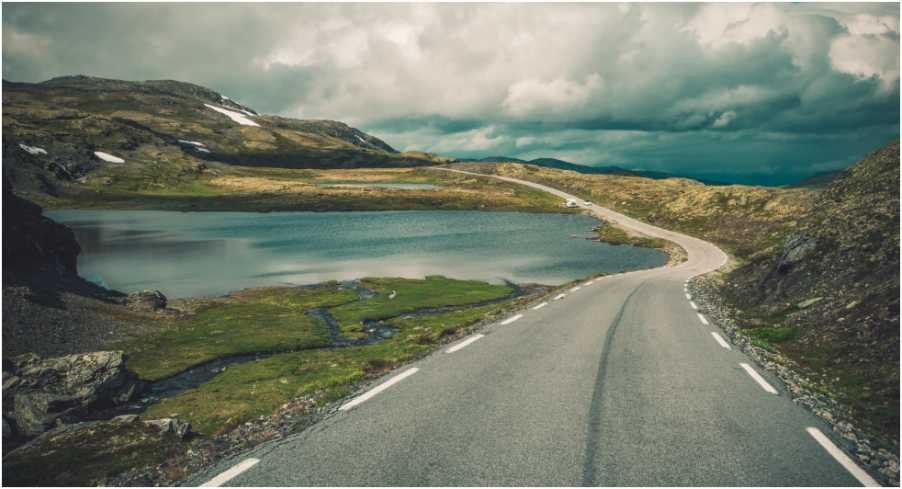
Some places make you work for one good frame. Others hand you mountains, wildlife, mist, water, and light before breakfast. The best destinations for nature photography and landscape views give you both drama and variety, so every hour outdoors feels worth the memory card space.
I look for three things before choosing a photography trip: strong natural shapes, changing light, and easy access to multiple compositions. A beautiful place is not always a great photo destination. A great photo destination gives you foregrounds, scale, weather, wildlife, and repeat chances when the light changes.
How I Choose a Great Nature Photography Destination
My personal rule is simple: choose places with a high “shot payoff per step.” That means I want big visual rewards without needing to burn every day on extreme hikes. Long treks can be amazing, but they are not the only way to capture world-class views.
For US readers planning limited vacation days, access matters. Roadside pullouts, boardwalks, boat routes, valley roads, and guided drives can make a huge difference. Grand Teton, Kruger, Chobe, and the Galápagos are excellent examples because wildlife and scenery often meet in reachable places.
I also think in lens categories. Wide scenes need ultra-wide lenses. Mountain layers need zoom flexibility. Wildlife needs safe distance and a long lens. The strongest destinations for nature photography and landscape views let you use all three.
Mountain and Glacial Destinations for Big Landscape Shots
Patagonia, Chile and Argentina
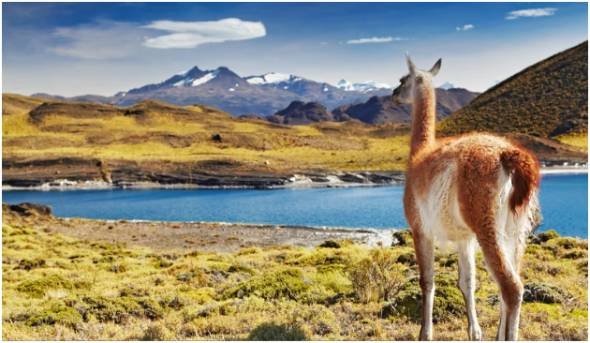
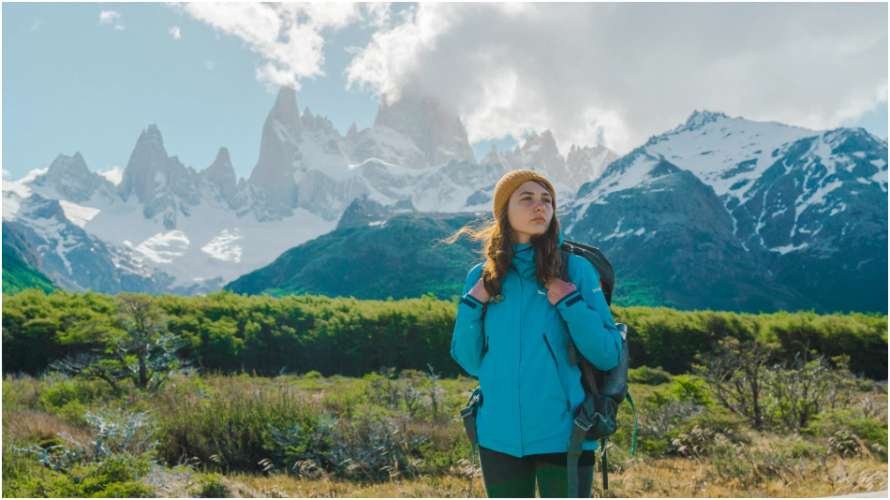
Patagonia is the kind of place that makes a tripod feel essential. Torres del Paine gives you jagged granite spires, turquoise glacier-fed lakes, wind-shaped clouds, and icy ridgelines that change by the minute. The drama is not subtle, which is exactly why photographers love it.
My favorite approach here is to shoot the same peak twice: once wide with water or grass in the foreground, then again with a telephoto lens to compress the mountain layers. Patagonia rewards patience because the weather can shift from flat grey to theatrical light fast.
The Italian Dolomites, Italy
The Dolomites feel sharper and more sculptural than many alpine destinations. Their pale rock towers, deep valleys, and razor-edged ridgelines glow beautifully during sunrise and sunset. Autumn adds gold trees, cooler air, and cleaner contrast.
This is one of the best mountain destinations for landscape photography if you like clean shapes. Instead of chasing only famous viewpoints, I would look for side light hitting the rock faces. That creates depth and makes the mountains look carved.
Canadian Rockies and Indian Himalayas
The Canadian Rockies deliver classic alpine beauty: reflective lakes, glacial valleys, pine forests, and snow-lined peaks. Peyto Lake and similar viewpoints are strong choices when you want sweeping compositions without remote backcountry travel.
The Indian Himalayas feel more stark and cinematic. Pangong Tso and Spiti Valley give you high-altitude terrain, dry mountains, shifting lake colors, and huge empty skies. These places are ideal for photographers who like minimal scenes with bold scale.
Volcanic, Coastal, and Water Landscape Destinations
Iceland
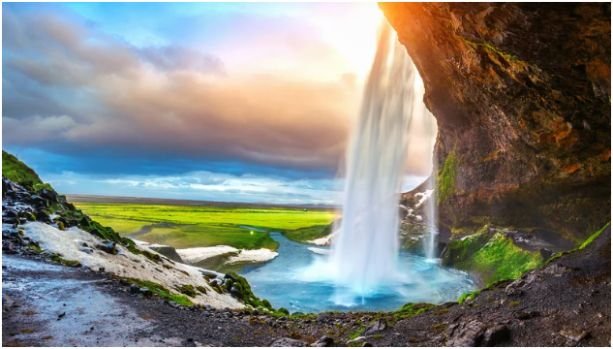
Iceland is one of the most reliable destinations for nature photography and landscape views because the island stacks visual contrasts close together. Black sand beaches, glaciers, waterfalls, ice caves, mossy lava fields, and moody skies can all fit into one route.
The South Coast is especially strong. Seljalandsfoss, Skógafoss, Reynisfjara, glacier lagoons, and ice-strewn beaches give you constant texture. I would bring waterproof layers, a microfiber cloth, and patience. Mist and sea spray are part of the job here.
For cold-weather routes, connect this article with destinations to visit in winter so readers can plan snow, ice, and cozy escape ideas together.
South Island, New Zealand
New Zealand’s South Island is perfect for photographers who want variety without crossing multiple countries. Milford Sound brings fjords, waterfalls, cliffs, rain, and dark water reflections. The wider island adds beaches, alpine roads, lakes, and snow-draped peaks.
I like South Island for road-trip photography because the transitions are quick. You can shoot a lake reflection at sunrise, a mountain pass by midday, and coastal light before evening. That makes it practical for a one-week or two-week itinerary.
Faroe Islands and Victoria Falls
The Faroe Islands are made for moody compositions. Cliffs, isolated villages, waterfalls, sheep, fog, and hard coastal weather create a raw North Atlantic style. This is not the place for perfect blue skies. It is better for photographers who love atmosphere.
Victoria Falls works differently. The main subject is force. You are photographing mist, scale, falling water, rainbows, and movement. A wide lens captures the full scene, while a longer lens helps isolate spray, cliffs, and water patterns.
Desert, Salt Flat, and Wetland Photography Destinations
Namibia, Antelope Canyon, and Salar de Uyuni
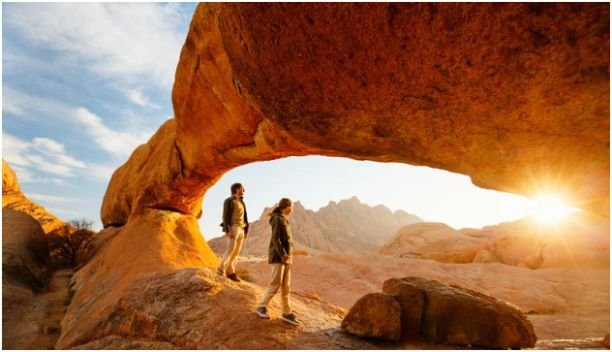
Namibia is all about shape and color. Sossusvlei gives you orange dunes, dead trees, hard shadows, and clean desert air. Sunrise is the hero because low light turns dunes into strong graphic lines.
Antelope Canyon in Arizona gives a completely different desert look. The smooth sandstone walls, narrow passages, and sudden shafts of light create abstract images that feel almost unreal. A tripod may be restricted depending on tour rules, so check before booking.
Salar de Uyuni in Bolivia is best when the salt flat becomes a giant mirror during the rainy season. The sky and ground blur into one surface, which is perfect for minimalist landscape photography.
Kaziranga and Sundarbans, India
Kaziranga brings grasslands, wetlands, water channels, and one-horned rhinoceros into the same frame. It has a prehistoric mood that works beautifully with mist and long lenses.
The Sundarbans offer mangroves, muddy waterways, birds, and the possibility of Bengal tiger habitat. The challenge is density. You may not always get clear wildlife views, but the atmosphere is strong.
Accessible Wildlife and Landscape Photography Destinations
Grand Teton and Yellowstone
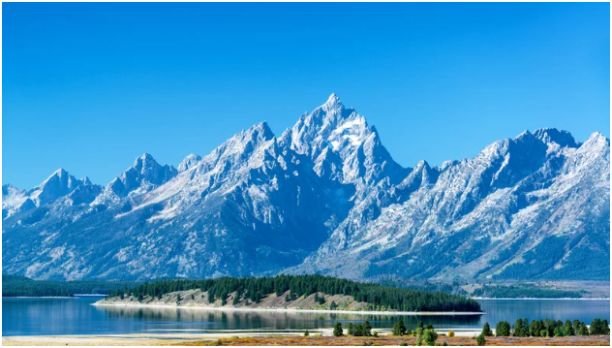
Grand Teton is one of the best US-accessible destinations for nature photography and landscape views. The Teton Range rises sharply behind flat valleys, rivers, and open wildlife habitat. Oxbow Bend, Antelope Flats, and nearby pullouts can deliver mountain backdrops with bison, elk, moose, or bears in the broader environment.
Yellowstone adds geysers, thermal basins, bison herds, wolves, bears, elk, and wide valleys. The key is safety. Use a telephoto lens, stay at legal distances, and never walk toward wildlife for a closer frame.
Galápagos, Kruger, and Chobe
The Galápagos Islands combine volcanic coastlines, turquoise water, lava rock, marine iguanas, giant tortoises, sea lions, and blue-footed boobies. Because many visitor sites use guided routes, boardwalks, and boats, the photography feels close without needing harsh hiking days.
Kruger National Park in South Africa is ideal for wildlife inside classic savannah landscapes. The road system makes it practical for self-drive or guided safari photography. Lions, elephants, rhinos, leopards, and buffalo can appear with trees, dust, golden grass, and dramatic skies.
Chobe National Park in Botswana is strongest from the river. Boat photography gives you lower angles on elephants, hippos, crocodiles, birds, and sunset reflections. A beanbag or monopod can help stabilize longer lenses.
Gear Tips for Nature Photography Trips
For wide scenes, pack a 14-24mm or similar ultra-wide lens. It works well in ice caves, slot canyons, salt flats, waterfalls, and tight coastal foregrounds.
A 24-70mm lens is the most flexible travel choice. It handles mountain scenes, road viewpoints, rivers, people-free landscapes, and quick framing changes.
A 70-200mm or 100-400mm lens matters for wildlife and mountain compression. I would not visit Grand Teton, Kruger, Galápagos, Chobe, or Kaziranga without a longer lens.
For accessible wildlife trips, bring a beanbag for vehicle windows. It is faster than a tripod and safer when animals move near roads or boats.
Final Take: Chase the Light, Not the Crowd
The best destinations for nature photography and landscape views are not always the hardest to reach. Patagonia, Iceland, New Zealand, the Dolomites, Namibia, Grand Teton, Galápagos, Kruger, Chobe, and Kaziranga all offer a different visual language.
My honest tip: choose the destination that matches your patience level. If you want easy wildlife access, pick Grand Teton, Kruger, Chobe, or Galápagos. If you want raw weather and cinematic landforms, pick Iceland, Patagonia, or New Zealand. If you want shape, shadow, and minimalism, choose Namibia, Antelope Canyon, or Salar de Uyuni.
Pack smart, protect the places you photograph, and stop chasing the same postcard angle as everyone else. The better frame is usually three steps sideways.
FAQs
1. What are the best destinations for nature photography and landscape views?
Iceland, Patagonia, New Zealand, Grand Teton, Kruger, Galápagos, Namibia, and the Dolomites are among the strongest choices.
2. Which nature photography destinations are easiest to access?
Grand Teton, Yellowstone, Kruger, Chobe, and the Galápagos offer strong views from roads, boats, boardwalks, or guided routes.
3. What lens is best for landscape and wildlife travel?
A 24-70mm is the best all-around lens, but add an ultra-wide for landscapes and a 100-400mm for wildlife.
4. Where should beginners go for landscape photography?
Iceland, Grand Teton, South Island New Zealand, and the Canadian Rockies are beginner-friendly because viewpoints are varied and accessible.