Travel memories often come from unexpected moments. A bowl of soup served at a crowded market, a sandwich eaten while standing on a busy sidewalk, or a carefully prepared tasting menu enjoyed over several hours can stay with people far longer than famous landmarks. Food has a unique way of connecting travelers to a place, turning an ordinary meal into a lasting memory.
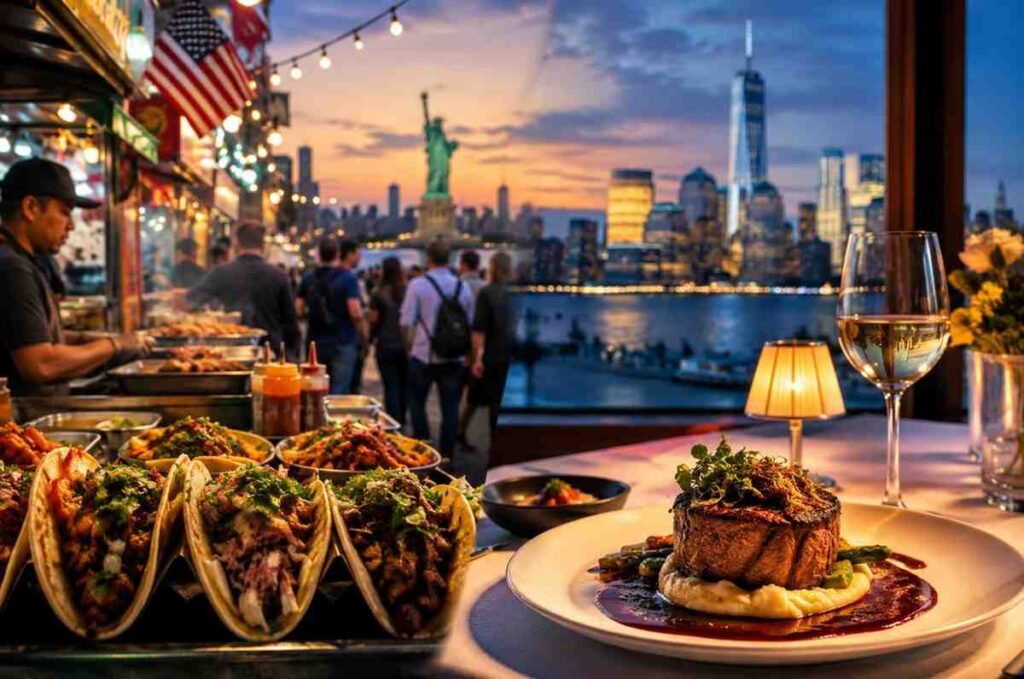
That is what makes unforgettable food experiences around the world so special. They are not defined by price or prestige. Some happen at bustling street markets filled with local flavors, while others take place inside elegant dining rooms where every detail has been carefully planned. Across the United States, food travelers can experience both ends of that spectrum while discovering the stories, traditions, and communities behind every bite.
Why Food Becomes One of the Strongest Travel Memories
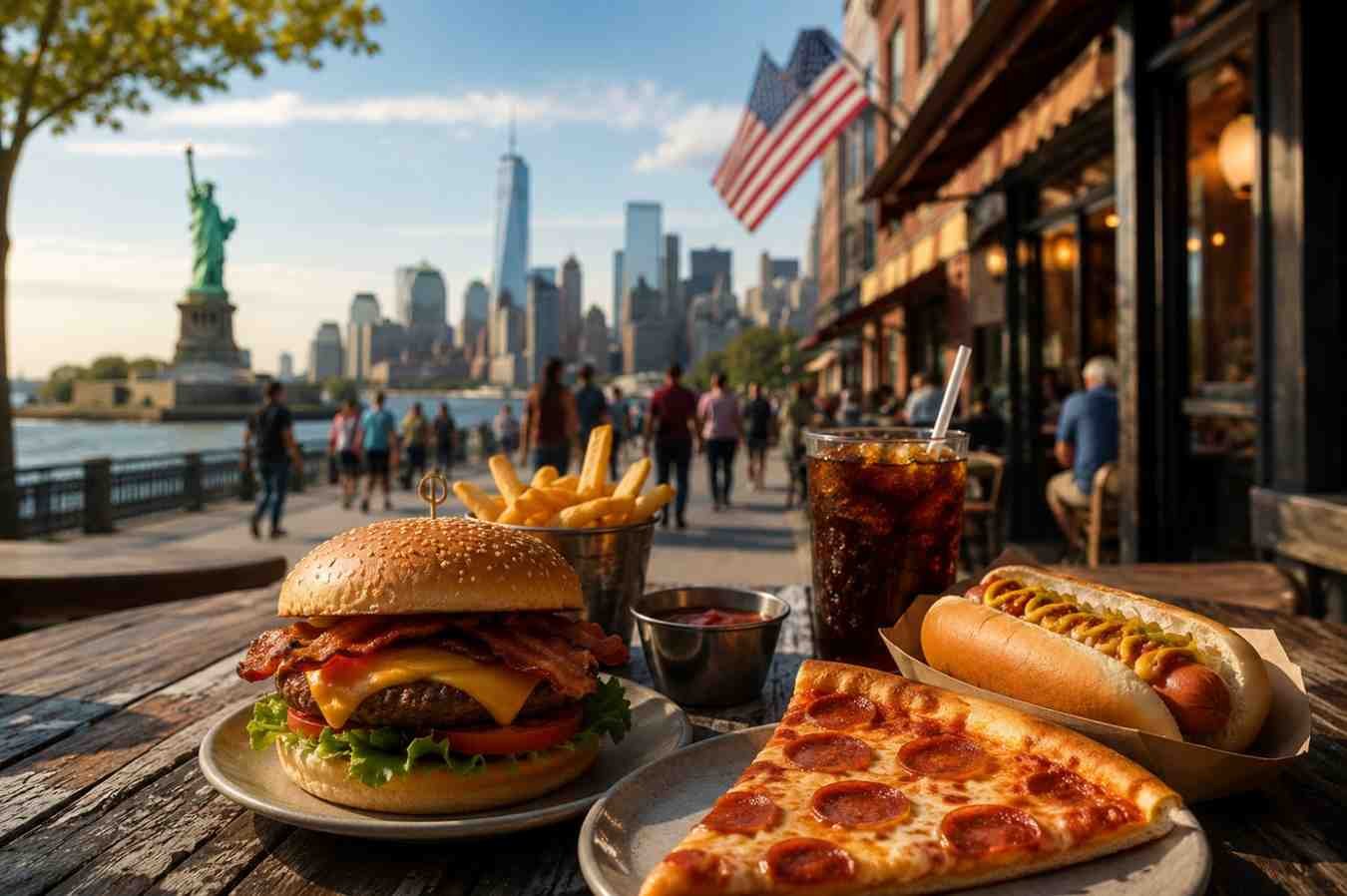
Food is one of the few travel experiences that engages every sense at once. The aroma of smoked meat drifting through a neighborhood, the sound of vendors calling out orders, and the taste of a dish prepared from a family recipe can instantly create a connection with a destination.
Unlike museums or attractions that visitors observe from a distance, food invites participation. It encourages conversations with locals, introduces regional cuisine, and reveals traditions that have often been passed down for generations. This is why food tourism continues to grow. Travelers are increasingly searching for authentic local food experiences rather than simply checking attractions off a list.
The Magic of Street Markets
When Local Flavor Meets Everyday Life
Some of the most unforgettable food experiences around the world happen in markets where residents shop, eat, and gather every day. These places offer a window into the local dining culture while showcasing fresh ingredients and regional specialties.
Seattle’s Pike Place Market remains one of the country’s most recognizable food destinations. Visitors can watch fishmongers toss fresh seafood while sampling Pacific Northwest favorites like Dungeness crab and rich clam chowder. The market captures the energy and character of the waterfront in a way few restaurants can.
On the opposite side of the country, Reading Terminal Market in Philadelphia brings together generations of food traditions under one roof. The combination of cheesesteaks, hand-rolled pretzels, and Pennsylvania Dutch specialties creates an experience that feels deeply connected to the city’s history.
Los Angeles offers another perspective through Grand Central Market. Open since 1917, the market reflects the city’s evolving identity, blending long-established vendors with newer culinary concepts. Every stall tells part of the story of the region’s diverse food culture.
In New Orleans, the French Quarter Market introduces travelers to Creole and Cajun flavors through quick bites, fresh seafood, and beloved local treats. The experience is about much more than eating. It is about being immersed in the sounds, smells, and rhythm of the neighborhood itself.
Regional Street Food And Food Truck Cultures
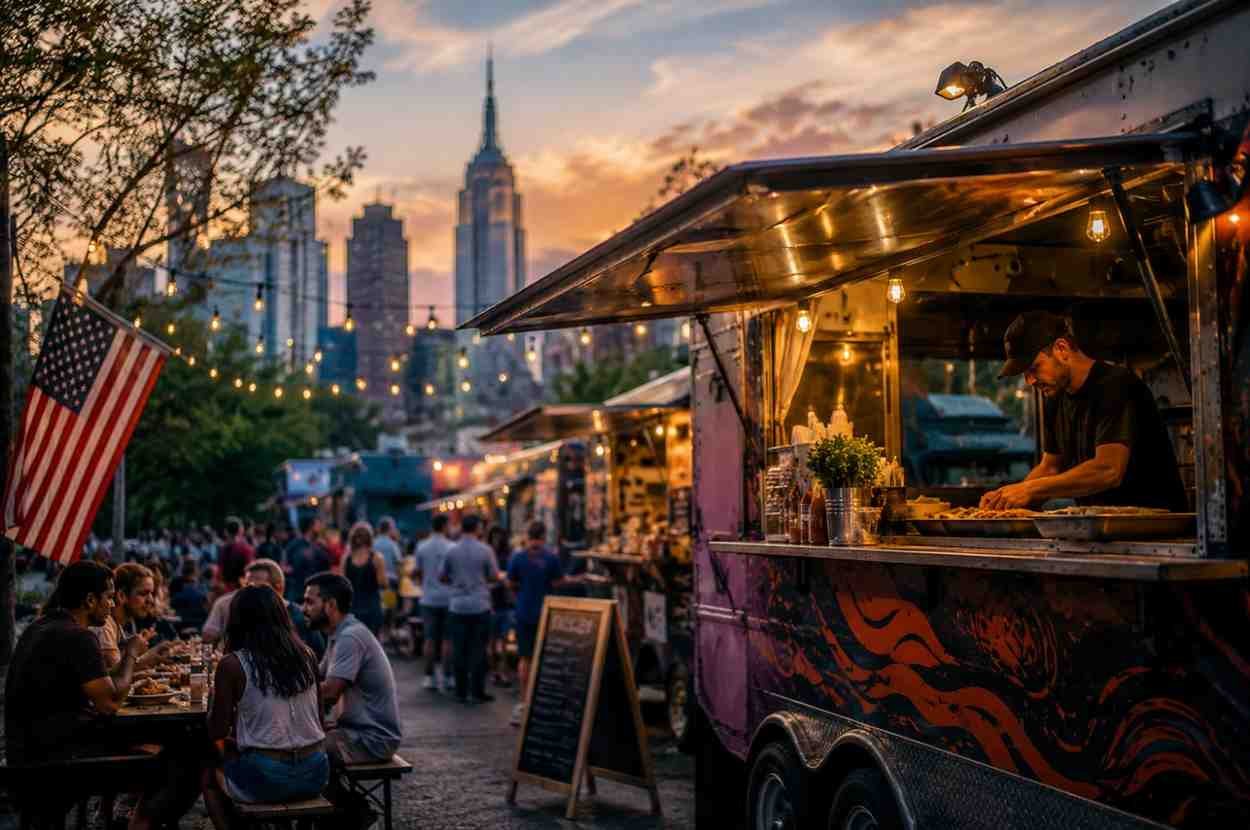
In many destinations, some of the best meals are served from food carts, trailers, and small sidewalk windows. These businesses often focus on a single specialty and spend years perfecting it.
Portland has become famous for organizing food carts into neighborhood pods where visitors can sample multiple cuisines in one outing. Within a few steps, travelers can move from international comfort food to innovative plant-based dishes, creating a culinary journey without leaving the block.
Austin’s food truck parks have earned a devoted following thanks to breakfast tacos, smoked brisket creations, and inventive fusion concepts. Many locals argue that some of the city’s most memorable meals come from trailers rather than traditional restaurants.
New York City’s street cart culture remains iconic. While hot dogs are often the first thing visitors think about, seasoned travelers know the real treasures include halal platters, knishes, and countless regional specialties served from small mobile kitchens.
Meanwhile, Miami’s ventanitas offer a different kind of experience. These walk-up windows serve strong Cuban coffee and pastries that encourage people to slow down, socialize, and enjoy a simple moment in the middle of a busy day.
Fine Dining That Feels Like More Than A Meal
The Rise Of Experience-Driven Restaurants
While street food delivers authenticity and spontaneity, fine dining creates memorable experiences through craftsmanship, storytelling, and creativity. The best restaurants transform dinner into something closer to a performance.
Chicago’s Alinea is known for pushing culinary boundaries. Each course combines presentation, texture, and surprise in ways that challenge traditional expectations of dining. Guests often leave talking about the experience as much as the food itself.
The French Laundry in California has become a destination for travelers seeking exceptional hospitality and precision. Every course reflects meticulous attention to detail, highlighting seasonal ingredients while maintaining a sense of balance and elegance.
Eleven Madison Park has gained international attention for reinventing luxury dining through a plant-based tasting menu. Its approach demonstrates how innovation continues to shape modern food culture.
SingleThread blends farm-to-table dining with Japanese hospitality traditions. The result is an immersive experience where ingredients, service, and atmosphere work together to create something unforgettable.
Deep-Dive Culinary Journeys Worth Taking
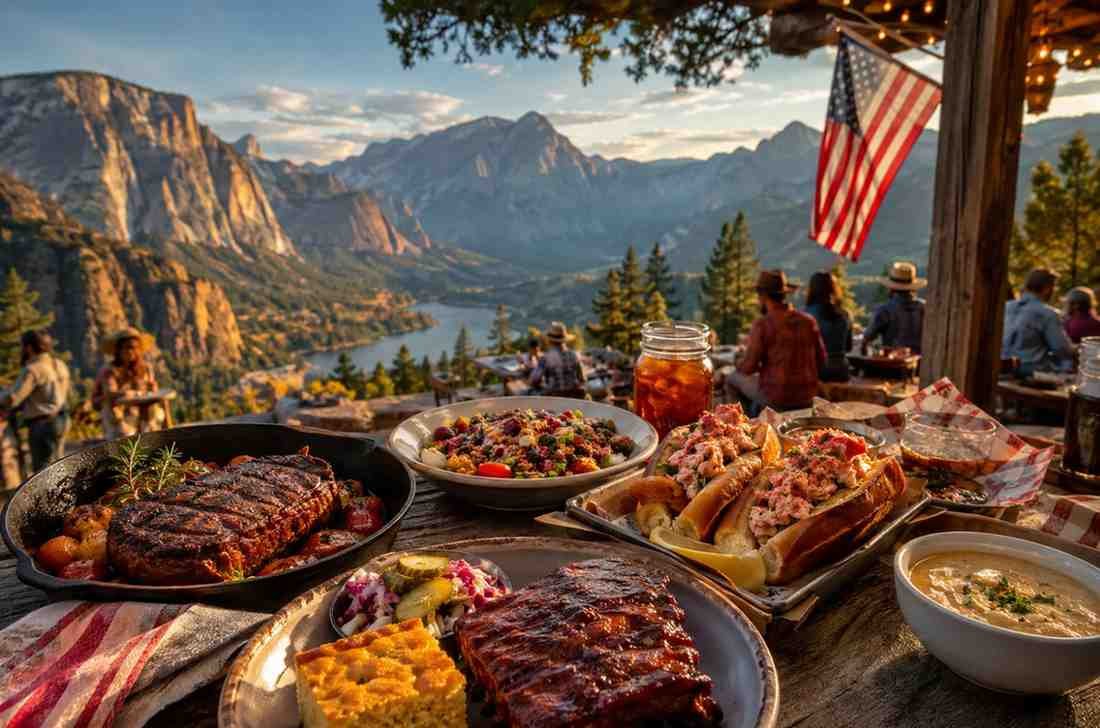
Some food travel experiences require visiting the place where a dish originated. These journeys offer a deeper understanding of the culture and history behind regional cuisine.
The Texas BBQ Belt remains one of the country’s most respected culinary pilgrimages. In towns like Lockhart and Austin, pitmasters spend countless hours smoking brisket over post oak wood. The simplicity of the final product reflects decades of tradition and expertise.
Charleston’s Lowcountry food scene offers another powerful connection between food and heritage. Dishes such as shrimp and grits, she-crab soup, and traditional boils tell the story of coastal communities and generations of culinary influence.
In New Mexico, food revolves around Hatch chiles. Visitors quickly learn the state’s famous question: red, green, or Christmas. The answer shapes everything from enchiladas to breakfast burritos and highlights how a single ingredient can define an entire regional food identity.
How To Find Truly Memorable Food Experiences
Finding authentic food travel experiences often requires looking beyond popular tourist recommendations.
- Visit busy local markets during peak hours.
- Follow long lines where residents are eating.
- Explore family-owned restaurants and neighborhood favorites.
- Ask locals about dishes unique to the region.
- Learn how to choose the best cafes for dinner when looking for smaller establishments with strong community connections.
The goal is not simply to find the most famous place. It is to discover the places people genuinely return to again and again.
Frequently Asked Questions: From Street Markets to Fine Dining: Unforgettable Food Experiences Around the World
1. What makes a food experience unforgettable?
A memorable food experience combines great flavors with cultural connection, atmosphere, storytelling, and a sense of place. The overall experience often matters as much as the meal itself.
2. Are street food experiences as valuable as fine dining experiences?
Absolutely. Many travelers consider street food vendors and local markets among the most authentic ways to experience regional cuisine and local culture.
3. Which cities are known for strong food tourism?
Cities such as New York, Chicago, New Orleans, Austin, Seattle, Los Angeles, and Miami are widely recognized for diverse and distinctive food scenes.
4. How can travelers find authentic local food?
Exploring neighborhood markets, asking residents for recommendations, visiting family-owned restaurants, and trying regional specialties are some of the best approaches.
Why The Best Meals Are Never Just About Food
The meals that stay with people for years are rarely remembered only for their ingredients. They are remembered because of the conversations shared across a table, the market vendor who explained a family recipe, the chef who celebrated local produce, or the neighborhood that welcomed visitors through its food. These moments create a connection that extends beyond dining and becomes part of the travel experience itself. That connection is what transforms a good meal into an unforgettable one.
Long after the trip ends, the flavors may fade slightly, but the stories behind them rarely do.