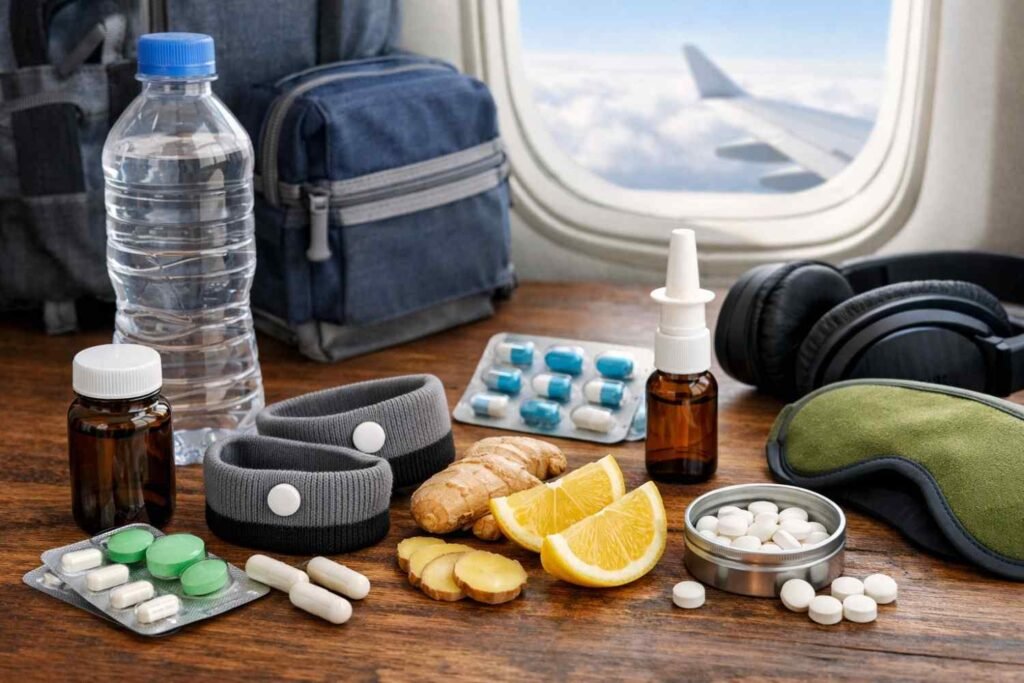
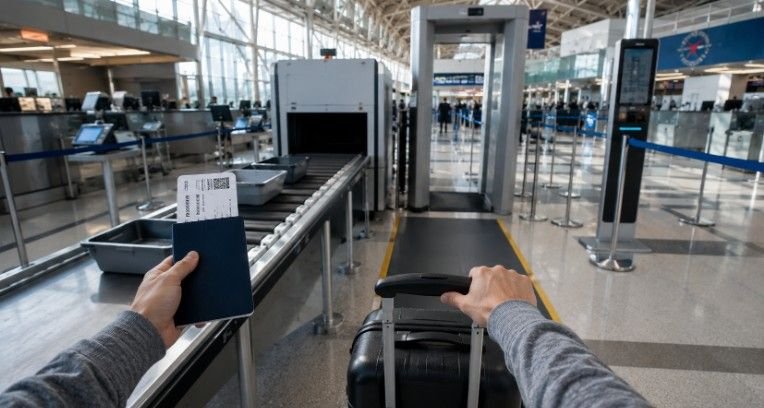
A first flight often brings a mix of excitement and nervous energy. Standing in a busy terminal, managing luggage, and wondering what happens next can feel overwhelming. Understanding airport security rules for first time flyers before your trip helps remove uncertainty and makes the entire airport experience smoother, faster, and far more enjoyable.
-
Key Takeaways
- Know your ID and boarding pass requirements before reaching security.
- Follow the TSA liquid rule to avoid delays and discarded items.
- Prepare electronics, shoes, and personal belongings before screening.
- Arrive early to reduce stress and handle unexpected situations.
- Stay comfortable, hydrated, and organized throughout your journey.
Understanding Airport Security Basics
Knowing the basics helps eliminate surprises before you even enter the checkpoint area.
Why Security Screening Exists
Airport security is designed to protect passengers, crew members, and flights. Security officers screen travelers and baggage to ensure prohibited items do not enter secure airport areas.
While the process may seem strict, it is intended to create a safer travel environment for everyone. Most passengers complete screening quickly when they arrive prepared.
Documents You Must Carry
Airport security requires a valid government-issued ID and a boarding pass. Domestic travelers generally use a driver’s license or REAL ID, while international travelers typically use a passport.
Before leaving home, double-check that your identification is valid and matches the name on your airline reservation. Even a small mismatch can create unnecessary delays.
Understanding REAL ID Requirements
Many airports now require a REAL ID-compliant driver’s license or another acceptable identification document. REAL IDs are usually marked with a star in the upper corner.
If you are unsure whether your identification meets current requirements, check before travel day rather than discovering an issue at the airport.
Airport Security Rules For First Time Flyers Step By Step
Understanding the process beforehand makes navigating security much easier.
Step 1: The Document Check
As you approach the security line, keep your boarding pass and identification ready in your hand. Searching through your bag at the last minute can slow down the process and increase stress.
Security officers will verify your identity and travel documents before allowing you to proceed toward the screening area. Follow instructions carefully and keep your documents accessible until requested.
Step 2: Preparing Your Carry-On Bags
Once you reach the conveyor belt area, begin preparing your belongings for screening. This is where organization pays off.
Make sure liquids are packed correctly according to TSA guidelines. Larger electronics such as laptops and tablets may need to be removed from your bag depending on the airport’s screening technology.
Step 3: Going Through Screening
After placing your belongings on the conveyor belt, you will move toward the body scanner or metal detector. Listen carefully to instructions from security personnel.
Most travelers complete this stage within a few minutes. Staying calm and following directions helps the process move efficiently.
The TSA Liquid Rule Made Easy
The liquid rule is one of the most important parts of airport security rules for first time flyers.
Understanding The 3-1-1 Rule
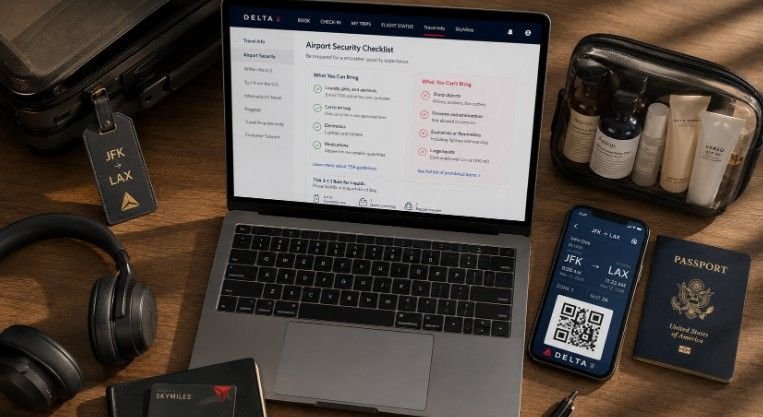
Liquids, gels, creams, and pastes carried through security must generally be in containers holding 3.4 ounces (100 milliliters) or less. All containers should fit inside one clear quart-sized zip-top bag. Common items affected by this rule include shampoo, toothpaste, sunscreen, lotion, liquid makeup, and hand sanitizer.
Smart Packing Strategies
Purchasing travel-size toiletries before your trip can save time and prevent frustration at security checkpoints. Another helpful strategy is placing your liquid bag near the top of your carry-on. This allows easy access if security officers ask to inspect it separately.
Avoiding Common Liquid Mistakes
Large bottles often cause delays and may need to be discarded before screening. Double-check every liquid item before packing. Many travelers forget about products like peanut butter, gels, and creams, which may also be subject to liquid restrictions.
Preparing For The Security Scanner
A little preparation before reaching the scanner can significantly speed up the process.
Empty Your Pockets Completely
Keys, coins, mobile phones, wallets, and other personal items should be removed from your pockets before screening. Placing these items directly into your carry-on bag or a screening bin reduces the chance of triggering additional checks.
Remove Jackets And Accessories
Heavy coats, jackets, belts, and certain accessories generally need to be removed before entering the scanner. Wearing simple travel clothing can make the process faster and more comfortable, especially during busy travel periods.
What About Shoes?
In many standard screening lanes, travelers are asked to remove shoes before walking through security screening equipment.
Some airports have advanced technology that allows passengers to keep shoes on, but it is always best to be prepared to remove them if requested.
Collecting Your Belongings After Screening
The process does not end once you step out of the scanner.
Grab Your Items Promptly

As your bins exit the X-ray machine, collect your belongings carefully and move away from the conveyor area. This helps maintain traffic flow and prevents congestion for other travelers waiting behind you.
Double-Check Everything
Before leaving the screening area, verify that you have your identification, boarding pass, wallet, phone, laptop, and any travel documents. Many airport items are accidentally left behind because travelers rush through this stage.
Repack In Designated Areas
Most airports provide a re-composure area where passengers can put shoes back on, reorganize bags, and prepare for the next part of their journey. Taking a few extra moments here can prevent problems later at the gate.
Common Travel Challenges And Easy Solutions
Even experienced travelers occasionally encounter unexpected situations.
Long Security Lines
Arriving at least two hours before domestic flights and three hours before international trips gives you flexibility if security lines become longer than expected. Some airports also provide live security wait-time information online, which can help with planning.
Forgotten Essentials
Creating a simple travel checklist before departure helps ensure important items are not left behind. Include identification, boarding documents, medications, chargers, and travel reservations on your list.
Managing Travel Stress
Airport environments can feel overwhelming, particularly for first-time flyers. Staying organized and allowing extra time reduces pressure significantly. Remember that airport staff assist nervous travelers every day and can answer questions if you need help.
Travel Health Tips For A Better Flight
Good travel habits contribute to a more comfortable journey.
Stay Hydrated
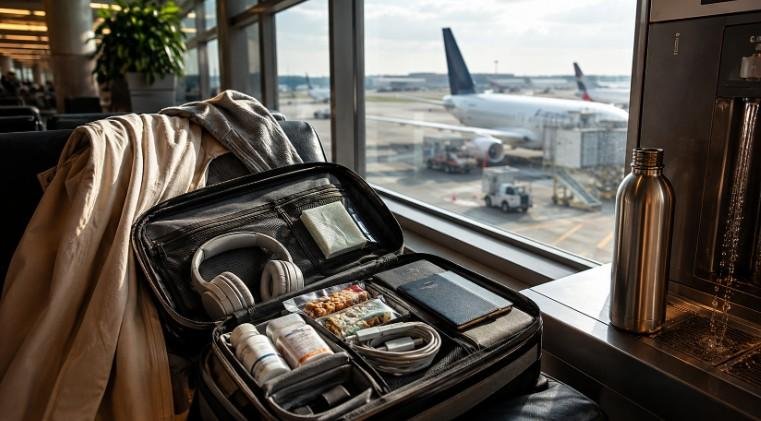
Air travel and airport environments can cause dehydration. Carry an empty reusable water bottle and refill it after passing through security. Drinking enough water helps reduce travel burnout and supports overall comfort.
Dress For Comfort
Comfortable clothing makes security screening easier and improves your experience during long flights. Loose-fitting layers work particularly well because airport temperatures can vary considerably.
Keep Important Items Accessible
Store medications, snacks, tissues, and essential travel items in an easily accessible section of your carry-on bag. Quick access to necessities can make your airport experience more convenient and less stressful.
Airport Security Rules In Real Life
The easiest way to follow airport security rules for first time flyers is to think one step ahead throughout your journey. Before leaving home, confirm your identification and boarding details. Before entering security, organize liquids and electronics. Before reaching the scanner, remove items from your pockets and prepare your belongings for inspection.
Most first-time flyers discover that airport security is much less intimidating once they understand the sequence. A little preparation, patience, and awareness make the process feel straightforward rather than stressful.
Frequently Asked Questions
1. What are the new airport rules for flyers?
Many airports now require REAL ID-compliant identification for domestic travel. Travelers should also follow current liquid restrictions, electronic screening procedures, and airline-specific baggage requirements before departure.
2. Why should you always order a ginger ale on a flight?
Many travelers prefer ginger ale because ginger may help reduce mild nausea, motion discomfort, and stomach sensitivity during flights. It is also a caffeine-free option that many passengers find refreshing.
3. Why not wear jeans on a plane?
Tight jeans can become uncomfortable during long periods of sitting. Flexible, breathable clothing generally allows better circulation and provides greater comfort throughout the flight experience.
4. What to do when you get to the airport first time flying?
Check in with your airline, verify your gate information, prepare your identification and boarding pass, proceed through security, and allow enough time to navigate the airport without feeling rushed.
Ready To Fly With Confidence?
Learning airport security rules for first time flyers is one of the smartest ways to reduce travel stress and enjoy a smoother airport experience. From carrying the correct identification and following the liquid rule to understanding security screening and travel planning basics, preparation makes all the difference. With these tips in mind, you can navigate the airport confidently, avoid common mistakes, and focus on the exciting adventure waiting at your destination.