
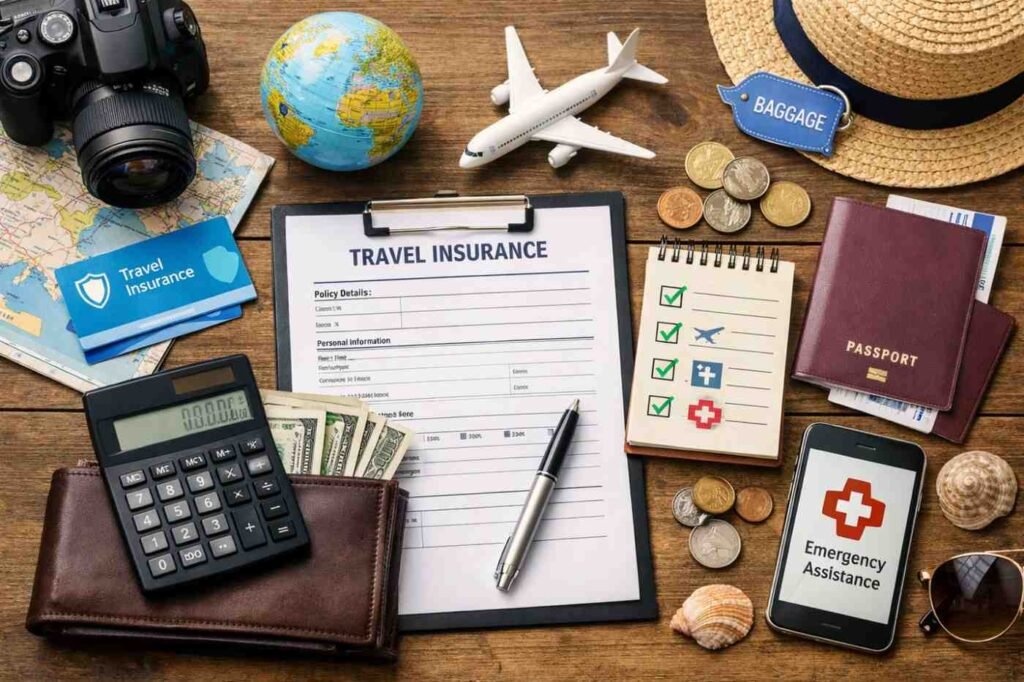
Travel insurance can feel like a small checkout add-on until a flight gets canceled, a suitcase disappears, or a medical bill lands in your lap overseas. I never think US travelers should buy a policy blindly and hope for the best. These travel tips for using travel insurance can help you avoid denied claims and protect your prepaid vacation costs.
What Should Travel Insurance Cover Before You Buy It?
A strong travel insurance policy should match your real trip, not just the cheapest price at checkout. Most plans may include trip cancellation, trip interruption, travel delay coverage, lost baggage insurance, emergency medical coverage, and emergency evacuation. Still, every policy has different limits, exclusions, and covered reasons.
Add up every nonrefundable cost, including flights, hotels, cruises, tours, resort deposits, and prepaid transportation. This matters for Cancel For Any Reason coverage, or CFAR, because many plans require you to insure the full prepaid, nonrefundable trip cost.
If your trip includes scuba diving, skiing, hiking, or other adventure activities, confirm they are covered. Also review exclusions for geopolitical events, transit strikes, extreme weather, alcohol-related incidents, unattended baggage, and high-value items.
When Is the Best Time to Buy Travel Insurance?

The best time to buy travel insurance is right after booking your trip or making your first major deposit. Waiting can limit benefits such as CFAR coverage and pre-existing medical condition waivers.
If a hurricane is already named, a strike is announced, or a medical issue is already known, a new policy usually will not cover it. Also check that your full legal name on the insurance certificate matches your passport, ticket, and government ID.
How Do I Prepare My Policy Before I Leave?
Before I travel, I save my policy on my phone, in my email, and as a printed copy in my carry-on. You should also save the insurer’s global 24/7 assistance hotline, policy number, claim portal, emergency medical phone number, and customer support email.
Read the fine print before the trip begins. Focus on cancellation rules, baggage limits, medical coverage, emergency evacuation, rental car coverage, and claim deadlines. If you have a pre-existing medical condition, disclose your medical history fully and confirm whether the plan offers a waiver.
Create one digital folder for booking confirmations, payment records, hotel invoices, tour vouchers, cruise documents, airline emails, and receipts. These travel tips for using travel insurance work best when your proof is ready before trouble starts.
What Should I Do During Flight Delays or Cancellations?
When a flight gets delayed or canceled, contact the airline first. In the US, refund rights and passenger services depend on the situation and whether you accept rebooking. Travel insurance may help with eligible extra costs the airline does not cover.
If your policy includes travel delay coverage, check how many hours must pass before benefits apply. Some plans may start after six hours, while others require longer delays. Ask the airline for a formal delay report or written confirmation if your flight crosses the required window.
Keep every receipt for emergency meals, hotel stays, rideshares, chargers, toiletries, and other reasonable expenses. Claim adjusters need clean proof, not vague explanations.
How Can Travel Insurance Help With Lost or Delayed Bags?

If your checked bag does not arrive, report it before leaving the airport. Ask the airline for a written baggage report and file reference number. If theft occurs, try to get a local police report within 24 hours because many insurers require official documentation.
Photograph your luggage before checking it, including the suitcase, baggage tag, packed contents, and high-value items. Delayed baggage coverage may reimburse essentials like toiletries, clothing, and chargers. Lost baggage coverage may pay if the airline declares the bag lost, but per-item limits usually apply. Keep medication, passports, laptops, jewelry, and irreplaceable items in your carry-on.
How Should I Use Travel Insurance for Medical Emergencies Abroad?
Emergency medical coverage can be one of the most valuable parts of a travel insurance policy when you leave the US. Your regular health insurance may not work the same way overseas.
If you face a serious medical issue, call the insurer’s 24/7 hotline as soon as possible. For non-urgent hospital procedures or major medical costs, request pre-approval before committing to treatment when it is safe to do so.
Keep doctor notes, hospital bills, prescriptions, diagnosis records, discharge papers, and payment receipts. If it is a true emergency, get care first and contact the insurer as soon as possible.
How Do I File a Travel Insurance Claim Successfully?
A successful travel insurance claim tells a clear story. Submit forms inside the required deadline, often between 20 and 90 days after the incident, depending on the policy. Do not wait until receipts disappear or details become unclear.
Upload clean digital copies through the insurer’s claim portal. Include receipts, cancellation emails, airline reports, baggage reports, police reports, medical records, refund confirmations, credit card statements, and proof of your original trip cost. I also suggest writing a short timeline explaining what happened, when it happened, who you contacted, and what you paid.
What Common Travel Insurance Mistakes Should I Avoid?

The biggest mistake is assuming every inconvenience is covered. Most policies cover only the events listed in the documents.
Changing your mind, missing a flight because you overslept, or canceling for a non-covered reason may not qualify unless you bought the right upgrade. Also, do not rely only on credit card travel insurance without checking limits, especially for emergency medical coverage and emergency care costs.
Frequently Asked Questions (FAQs)
1. What is the first thing I should do after buying travel insurance?
Save your policy documents, claim portal, policy number, and 24/7 assistance hotline on your phone and email.
2. Does travel insurance cover every canceled trip?
No. Standard trip cancellation insurance usually covers only listed reasons. CFAR coverage offers more flexibility but has strict rules.
3. Should I call travel insurance before going to a hospital abroad?
Yes, when it is safe and practical. Calling first can help with pre-approval, hospital guidance, and claim documents.
4. What documents help a travel insurance claim get approved?
Receipts, airline reports, baggage reports, police reports, medical records, cancellation emails, refund proof, and a clear timeline can help.
Final Thoughts
The best travel tips for using travel insurance come down to buying early, matching coverage to your trip, saving emergency numbers, documenting every problem, and contacting your insurer before major decisions when possible. A policy cannot prevent travel problems, but it can protect your money when you know exactly how to use it, just like smart planning with budget travel tips for families can help reduce avoidable travel costs.