Nothing ruins my travel mood faster than a mystery sandwich becoming a bathroom detour. These food safety tips while traveling are the habits I use to enjoy street snacks, hotel breakfasts, and road trip bites without turning my itinerary into a pharmacy hunt. A little caution keeps the food fun, the plans moving, and the camera roll happily full every day.
Key Takeaways
- Choose hot, freshly cooked food.
- Drink sealed or safely treated water.
- Peel fruit yourself.
- Keep perishables cold.
- Wash or sanitize hands before eating.
Why These Tips Save The Trip
Food safety tips while traveling matter because vacations are too short for stomach drama. One risky salad, warm buffet tray, or sketchy ice cube can steal your museum day, beach nap, or sunrise hike.
Think of safe eating as travel insurance with better snacks. You still taste local flavors, just with sharper choices, cleaner hands, and fewer “why did I eat that?” regrets.
How To Use Food Safety Tips While Traveling
Safe eating gets easier when you follow a simple order before every meal: look, choose, drink, clean, then enjoy.
Follow The Golden Rule
The classic travel rule still works beautifully: boil it, cook it, peel it, or leave it. Choose food served hot, fruit with a thick peel you remove yourself, and drinks from sealed bottles or steaming cups.
This rule helps at markets, airports, hostels, roadside cafés, cruises, and family road trips. It is not about avoiding local food, but choosing food handled safely.
Check Before You Order
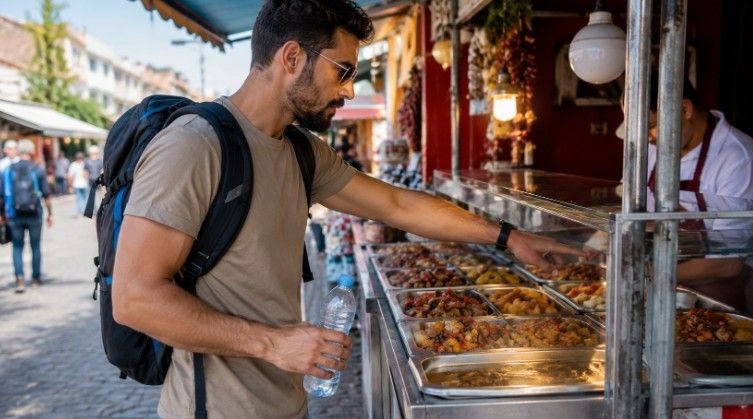
Scan the place like a food detective. Clean counters, covered ingredients, busy turnover, separate money handling, and fresh cooking are good signs.
Flies, lukewarm trays, uncovered sauces, messy prep areas, strong-smelling seafood, undercooked meat, or rice sitting in heat are reasons to walk away.
Time Your Meals Smartly
Eat cooked meals soon after they arrive, and avoid leftovers unless they were chilled quickly and reheated until steaming hot.
For packed food, remember the two-hour rule. Perishable items should not sit at room temperature for more than two hours, or one hour in very hot weather.
Dining Out And Street Food
Restaurant meals and food stalls can be trip highlights when you know how to choose them wisely.
Stick To Cooked Food
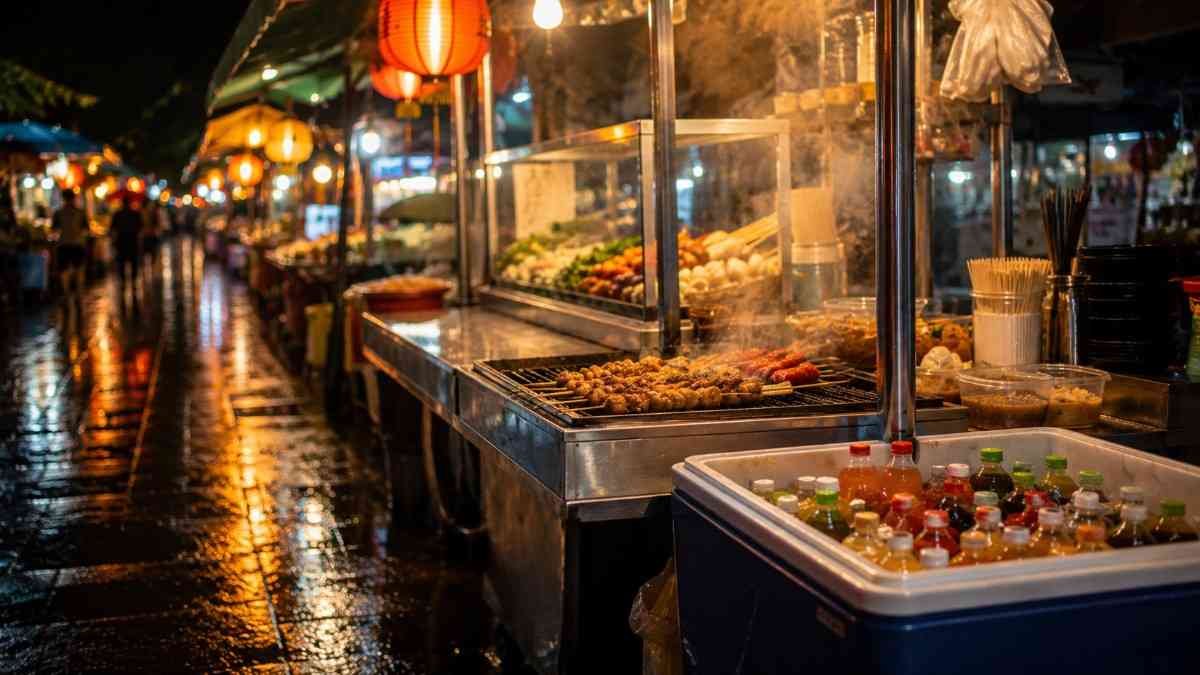
Fully cooked meals served hot are usually safer. Pick grilled skewers, steamed chicken dumplings, hot soups, fresh stir-fries, baked dishes, or fried snacks made after you order.
Be careful with raw or undercooked meat, fish, shellfish, eggs, and creamy sauces. These foods can carry germs if poorly stored, cooked, or handled.
Skip Risky Raw Produce
Raw salads and fresh vegetables may look healthy, but they can be washed with unsafe water. The same risk applies to herbs, garnishes, salsa, and chutneys left uncovered.
Choose cooked vegetables, or eat fruits with thick, intact peels such as bananas, oranges, and avocados. Peel them yourself with clean hands or utensils.
Pick Hot Street Stalls
Street food is often amazing, but choose vendors with fast turnover and food cooked to order. Hot, sizzling, steaming food is your best friend.
Avoid trays in sun, meat half-cooked for later, seafood without ice, and sauces shared by many hands. A short line of locals is often a useful clue.
Water And Beverages
Beware The Tap
In some regions, tap water is fine. In others, it can cause traveler’s diarrhea even if locals drink it daily. Use sealed bottled water, boiled water, or filtered water when unsure.
Break the bottle seal yourself. Use safe water for drinking, mixing baby formula, taking medicine, rinsing fruit, and brushing your teeth.
Skip The Ice
Ice can be sneaky because it often comes from local tap water. That means iced coffee, smoothies, cocktails, lemonade, and fountain drinks may carry the same risk.
Choose unopened canned drinks, carbonated beverages, sealed bottled drinks, or steaming hot coffee and tea. A cold drink is lovely, but a safe drink is better.
Shower With Care
This sounds funny until it matters: keep your mouth closed in the shower when water safety is uncertain. Tiny accidental swallows can still irritate a sensitive stomach.
For kids, pack extra bottled water for brushing teeth and rinsing toothbrushes. Small routines like this make family travel smoother and safer.
Packing And Snacking
Keep Cold Food Cold
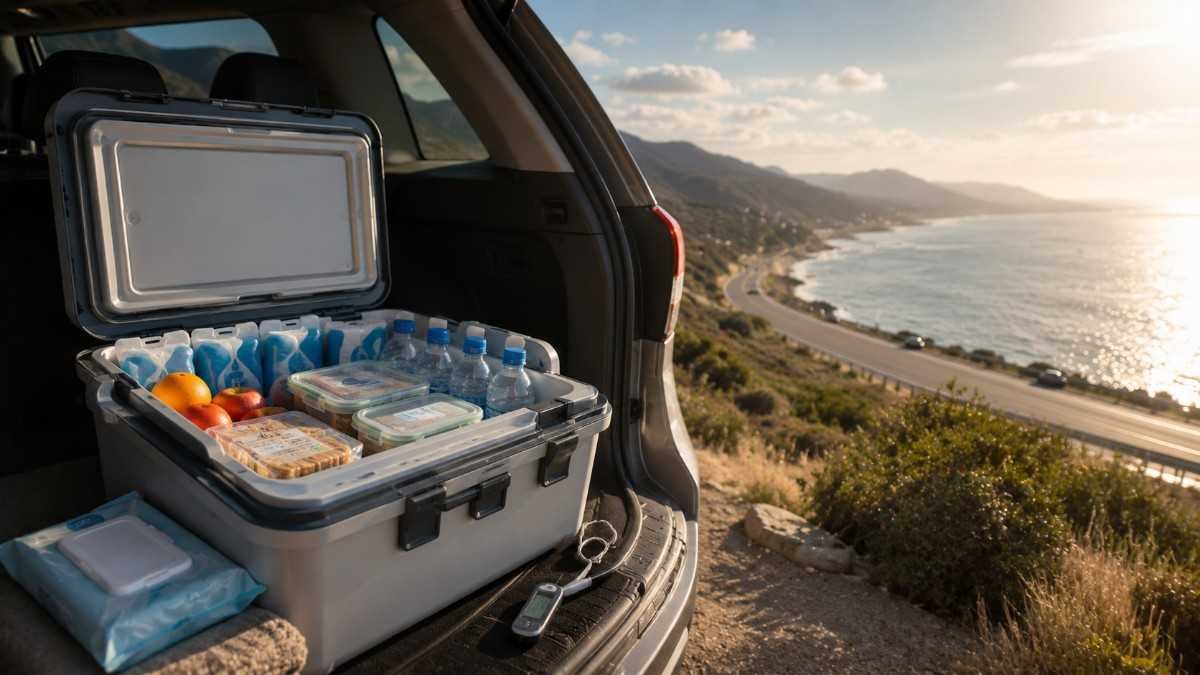
For road trips, pack perishable food in a cooler at or below 40°F with plenty of ice or frozen gel packs. Keep the cooler inside the air-conditioned car, not in the trunk.
Separate raw and ready-to-eat foods, wrap everything tightly, and open the cooler only when needed. If food warms up too long, throw it out.
Carry Smart Snacks
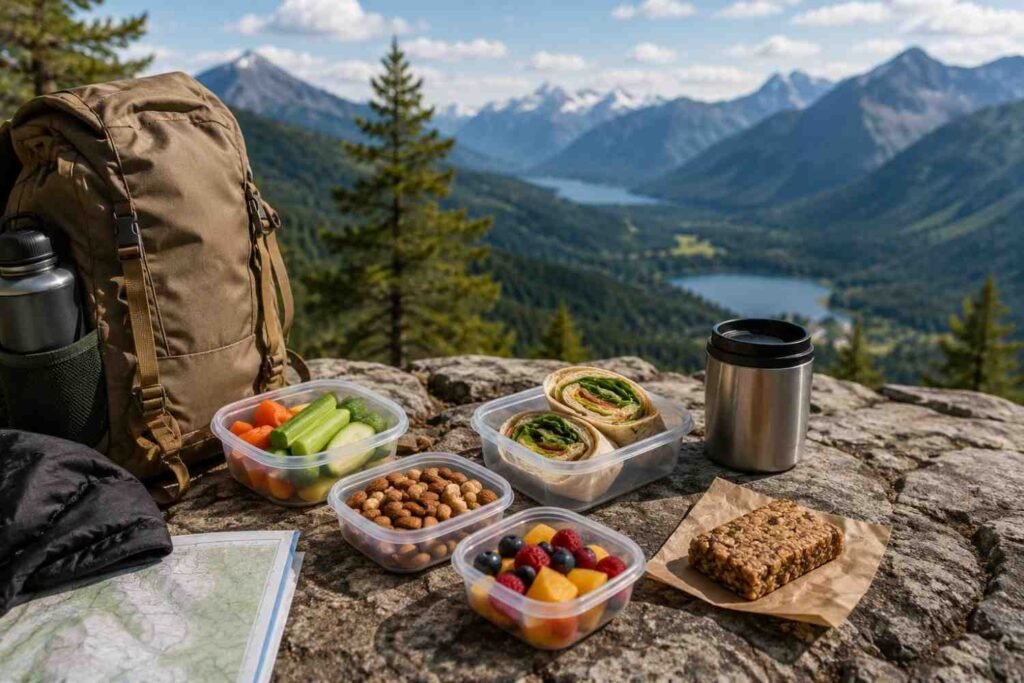
Pack non-perishable snacks that are easy on the stomach, such as granola bars, trail mix, whole grain crackers, roasted chickpeas, nuts, sealed applesauce, and whole fruit. These backups help during flight delays, long rides, closed restaurants, and late check-ins.
Sanitize Before Bites
Wash hands with soap and water for 20 seconds before eating whenever possible. If there is no sink, use hand sanitizer with at least 60% alcohol. Sanitize after touching menus, phones, cash, railings, animals, rental bikes, and public transport handles.
Travel Health And Planning
Know Your Destination
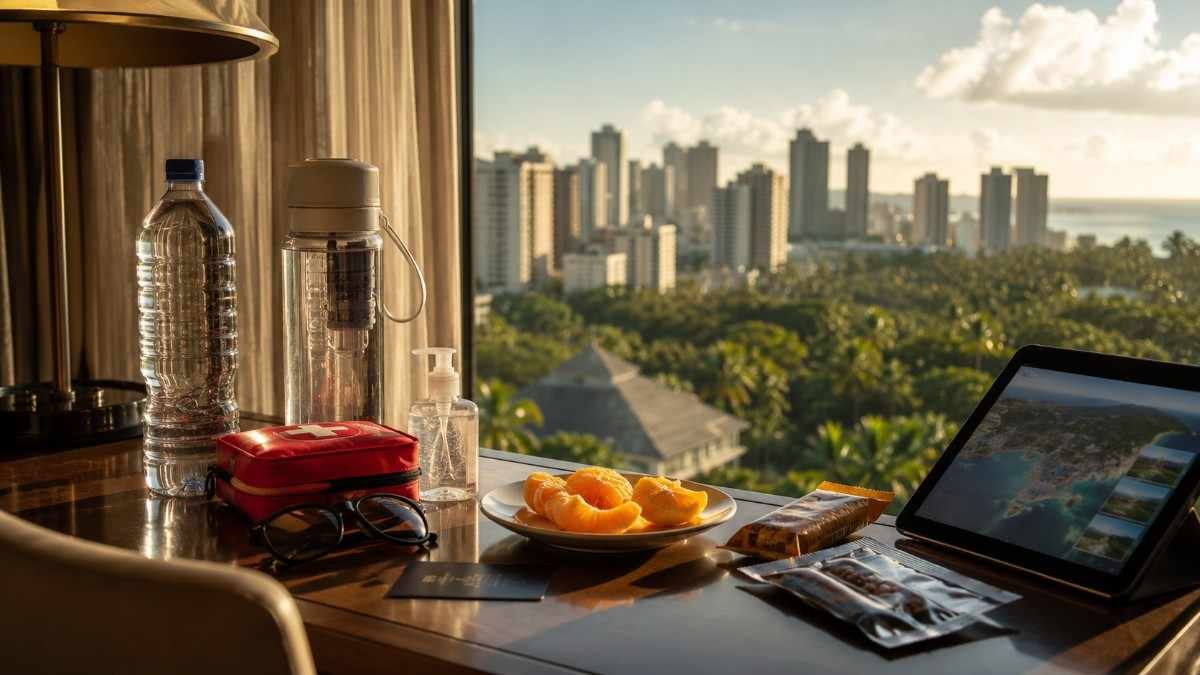
Before leaving, check destination food and water advice, local health risks, and clinic access near your stay.
Save trusted restaurants near your hotel, airport, and attractions. Hungry, tired travelers rush, so having safe options ready is a smart planning move.
Protect Sensitive Travelers
Pregnant travelers, older adults, young children, and people with weak immune systems should be extra careful with raw seafood, unpasteurized dairy, deli meats, runny eggs, and buffet foods.
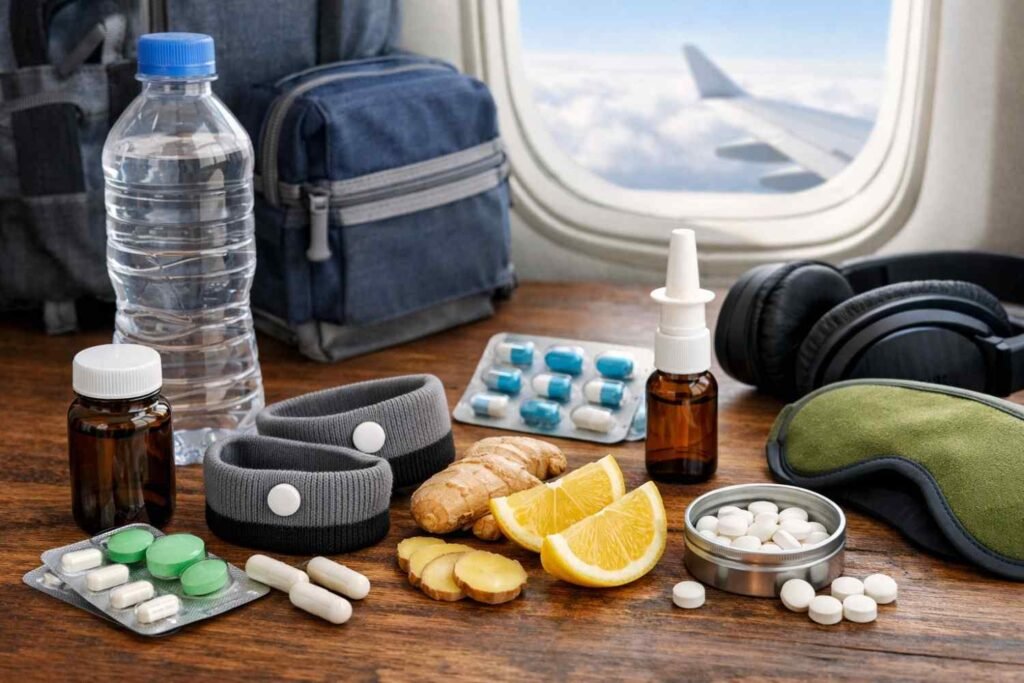
Pack familiar snacks and hydration support for sensitive stomachs. Start slowly with spicy or unfamiliar foods, especially on the first day.
Handle Sickness Fast
If stomach trouble hits, focus on hydration first. Sip safe water, oral rehydration solution, broth, or electrolyte drinks, and rest away from heavy meals. Get medical help for blood in stool, high fever, dehydration, repeated vomiting, or symptoms that continue.
Frequently Asked Questions
1. What Is The 2 2 4 Rule For Food Safety?
The 2 2 4 rule means food under two hours can be refrigerated, two to four hours should be eaten soon, and over four hours should be discarded.
2. How To Keep Food Safe While Traveling?
Keep hot foods hot, cold foods cold, drink sealed water, avoid risky raw items, sanitize hands often, and pack stable snacks for delays or long transfers.
3. What Are The 5 Most Important Things You Should Do Before Traveling?
Research food and water safety, pack medicines and snacks, check health advice, save trusted restaurants, and prepare hydration support before your travel day begins.
How To Not Get Food Poisoning When Traveling?
Use food safety tips while traveling daily: choose hot cooked meals, peel fruit yourself, avoid unsafe ice, skip lukewarm buffets, and wash or sanitize hands.
Final Bite: Keep The Adventure Delicious
Food safety tips while traveling help you eat boldly without being reckless. Choose cooked, hot food, safe water, clean hands, smart snacks, and trusted vendors so every meal supports the adventure. Your best travel stories should involve flavors, markets, and sunsets, not emergency bathroom maps or missed tours.