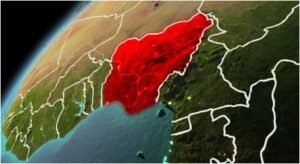

The best wildlife trips stay with you because they feel alive from the first morning. You hear branches crack before you see the elephant. You spot a flash of orange in tall grass. You watch a tortoise move like time forgot to hurry.
For me, the best wildlife destinations for travelers who love nature and animals are not just places with famous species. They are places where animals still shape the landscape. Tanzania, Costa Rica, the Galápagos, India, Borneo, Brazil, Botswana, Rwanda, Sri Lanka, Antarctica, and Canada all offer that rare feeling.
How I Choose Wildlife Trips That Feel Worth the Flight
A good wildlife vacation should not feel like a zoo with better scenery. It should feel patient, respectful, and a little unpredictable. That is where the magic lives.
My Wildlife-First Filter
Before I recommend any destination, I look at five things. Can you see animals in the wild? Is the habitat protected? Are guides trained to keep distance? Is the season realistic for sightings? Does tourism support conservation or local communities?
That filter helps separate true wildlife destinations for travelers who love nature and animals from trips that only look good in ads. Close-up encounters are exciting, but ethical distance matters more. I would rather watch a tiger from a quiet jeep than chase one for a photo.
Africa: Big Game, Wetlands, and Gorilla Forests
Africa remains the classic choice for wildlife travel because the scale feels unreal. The landscapes are huge, the animal movement is dramatic, and every drive can change in seconds.
Serengeti National Park, Tanzania
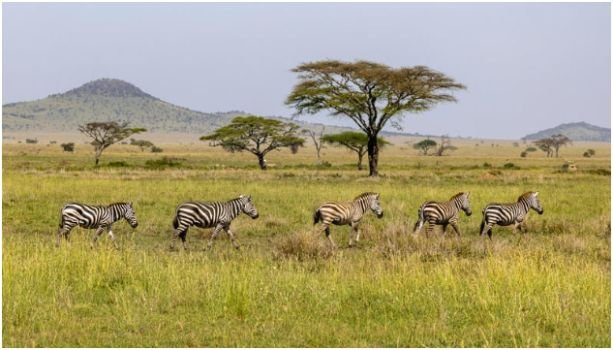
Serengeti National Park is one of the strongest choices for first-time safari travelers. The annual Great Migration moves massive herds of wildebeest, zebra, and gazelle across the ecosystem. Predators follow the herds, which creates powerful sightings without needing staged encounters.
The best time for many US travelers is June to October, especially for dry-season game viewing. If you want calving season and predator action, January to March can also be rewarding in the southern Serengeti.
Maasai Mara, Kenya
The Maasai Mara pairs well with the Serengeti because the ecosystem continues across the Tanzania-Kenya border. It is especially strong for big cats. Lions, leopards, and cheetahs are often the headline, but the open savannah is part of the experience too.
I like the Mara for travelers who want high-impact sightings in a shorter trip. It works well when vacation time is limited but expectations are high.
Okavango Delta, Botswana
The Okavango Delta feels different from a standard jeep safari. Water changes everything. You can explore by traditional mokoro canoe, boat, and vehicle, depending on the lodge and season.
This wetland is excellent for elephants, hippos, birds, and wild dogs. It is quieter than many famous safari routes, which makes it ideal for travelers who want luxury, space, and slower wildlife watching.
Volcanoes National Park, Rwanda
Volcanoes National Park is best known for mountain gorilla trekking. This is not a casual safari. It is a physical, emotional, and tightly managed experience.
Treks are guided, permits are limited, and time with gorillas is controlled. That structure protects the animals and keeps the encounter intimate. For many nature lovers, standing near a wild gorilla family becomes the trip they compare every future trip against.
The Americas: Rainforests, Islands, and Jaguar Waters
The Americas offer a different kind of wildlife experience. Instead of wide-open savannah, you often search forests, rivers, beaches, and islands.
Osa Peninsula, Costa Rica
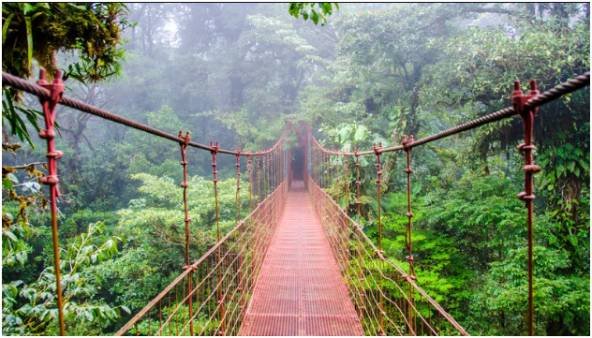
Costa Rica’s Osa Peninsula is one of my favorite examples of a wildlife trip that does not need huge distances to feel wild. Corcovado National Park protects rainforest, beaches, rivers, and mangroves in one compact region.
This is a strong choice for sloths, howler monkeys, scarlet macaws, tapirs, toucans, frogs, and nesting sea turtles. It also suits travelers who want eco-lodges instead of large resorts.
If your camera matters as much as your binoculars, pair Osa with destinations for nature photography and landscape views so the trip balances wildlife, scenery, and golden-hour landscapes.
Galápagos Islands, Ecuador
The Galápagos Islands are not about chasing animals. They are about entering a place where wildlife seems almost unafraid of you. Giant tortoises, marine iguanas, blue-footed boobies, sea lions, and penguins make the islands feel like a living science lesson.
Expedition cruises work well for travelers who want to see several islands efficiently. Land-based trips can be easier on the budget, but they may limit range. The Galápagos can work year-round, though sea conditions, water temperature, and breeding cycles change the experience.
The Pantanal, Brazil
If jaguars are your dream, the Pantanal deserves serious attention. This vast tropical wetland offers better visibility than the Amazon because wildlife often gathers along rivers and open floodplains.
The northern Pantanal, especially around Porto Jofre, is famous for jaguar tracking by boat. Giant river otters, caimans, hyacinth macaws, capybaras, and jabiru storks add depth to the trip. July to October is often a strong window for wildlife viewing.
Asia: Tigers, Rhinos, Orangutans, and Leopards
Asia rewards travelers who enjoy suspense. Forests can be dense, sightings may take patience, and the best moments often feel earned.
India’s Tiger and Rhino Parks
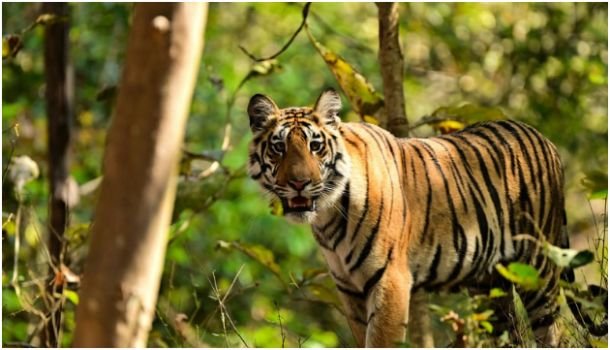
India is one of the best wildlife destinations for travelers who love nature and animals because it offers several iconic species across different habitats. Ranthambore is popular for Bengal tiger sightings and dramatic fort landscapes. Kanha feels wilder and greener, with strong tiger and deer habitat.
Kaziranga National Park in Assam is the place to consider for the Indian one-horned rhinoceros. It also supports elephants, wild water buffalo, tigers, and rich birdlife. November to April is usually the best window for many Indian parks.
Sabah, Borneo
Sabah in Malaysian Borneo is ideal for travelers who want rainforest wildlife. Orangutans are the emotional headline, but the supporting cast is just as memorable. Proboscis monkeys, hornbills, pygmy elephants, crocodiles, and gibbons all create a layered jungle experience.
The Kinabatangan River is a smart base for boat safaris. Sepilok is useful for travelers who want a conservation-focused orangutan experience with easier access.
Yala and Wilpattu, Sri Lanka
Sri Lanka gives travelers a compact wildlife route with big rewards. Yala is known for leopard sightings, while Wilpattu feels quieter and more spread out. Asian elephants, sloth bears, crocodiles, peacocks, and water birds add variety.
This is a good option when you want wildlife, culture, coast, and food in one trip without flying between countries.
Polar Wildlife Trips for Once-in-a-Lifetime Encounters
Polar trips cost more and take planning, but they offer scenes you cannot copy anywhere else.
Antarctica
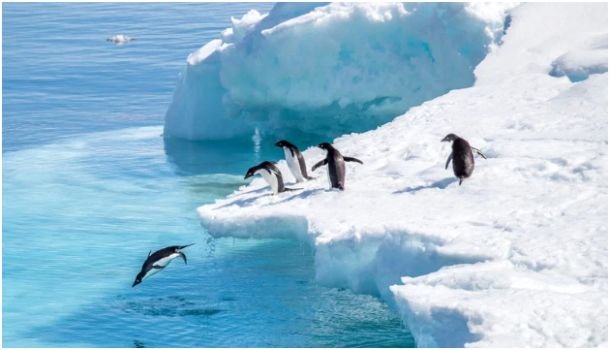
Antarctica is the ultimate frontier for penguins, whales, seals, and ice. Travelers often see gentoo, chinstrap, and Adélie penguins, along with humpback whales and leopard seals.
This trip works best for travelers who value silence, scale, and expedition-style travel. It is not casual, but it is unforgettable.
Churchill, Canada
Churchill, Manitoba is widely known for polar bear viewing. The key season is usually fall, when bears gather near Hudson Bay while waiting for sea ice to form.
Tundra vehicles allow safer viewing, and guided tours help reduce risk for both people and bears. For US travelers who want Arctic wildlife without crossing the world, Churchill is one of the most practical options.
Quick Comparison: Match the Destination to Your Travel Style
| Destination | Primary Wildlife Highlight | Best Time to Visit | Best Travel Style |
| Tanzania | Wildebeest migration and Big Five | June to October | Classic jeep safari |
| Costa Rica | Sloths, frogs, monkeys, turtles | December to April | Rainforest eco-lodges |
| Galápagos | Tortoises and marine iguanas | Year-round | Expedition cruise |
| India | Bengal tigers and one-horned rhinos | November to April | Jungle lodges |
| Borneo | Orangutans and proboscis monkeys | March to October | River cruises and trekking |
| Brazil | Jaguars and giant river otters | July to October | Boat-based wetland safari |
| Canada | Polar bears | October to November | Tundra vehicle tour |
| Antarctica | Penguins, whales, and seals | November to March | Expedition cruise |
How to Plan an Ethical Wildlife Vacation
The best wildlife destinations for travelers who love nature and animals deserve more than a checklist mentality. Choose operators who publish animal welfare rules, hire local guides, and avoid feeding or baiting wildlife.
Keep distance, even when animals appear calm. Use binoculars and zoom lenses instead of stepping closer. Never ask a guide to bend rules for a photo. The best guides will say no before the animal has to.
Pack neutral clothing, reef-safe sunscreen for marine trips, quiet shoes, and patience. Wildlife does not run on your itinerary. That is the point.
FAQs
1. What are the best wildlife destinations for first-time safari travelers?
Tanzania, Kenya, Botswana, and South Africa are strong first safari choices because they offer good guide networks, lodges, and reliable wildlife routes.
2. Where can I see wild animals ethically?
Choose protected parks, certified guides, small-group tours, and operators that ban feeding, touching, baiting, or crowding animals.
3. What is the best wildlife destination outside Africa?
The Galápagos, Costa Rica, India, Borneo, and Brazil’s Pantanal are excellent wildlife destinations outside Africa.
4. Are wildlife vacations good for families?
Yes, but choose malaria-aware routes, shorter drives, family-friendly lodges, and destinations with strong safety rules.
Final Thoughts: Go Wild, But Don’t Be That Tourist
The best wildlife destinations for travelers who love nature and animals are not only about seeing rare species. They are about entering places where nature still sets the schedule.
Pick the destination that matches your patience, budget, season, and comfort level. Then travel like a guest, not a conqueror. The animals already live there. You are just lucky enough to be invited for a while.