

Travel booking can feel like decoding airport language, especially when a flight search page asks you to choose one-way, multi-city, or round trip. The good news is that what is a round trip flight has a simple answer: it is one booking that takes you to your destination and brings you back to where you started.
Round Trip Definition
A round-trip flight is a single booking that covers two separate journeys. The first is your outbound flight from your origin to your destination. The second is your inbound flight from that destination back to your original starting point.
For example, flying from Dallas to Denver on May 10 and Denver back to Dallas on May 15 is a round trip. Both flights are part of one planned journey, even though they happen on different days.
Return Ticket Meaning
A round-trip ticket is also commonly known as a return ticket. In everyday travel language, both terms mean that you are going somewhere and coming back to the place where your trip began.
In the United States, “round trip” is the more common phrase on airline and travel booking websites. In other regions, “return ticket” may appear more often, but the travel idea is mostly the same.
Why This Matters
Understanding what is a round trip flight helps you avoid airport confusion, surprise costs, and booking mistakes. It also makes it easier to compare fares and choose the right ticket for your travel plans.
Better Planning
Round trips help you organize hotels, airport transfers, rental cars, tours, and work leave around confirmed travel dates. They are useful for vacations, weddings, business trips, cruises, and family visits.
Smarter Spending
A round trip can be cheaper than two one-way tickets, but not always. Compare both options before booking because airline prices change by route, season, demand, and availability.
Fewer Surprises
One itinerary keeps your airline, confirmation number, and trip details easier to manage. Still, read fare rules for baggage, changes, refunds, and seat limits.
Key Characteristics
How a round-trip ticket behaves after booking and why the details matter:
Single Reservation
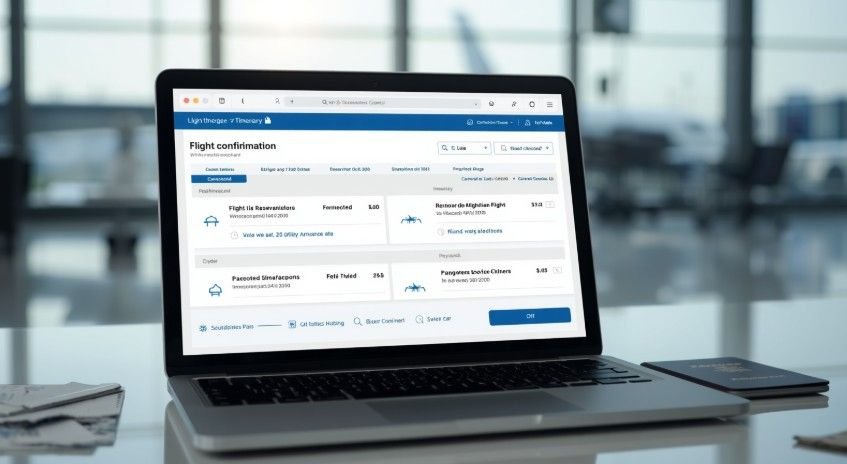
Most round-trip flights are tied to one booking reference, often called a PNR. This means your outbound and inbound flights are connected inside one itinerary.
If the airline changes your schedule, cancels a leg, or needs to rebook you, the full reservation is usually handled together. That can make support easier than managing two unrelated tickets.
Fixed Or Flexible Return
Many travelers book both dates immediately. You choose your departure date and your return date during checkout, then receive one confirmation for the full journey.
Some fare types may allow a flexible return or later date change, but this depends on the airline and ticket rules. Flexible fares usually cost more, but they can help if your schedule might shift.
One Total Payment
You do not usually pay twice for a round trip. The checkout page shows one total price for both flight directions, including base fare, taxes, and mandatory fees.
Optional extras can still increase the final cost. Checked bags, seat selection, priority boarding, meals, and travel insurance may be added separately depending on the airline and fare type.
Common Variations
Comparing round trips with similar flight options travelers often see during booking.
Open-Jaw Flights
An open-jaw flight is a variation where you fly into one city but return from another. For example, you fly from Los Angeles to Rome, travel to Paris, and then fly from Paris back to Los Angeles.
This works well for road trips, Europe vacations, cruises, and multi-city adventures. It can save time because you do not need to return to your first arrival city just to fly home.
Multi-City Trips

A multi-city itinerary includes several flight stops in one booking. For example, New York to London, London to Amsterdam, and Amsterdam back to New York.
This is useful when your trip includes multiple destinations. It may cost more than a basic round trip, but it can make the route cleaner and reduce backtracking.
Two One-Ways
Two one-way tickets can sometimes be cheaper, especially on domestic routes or budget airlines. You might fly out with one airline and return with another.
The downside is that separate tickets are less protected if schedules change. If one airline delays you, the other airline may not help because the flights are not connected under one itinerary.
Important Rules
The travel rules that can prevent expensive mistakes.
Skip-Lagging Risk
Do not skip your outbound flight and expect to use only the return flight. Airlines may cancel the remaining itinerary if you miss the first segment. Contact the airline if plans change.
International Pricing
Round-trip tickets are often cheaper for international travel, especially on long-haul routes. Some destinations may also require proof of return or onward travel before entry.
Baggage And Fare Limits
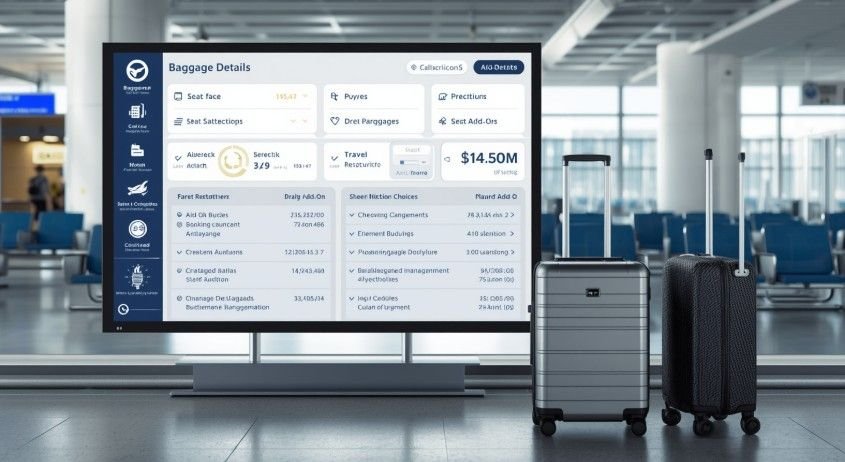
Baggage rules vary by airline, route, and fare class. A cheap ticket may not include checked bags, seat choice, or flexible changes, so review both flight directions before booking.
How To Book Smart
This is for anyone asking what is a round trip flight and how to use it without stress.
Start With Dates
Select “round trip” on the airline or booking website. Enter your departure airport, destination, leaving date, and return date. Compare flight times, layovers, and arrival hours before choosing.
Compare Ticket Types
Check the round-trip fare, then compare it with two one-way tickets. Include baggage, seat fees, cancellation terms, and connection time before deciding which option gives better value.
Book With Care
Before paying, confirm names, airport codes, travel dates, return date, layovers, and baggage allowance. Booking directly with the airline can make changes, delays, refunds, and cancellations easier to manage.
Common Issues And Fixes
Usual problems travelers face most often with round-trip tickets.
Wrong Airport Trouble

Large cities often have multiple airports. A traveler may fly out of one airport but return to another without noticing during checkout. Always check airport codes carefully. Returning to the wrong airport can create parking problems, rental car issues, and expensive ground transportation after a tiring flight.
Tight Layover Stress
Short connections may look efficient, but they can be risky. Delays, long walks, terminal changes, and security checks can turn a cheap itinerary into a stressful race. Choose comfortable layover times, especially for international flights. More connection time can protect your trip and reduce the chance of missing the next flight.
Surprise Schedule Changes
Airlines sometimes change departure times, aircraft, layovers, or return schedules after booking. These changes can affect hotel plans, meetings, rides, and cruise departures.
Check your email and airline app regularly. If a major schedule change happens, contact the airline quickly to ask about better alternatives.
Frequently Asked Questions
1. What Does Flight Round Trip Mean?
A flight round trip means your ticket includes two connected journeys: one flight to your destination and another flight back to your original starting point.
2. Do You Have To Pay Twice For A Round Trip Flight?
No, you usually pay one total checkout price for both directions. Extra charges may apply for bags, seats, upgrades, insurance, or flexible changes.
3. Which Airline To Stay Away From?
Stay away from airlines with repeated complaints about delays, hidden fees, poor refunds, weak customer support, or unclear baggage policies. Always check recent traveler reviews.
4. Is It Cheaper To Buy One-Way Or Round Trip?
It depends on the route and airline. Round trips are often cheaper internationally, while two one-way tickets may sometimes be cheaper for domestic or flexible trips.
Smooth Landing: Book The Round Trip That Fits
Understanding what is a round trip flight makes travel booking feel much easier and less risky. It gives you a confirmed way out and back, one itinerary to manage, and a clearer view of your total trip cost. Compare fares, read rules, check airports, and choose the ticket that matches your plans, not just the lowest price.