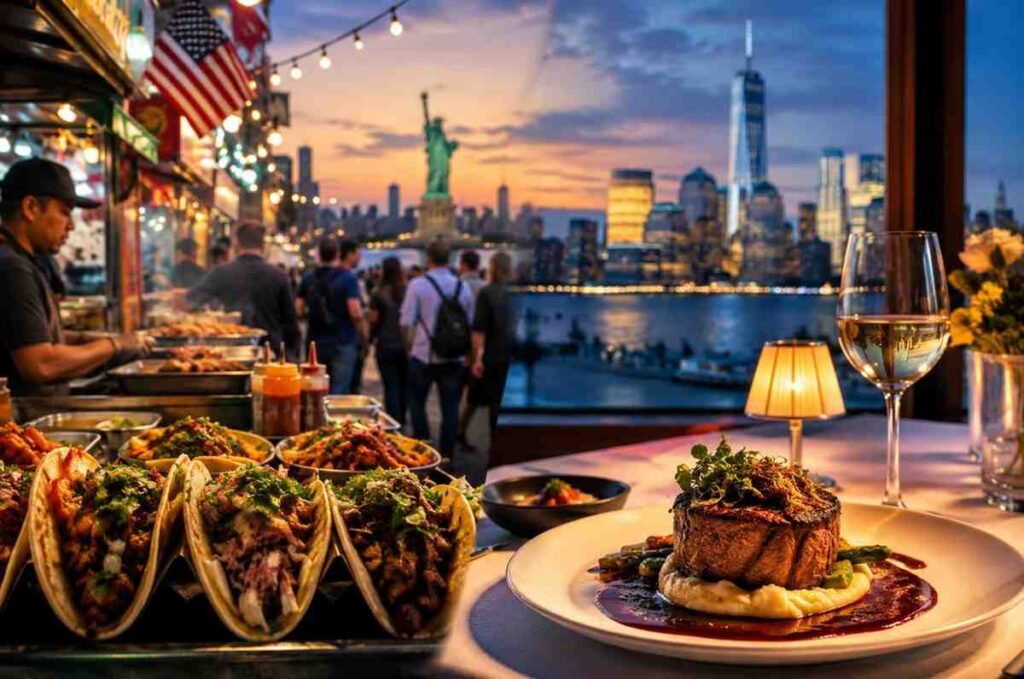
Some of the most memorable meals are not necessarily the most expensive or visually impressive. They are the ones that come with a story. A bowl of soup made from a grandmother’s recipe, a street food snack tied to a city’s industrial past, or a festival dish prepared only once a year can reveal far more about a place than a history book ever could.
The stories behind local dishes help us understand how communities survived, adapted, celebrated, and preserved their identity over generations. Food is more than nourishment. It is a living record of migration, trade, hardship, innovation, and tradition. Every ingredient and cooking method carries traces of the people who came before us.
Why Every Local Dish Has a Story
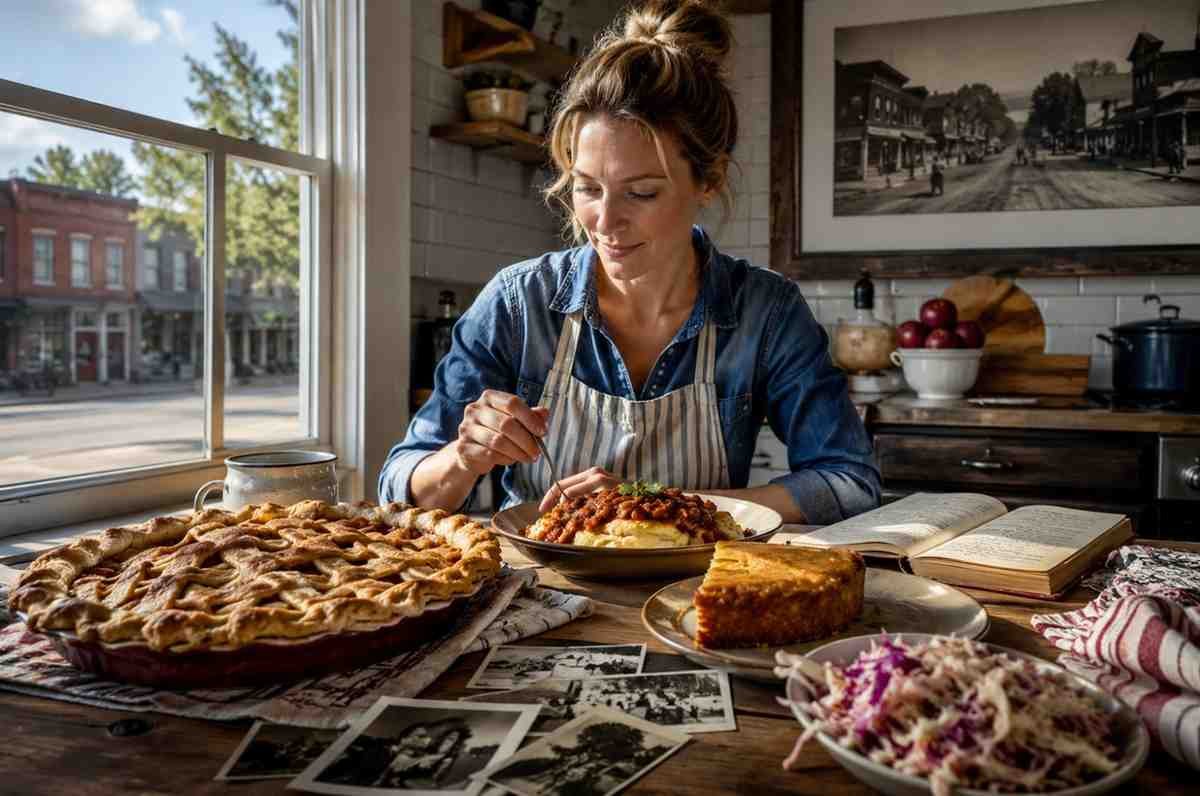
Local food traditions rarely appear by accident. Most traditional dishes develop from the realities of a region, including climate, geography, available ingredients, and economic conditions.
In coastal communities, seafood naturally became a staple because it was accessible and affordable. In farming regions, grains, vegetables, and livestock shaped daily meals. Over time, these practical choices evolved into cultural staples that communities proudly claim as their own.
Many heritage foods began as solutions to everyday challenges. What started as a necessity often transformed into a symbol of local identity. This is why understanding the stories behind local dishes provides a deeper appreciation of the meals themselves. Each recipe tells a story about the people who created it and the environment they lived in.
How History Finds Its Way Onto the Plate
History often leaves its fingerprints on food. Wars, migration, labor movements, and economic changes have all influenced what people eat and how they prepare it.
A classic example comes from Mumbai, where Pav Bhaji and Vada Pav emerged during the nineteenth century. Textile mill workers needed filling meals that could be prepared and consumed quickly during demanding work schedules. What began as practical worker food eventually became beloved regional cuisine.
Food preservation has also shaped many iconic dishes. Fish and Chips, now closely associated with British food culture, traces part of its history to Sephardic Jewish communities who used battering and frying techniques to preserve fish for Shabbat when cooking was prohibited.
Colonial influence created entirely new culinary traditions as well. Goa’s Vindaloo evolved from a Portuguese dish called carne de vinha d’alhos. Local cooks adapted the recipe by replacing wine with palm vinegar and incorporating regional spices, creating a distinctive dish that reflects centuries of cultural exchange.
These examples show how food history often mirrors larger historical events. Recipes become edible records of changing societies.
Trade Routes, Migration, and Culinary Exchange
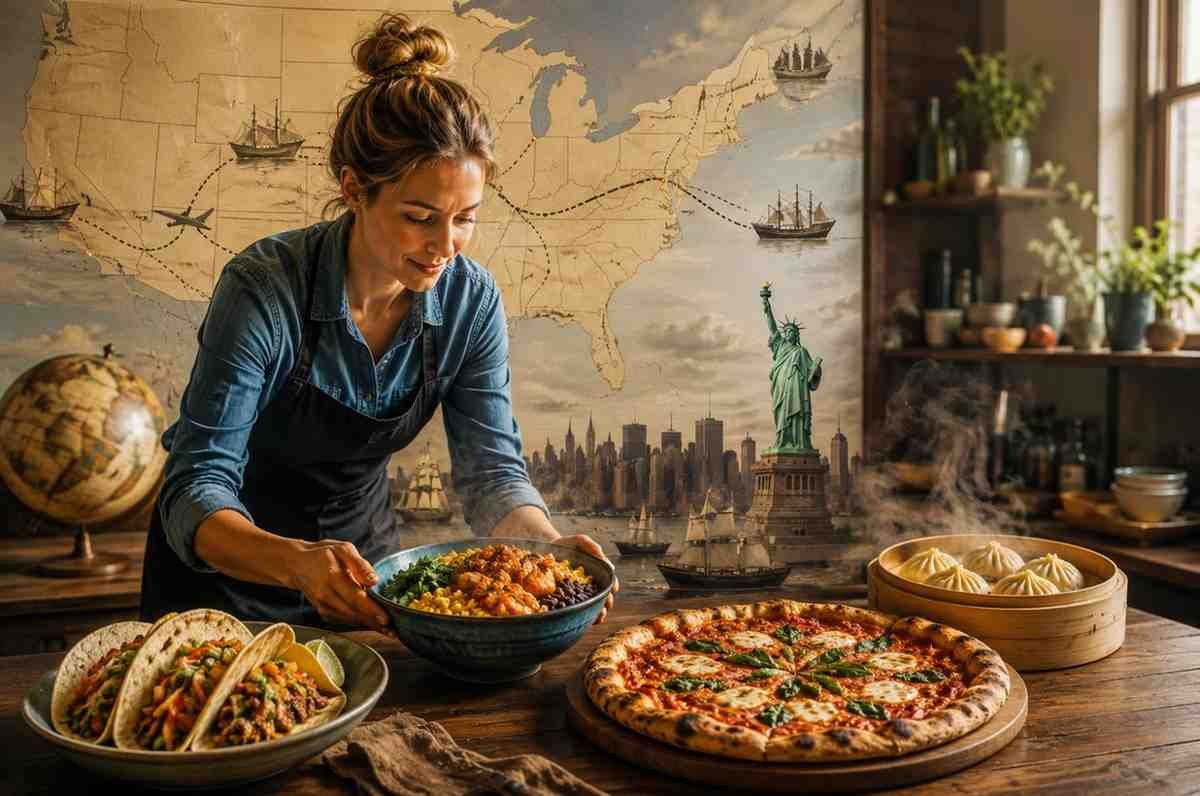
Few dishes remain untouched by outside influences. Human movement has always carried ingredients, techniques, and traditions across borders.
The famous samosa offers a fascinating example. Historians generally trace its origins to Central Asian samsa, a portable meat-filled pastry carried by traders and travelers. As it moved across regions, local ingredients transformed it into the spiced potato-filled snack that became a favorite across South Asia.
Global trade reshaped food traditions on an even larger scale. Tomatoes, potatoes, and chilies were once unknown in many parts of Europe, Africa, and Asia. Their introduction through agricultural exchange permanently altered countless traditional recipes that are now considered authentic regional cuisine.
Migration continues to shape culinary traditions today. Nikkei cuisine emerged when Japanese immigrants settled in Peru and combined precise Japanese cooking methods with local Peruvian ingredients. The result was a unique food culture that honored both traditions while creating something entirely new.
Food storytelling often begins where cultures meet.
The Role of Family Traditions in Preserving Local Cuisine
While history shapes dishes, families help preserve them.
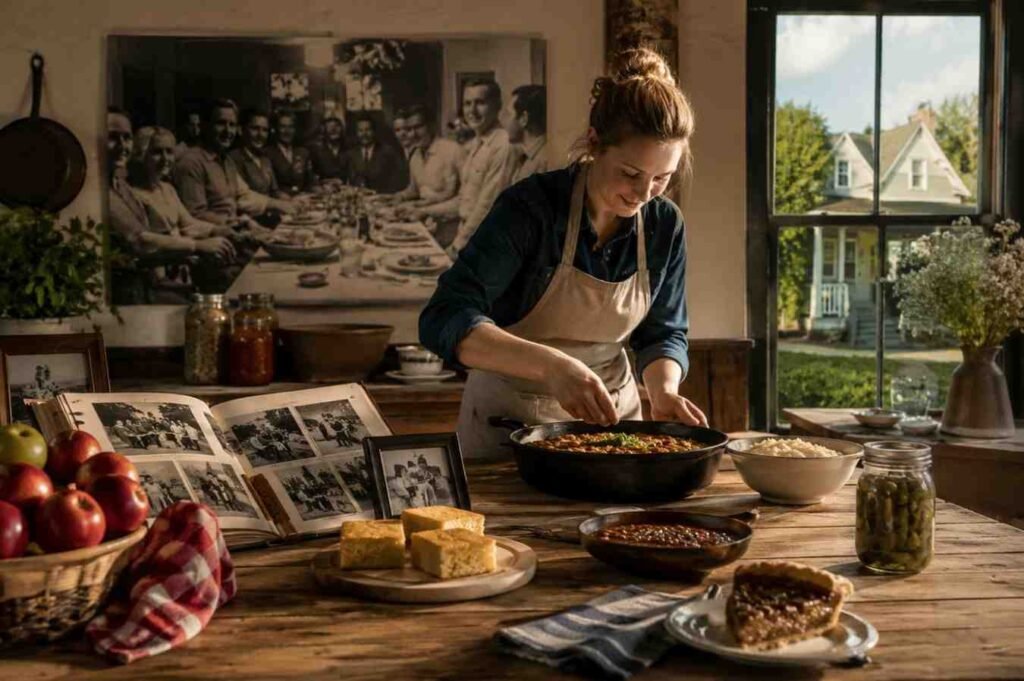
Many traditional recipes survive not because they were written down but because they were taught through observation and repetition. Grandparents pass techniques to parents, parents teach children, and each generation contributes its own small adjustments.
These family recipes often become powerful symbols of belonging. The smell of a familiar holiday dish can instantly reconnect someone with childhood memories, family gatherings, and cultural traditions.
In many households, cooking is also a form of storytelling. While preparing food, older generations share memories about where recipes originated, why certain ingredients matter, and how customs developed. This transfer of knowledge helps preserve culinary heritage long after the original circumstances have changed.
Food as a Symbol of Community Identity

Beyond individual families, food helps strengthen entire communities.
Many celebrations and festivals revolve around specific dishes that hold cultural meaning. These meals become shared experiences that reinforce community traditions and values.
In South India, Sakkarai Pongal is prepared during the Pongal harvest festival using freshly harvested rice and traditional clay pots. The dish symbolizes gratitude for a successful harvest and respect for nature’s role in sustaining life.
Some food traditions have become so culturally significant that they receive international recognition. UNESCO’s Intangible Cultural Heritage program includes practices such as Ukrainian Borscht culture and Jordan’s Mansaf traditions because they represent important expressions of community identity.
Even dining etiquette reflects cultural values. Expectations around hospitality, generosity, and respect often vary between societies, demonstrating that food culture extends far beyond the meal itself.
Frequently Asked Questions: How the Stories Behind Local Dishes Connect Food, History, and Tradition
1. Why are local dishes important to cultural heritage?
Local dishes preserve traditions, historical experiences, and cultural values that help communities maintain their identity across generations.
2. How do traditional recipes survive over time?
Most traditional recipes are passed down through families and communities through observation, practice, and shared cultural experiences.
3. What influences the development of local cuisine?
Geography, climate, available ingredients, trade routes, migration, historical events, and economic conditions all shape local cuisine.
4. Why do travelers seek traditional foods?
Traditional foods provide authentic cultural experiences and help travelers understand the history, customs, and identity of a destination.
Why Travelers Are Looking for Stories, Not Just Meals
Food tourism has changed significantly in recent years. Travelers are no longer satisfied with simply checking famous dishes off a list. Many want to understand the history, traditions, and local customs that surround those foods.
Learning about a dish’s origins often creates a more meaningful travel experience than the meal alone. Understanding why a recipe was developed, who created it, and how it became part of local culture adds depth to every bite.
This growing curiosity explains why resources such as a restaurant to visit around the world for travelers increasingly highlight cultural context alongside dining recommendations. Visitors want authentic experiences that connect them with local communities rather than generic dining options.
The most memorable travel meals are often the ones accompanied by stories shared by cooks, restaurant owners, market vendors, and local residents.