

Nothing builds excitement quite like planning an international getaway, but that excitement can quickly turn into stress if important paperwork is missing. After helping friends prepare for trips across Europe, Southeast Asia, and North America, one lesson always stands out: understanding the documents needed for international travel before departure can save hours of confusion, unexpected expenses, and even denied boarding. A little preparation goes a long way toward ensuring a smooth and memorable journey.
Key Takeaways
- Check passport validity at least several months before departure.
- Research visa and travel authorization requirements early.
- Carry both digital and printed document backups.
- Prepare health records and medication documentation.
- Review destination-specific entry requirements before every trip.
Essential International Travel Documents
These core documents form the foundation of every successful international journey.
Valid Passport
Your passport is the single most important travel document you’ll carry abroad. Most countries require it to remain valid for at least six months beyond your planned return date. It should also contain enough blank pages for immigration stamps and visas.
Before booking any international trip, check your passport’s expiration date carefully. Renewing early is always better than discovering an issue shortly before departure.
A passport card may be useful for specific land or sea crossings, but it is never accepted for international air travel. Always carry your passport book when flying internationally.
Visa Or Travel Authorization
Many destinations require travelers to obtain a visa or electronic travel authorization before arrival. Requirements vary based on nationality, travel purpose, and duration of stay.
Some countries offer online applications that can be completed within minutes, while others may require embassy visits and supporting documents. Researching visa requirements early prevents unnecessary travel delays.
Travelers visiting parts of Europe may also encounter electronic authorization systems such as ETIAS. Since regulations change frequently, verifying requirements through official sources remains essential.
Flight And Accommodation Proof

Immigration officers often ask for proof of onward travel and accommodation details before granting entry. Return flight reservations demonstrate your intention to leave within the permitted period. Hotel bookings, vacation rental confirmations, or invitation letters from hosts help support your travel plans. Keeping these documents easily accessible on your phone and in printed format can simplify immigration procedures.
Destination-Specific Requirements
Different countries often require additional paperwork beyond the basics.
International Driving Permit
Planning to drive abroad adds another layer of preparation. Many countries require visitors to carry an International Driving Permit alongside their regular driver’s license.
Rental car agencies may also request an IDP before releasing a vehicle. Obtaining one before departure helps avoid transportation issues after arrival.
Checking destination-specific driving requirements in advance ensures compliance with local regulations and reduces the risk of fines.
Financial Proof Requirements
Some immigration authorities ask visitors to demonstrate sufficient financial resources for their stay.
Recent bank statements, credit cards, or proof of available funds may be requested during entry screening. These requirements vary significantly between destinations.
Carrying evidence of financial stability helps answer immigration questions quickly and confidently.
Return Travel Documentation
Several countries require proof that travelers intend to depart before their visa expires. A confirmed return ticket or onward booking often satisfies this requirement. Without proper documentation, travelers may experience delays or additional questioning at immigration checkpoints.
Health Records That Protect Your Trip
Health preparation is becoming an increasingly important part of international travel planning.
Vaccination Certificates
Certain destinations require proof of specific vaccinations before entry. Yellow fever vaccination certificates remain mandatory for some regions and may be checked upon arrival.
Researching destination health requirements several weeks before departure provides enough time to schedule appointments and obtain necessary documentation. Keeping digital and physical copies of vaccination records adds another layer of protection during travel.
Prescription Medication Documents
Traveling with medication requires careful preparation. Many countries enforce strict regulations regarding prescription drugs, even for commonly used medications.
Medications should remain in their original labeled containers whenever possible. Carrying a copy of the prescription and a doctor’s note can help prevent misunderstandings during customs inspections. Proper documentation also simplifies replacement procedures if medication is lost during the trip.
Travel Insurance Information
Medical emergencies abroad can quickly become expensive and stressful. Comprehensive travel insurance provides valuable protection against unexpected events.
Policy documents should include emergency assistance numbers, coverage details, claim instructions, and policy identification information.
Having quick access to insurance paperwork can save valuable time during emergencies and help travelers receive appropriate assistance faster.
Special Documents For Families And Students
Certain travelers may require additional documentation depending on their circumstances.
Traveling With Children
Families traveling internationally should prepare extra paperwork when children are involved. Birth certificates, custody agreements, and parental consent letters may be requested by immigration authorities.
These requirements become especially important when only one parent or guardian is traveling with the child. Having supporting documentation readily available helps avoid delays during border crossings.
Student Travel Requirements
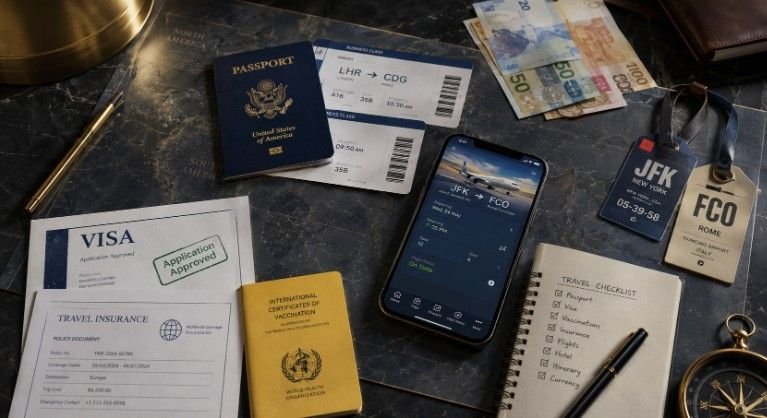
Students studying abroad often need additional paperwork beyond standard travel documents. Admission letters, enrollment confirmations, accommodation details, student visas, and proof of financial support may all be required during entry procedures. Organizing these documents into a dedicated travel folder makes international student travel much easier.
Business Travel Essentials
Business travelers frequently carry invitation letters, conference registrations, employer verification documents, and business visas.
These materials help explain the purpose of travel and demonstrate compliance with immigration requirements. Keeping all business-related documentation organized can streamline customs and immigration interactions.
Smart Backup Strategies
Preparation does not end once documents are collected.
Store Digital Copies
Creating digital backups of passports, visas, insurance policies, and travel itineraries provides an important safety net. Cloud storage platforms and secure travel apps allow travelers to access critical information from almost anywhere in the world. Digital copies can significantly reduce stress if physical documents are lost or stolen.
Keep Physical Copies Separate
Printed copies remain valuable even in today’s digital world. Store photocopies separately from original documents to create an additional layer of protection. If a passport goes missing, copies can help accelerate replacement procedures. This simple habit has saved many travelers from unnecessary complications abroad.
Share Information With Trusted Contacts
Providing copies of important travel documents to trusted family members creates another backup option. In emergencies, these contacts can quickly access and forward critical information when needed. This extra precaution often proves invaluable during unexpected travel situations.
Mastering The Documents Needed For International Travel
Successfully organizing the documents needed for international travel becomes much easier when approached step by step.
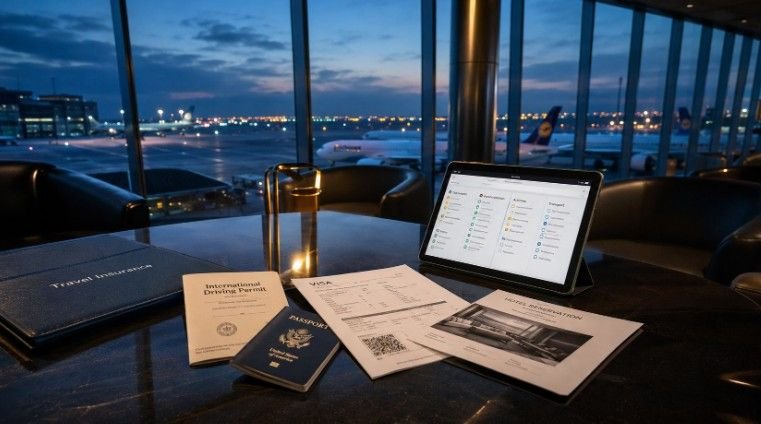
- Start by verifying passport validity and checking whether your destination requires a visa or travel authorization.
- Next, gather accommodation details, return flight confirmations, health records, and travel insurance information.
- Then create secure digital backups and print essential copies.
- Finally, review destination-specific requirements one final time before departure.
Following this process reduces travel stress and helps ensure a smooth experience from airport check-in through immigration clearance.
Frequently Asked Questions
1. What documents do I need to fly internationally?
The documents needed for international travel usually include a valid passport, required visa or travel authorization, flight itinerary, accommodation details, and any destination-specific health or entry documentation.
2. Which documents are required for international travel?
Most travelers need a passport, visa if applicable, proof of onward travel, accommodation confirmation, travel insurance information, and health records depending on the destination’s requirements.
3. Can you fly without REAL ID 2026?
For international flights, travelers generally use a passport rather than a REAL ID. A valid passport remains one of the most important documents needed for international travel.
4. What is the most forgotten item when traveling?
Travelers frequently forget charging cables, travel adapters, prescription medications, and printed copies of important travel paperwork, which can create avoidable challenges during the trip.
Pack Smart, Travel Far With The Right Documents
Every successful journey begins long before boarding the plane. Understanding the documents needed for international travel helps eliminate uncertainty, reduces airport stress, and prepares you for changing entry requirements around the world.
From passports and visas to health records, travel insurance, and secure backups, careful preparation allows you to focus on exploring new destinations instead of solving preventable travel problems. Travel smart, stay prepared, and make every international adventure a smooth one.