A recent trip reminded me that seat selection can completely change how a journey feels. Knowing how to choose seats on a flight helped me avoid a cramped middle seat, get better rest on a long route, and arrive feeling refreshed. Whether you’re flying for business, vacation, or a family getaway, choosing the right seat can make every mile in the air more enjoyable.
Key Takeaways
- Choose seats based on your travel style, not just availability.
- Window, aisle, and exit-row seats each offer different benefits.
- Checking aircraft seat maps helps avoid poor seat choices.
- Health, comfort, and travel plans should influence seat selection.
- Booking early increases access to the best seats.
Why Seat Selection Deserves More Attention
Many travelers spend hours comparing airfares but only seconds choosing a seat. That small decision can affect your comfort, sleep quality, mobility, and stress levels throughout the journey.
Learning how to choose seats on a flight is often the difference between arriving energized and arriving exhausted. A smart seat choice can help you avoid noise, reduce jet lag, and make long flights far more pleasant.
Seat selection is especially important on crowded flights where comfort options become limited. A few minutes of planning can save hours of discomfort later.
Start With The Right Seat Map
Understanding your aircraft layout is one of the smartest travel habits you can develop.
Check Your Aircraft Model
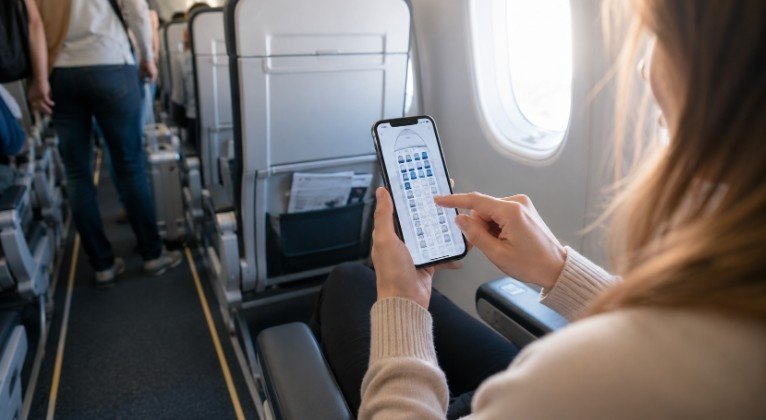
Before selecting a seat, verify your aircraft model through the airline website. Then review detailed seat maps on resources like SeatMaps or AeroLopa to understand the exact cabin layout.
Aircraft types vary significantly. A great seat on one Boeing 737 may feel completely different on another aircraft configuration.
Look Beyond Seat Numbers
Many travelers focus only on row numbers, but seat maps reveal much more. You can identify extra legroom seats, misaligned windows, limited recline rows, and seats located near busy cabin areas.
This extra research takes only a few minutes and can dramatically improve your travel experience.
Spot Hidden Advantages
Some seats offer unexpected benefits such as additional knee room, quieter surroundings, or faster access to exits. Reviewing a seat map carefully helps uncover these hidden gems before someone else books them.
Choosing The Best Seat For Your Needs
Every traveler has different priorities. The best seat depends on how you plan to spend your flight.
Best Seat For Sleeping
Window seats remain the top choice for travelers who want uninterrupted rest. The cabin wall provides support for your head while reducing disturbances from neighboring passengers.
You’ll also avoid getting up whenever someone needs aisle access, making sleep easier on overnight flights.
Best Seat For Frequent Restroom Visits
An aisle seat offers maximum flexibility during the flight. You can move around freely without disturbing others and access the restroom whenever needed. This option is especially helpful on long-haul routes where regular movement supports circulation and comfort.
Best Seat For Extra Legroom
Exit-row seats are often the most desirable economy seats because of their additional legroom. Taller travelers usually benefit most from these locations.
Keep in mind that tray tables often fold into the armrests, and armrests may not move. Despite these minor trade-offs, the added space is usually worth it.
Smart Choices Based On Travel Plans
Your itinerary should influence your seating strategy just as much as comfort preferences.
Best Seat For Tight Connections
Passengers with short layovers should aim for seats toward the front of the cabin. Being among the first travelers off the aircraft can save valuable minutes during connections.
This simple strategy can reduce stress and improve your chances of reaching the next gate on time.
Best Seat For Less Turbulence
Travelers who dislike turbulence should choose seats near the wings. This area sits close to the aircraft’s center of gravity and generally experiences less noticeable movement. Seats near the rear of the plane often feel stronger motion during turbulence.
Best Seat For Couples
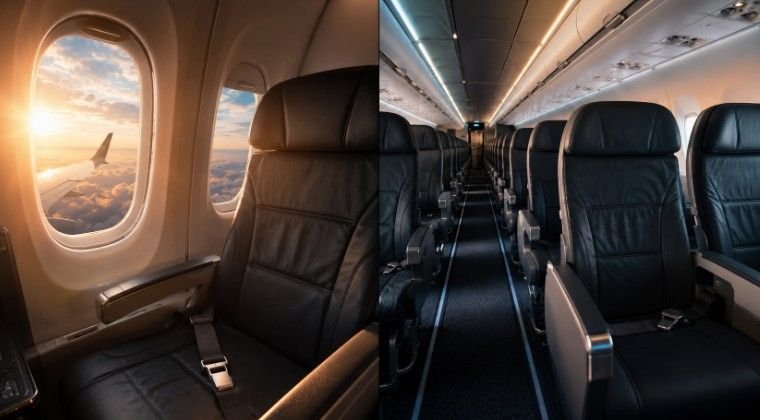
Couples traveling together can try the popular window-and-aisle strategy. Booking both seats while leaving the middle seat open may discourage others from selecting the center position. Although not guaranteed, this approach occasionally provides additional personal space during the flight.
Seats You Should Avoid
Not every seat offers a pleasant experience. Knowing what to avoid can be just as important as knowing what to choose.
Stay Away From Lavatories And Galleys
Seats near restrooms and food preparation areas often experience constant foot traffic. Passengers frequently gather nearby, creating noise and congestion. Strong odors and repeated disturbances can make these locations less comfortable during longer journeys.
Be Cautious At The Rear
The back section of the aircraft is often noisier due to its proximity to engines and service areas. These rows may also experience increased passenger movement throughout the flight, making relaxation more difficult.
Watch For Limited Recline
Some seats located near cabin dividers or emergency exits may have restricted recline functions. Checking the seat map beforehand helps identify these potential issues before booking.
Budget-Friendly Comfort Strategies
Comfort does not always require purchasing a premium cabin ticket.
Consider Paying Early
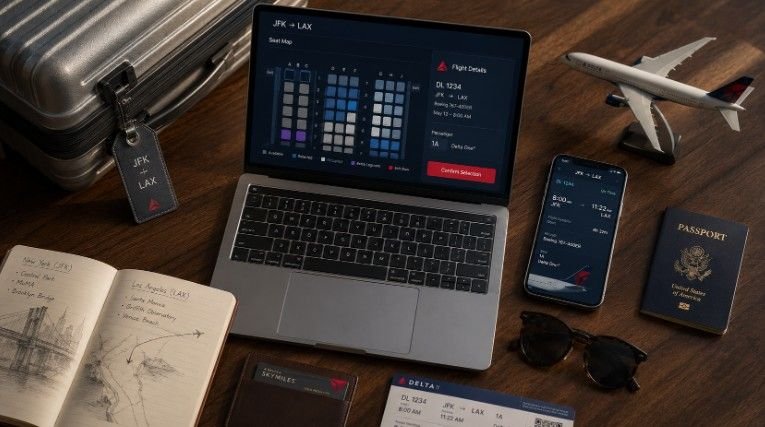
Many airlines charge fees for preferred seat assignments. If comfort matters to you, paying for seat selection early can be worthwhile. Popular seats often sell out quickly, and prices may increase closer to departure.
Monitor Seat Availability
Check your booking regularly in the days leading up to departure. Travelers frequently change flights, creating opportunities for better seat choices. You may discover newly available seats without paying additional fees on baggage and seat.
Use Online Check-In Wisely
Online check-in often unlocks seats that were previously unavailable. Logging in as soon as check-in opens can improve your chances of securing a better location. A few extra minutes of attention can result in a noticeably more comfortable journey.
How To Choose Seats On A Flight Step By Step
Choosing the right seat becomes much easier when you follow a simple process. Start by confirming your aircraft type and reviewing the seat map. Look for rows with extra legroom, favorable window alignment, and distance from high-traffic areas.
Next, think about your travel priorities. Travelers seeking sleep should choose window seats, while those who value mobility should select aisle seats. Passengers with connecting flights may benefit from sitting near the front of the cabin.
Finally, compare the seat selection cost with the potential comfort benefits. On longer flights, paying a modest fee for a better seat often delivers excellent value. Following this approach helps travelers confidently decide how to choose seats on a flight based on their unique needs.
Travel Health Tips That Matter
Comfort and health often go hand in hand during air travel.
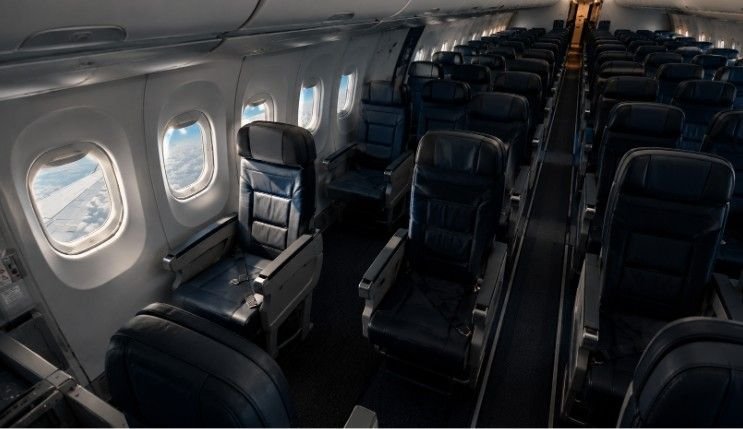
Reduce Fatigue In The Air
Selecting a quieter seat away from busy areas can improve rest and reduce exhaustion after arrival. Combining a good seat choice with hydration and light movement creates a more comfortable journey.
Support Healthy Circulation
Aisle seats make it easier to stand, stretch, and walk periodically during longer flights. Regular movement helps reduce stiffness and improves overall comfort throughout the journey.
Plan For Special Needs
Travelers with mobility concerns, back pain, or circulation issues should prioritize legroom and easy aisle access. Planning ahead allows passengers to enjoy a safer and more comfortable flying experience.
Frequently Asked Questions
1. What is the best way to choose seats on a plane?
The best approach is to match your seat to your travel needs. Window seats work well for sleeping, aisle seats provide flexibility, and seats near the wings generally experience less noticeable turbulence.
2. Which airline to stay away from?
There is no single airline that every traveler should avoid. Instead, compare customer reviews, seat comfort, route reliability, baggage policies, and onboard service before making a booking decision.
3. How do I select a seat for an already booked flight?
Visit the airline website or mobile app, open the Manage My Booking section, and review available seating options. Most airlines allow seat selection before departure, though some may charge a fee.
4. What is the 3 seat economy trick?
The 3 seat economy trick involves booking the window and aisle seats while leaving the middle seat unoccupied. If the flight is not full, the center seat may remain empty, creating extra personal space.
Your Boarding Pass To Better Travel
Knowing how to choose seats on a flight can transform the way you travel. The right seat supports better sleep, easier movement, reduced stress, and greater overall comfort. Whether your goal is extra legroom, a smoother ride, or a faster exit after landing, thoughtful planning pays off. The next time you book a trip, remember that how to choose seats on a flight is just as important as choosing the flight itself.