Airport security can feel stressful when you are not sure what belongs in your carry-on and what should stay out. A simple mistake, like packing a full-size lotion, a pocket knife, or the wrong battery item, can delay your trip before it even begins. That is why understanding TSA carry on rules matters for every US traveler.
The good news is that most travel essentials are allowed when you pack them the right way. TSA checks the safety of what is inside your bag, while your airline controls the size, weight, and boarding limits for your carry-on and personal item.
In this blog, I will break down the liquid rule, food items, medicines, batteries, prohibited items, and airline baggage limits so you can pack with confidence before heading to the airport.
What Are the Main TSA Carry-On Rules for US Travelers?
Most everyday travel items are allowed, including clothes, books, phones, laptops, snacks, chargers, solid deodorant, and prescription pills. Problems usually start with items that seem harmless.
A large sunscreen bottle, gel deodorant, aerosol paint, loose razor blade, peanut butter jar, or souvenir pocket knife can trigger screening or confiscation. I check questionable items before leaving home because TSA officers make the final decision.
How Does the TSA 3-1-1 Liquids Rule Work?
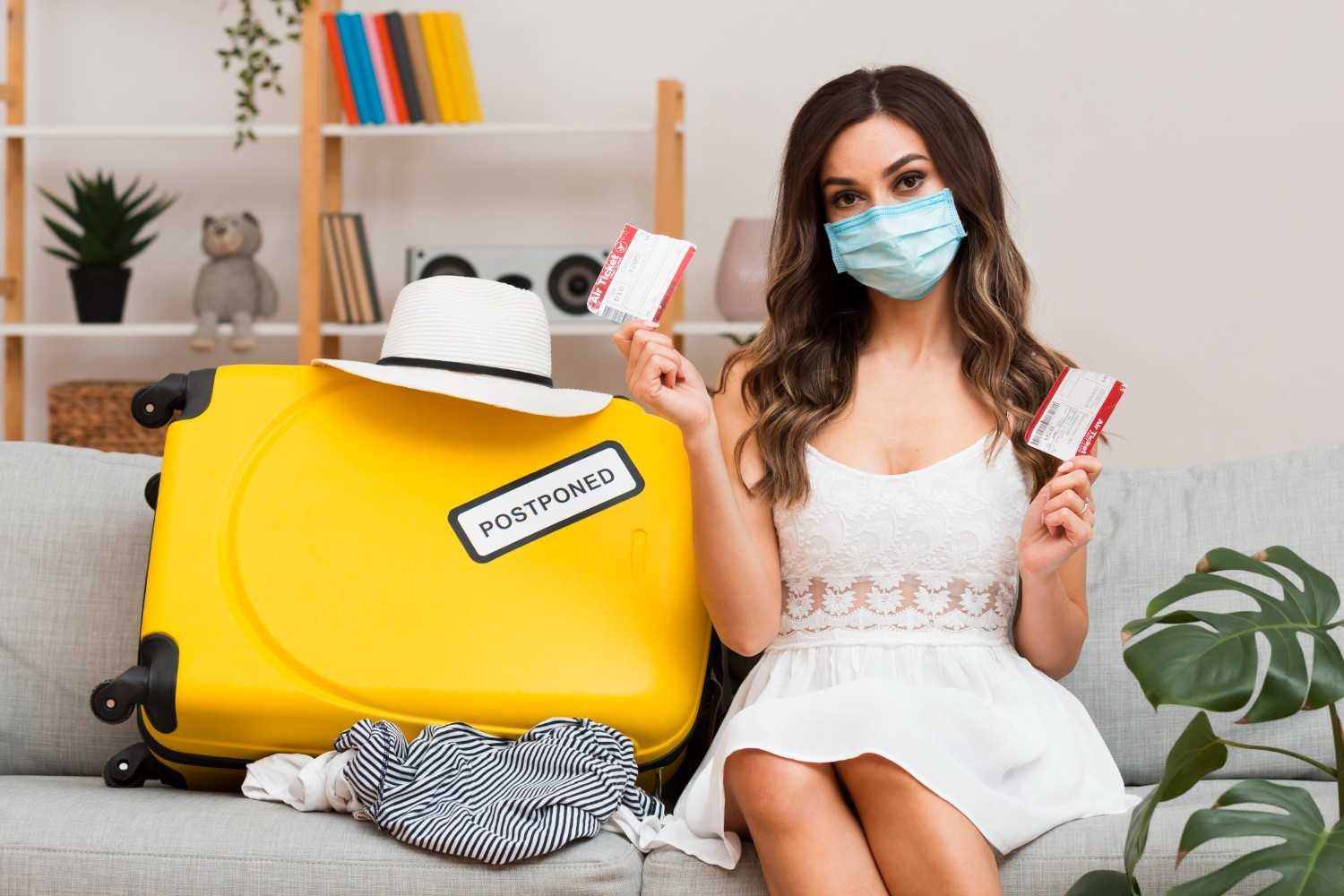
The TSA liquid rules are strict. Liquids, gels, aerosols, creams, pastes, and similar items must be in containers of 3.4 ounces or 100 milliliters or less. The container size matters, not the amount left inside. A half-empty 6-ounce shampoo bottle can still be rejected.
All travel-size containers must fit comfortably inside one clear, plastic, resealable quart-sized bag. Each passenger gets one liquids bag in carry-on luggage. This rule applies to shampoo, lotion, perfume, toothpaste, liquid makeup, shaving cream, spray deodorant, gel deodorant, hand sanitizer, and many toiletries. Treat hand sanitizer like any other liquid.
What Liquids Are Exempt From the 3.4-Ounce Limit?
Some essential liquids can exceed 3.4 ounces, but you should declare them for separate screening. These exceptions include medically necessary liquids, prescription liquid medication, pre-filled syringes, saline solution, liquid nutrition, and certain over-the-counter medical liquids.
Parents and caregivers also get important exceptions. Baby formula, breast milk, toddler drinks, baby food, puree pouches, and water needed for infant nourishment may travel in larger quantities. Ice packs, freezer packs, and gel packs used to cool baby food or medication may also be allowed.
What Food Can You Bring Through TSA?
You can bring many solid foods through TSA, including sandwiches, chips, crackers, cookies, fruit, protein bars, dry snacks, and baked goods.
Liquid or gel-like foods are different. Peanut butter, jam, hummus, yogurt, salsa, salad dressing, sauces, soups, and creamy cheese must follow the 3-1-1 rule if they go in your carry-on. If the food spreads, pours, squeezes, or sloshes, treat it like a liquid.
What Items Are Not Allowed in a Carry-On Bag?
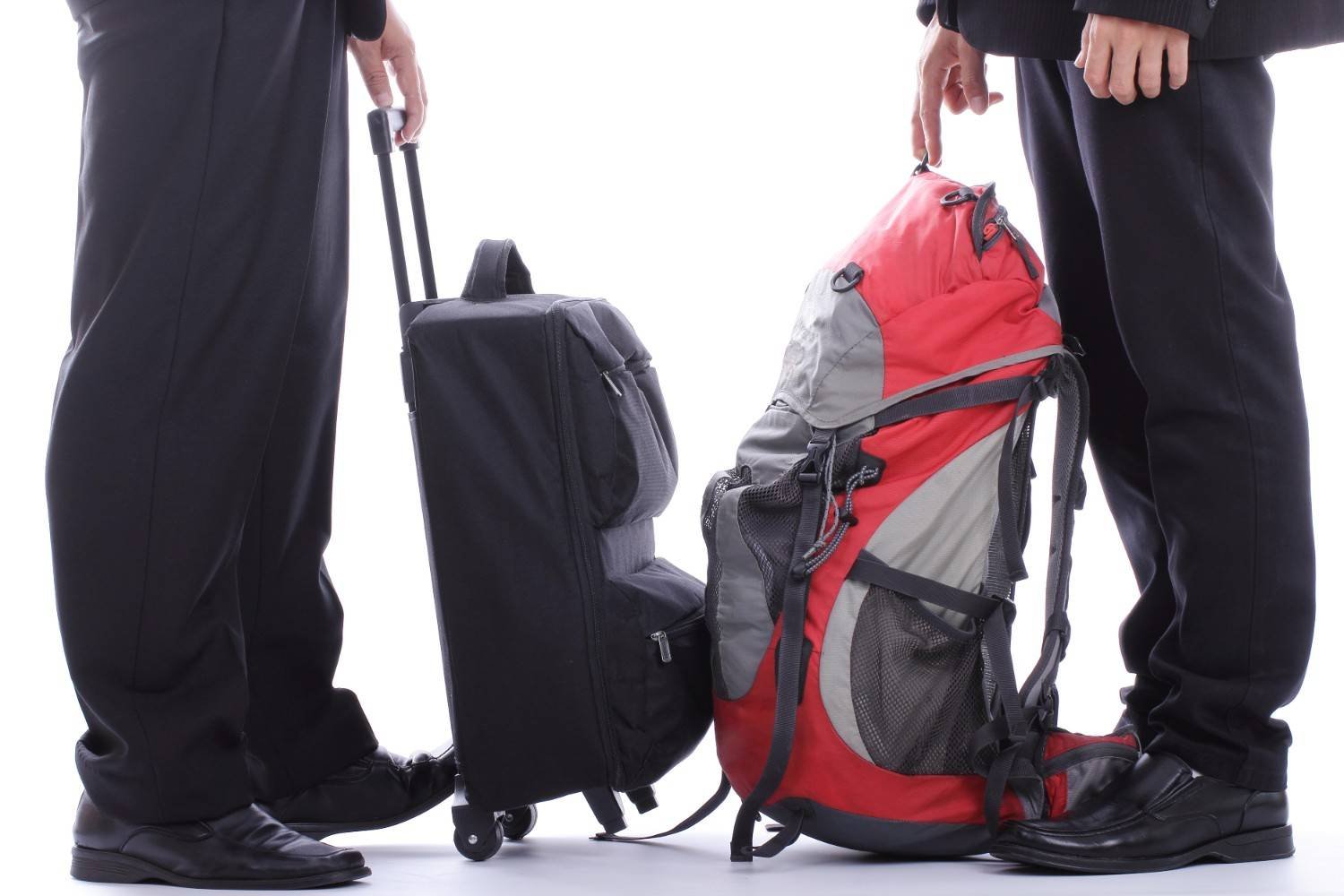
Some items should never go in your carry-on. Weapons, firearms, ammunition, fireworks, explosives, large knives, pocket knives, box cutters, loose razor blades, and brass knuckles are not allowed through the checkpoint. Pack large scissors and sharp tools in checked baggage.
Flammable and hazardous items are another major problem. Lighter fluid, camping fuel, aerosol paint, and similar dangerous goods should not be packed in a carry-on. High-proof alcohol over 140 proof, or 70% ABV, is also prohibited. Pepper spray and mace are banned from carry-on bags, even if you carry them for personal safety.
Can You Bring Electronics, Power Banks, and Smart Luggage?
Most everyday electronics are allowed in carry-on bags, including phones, laptops, tablets, cameras, headphones, watches, chargers, and gaming devices. TSA may ask you to remove larger electronics unless you are in a screening lane where they can stay packed.
Power banks and loose lithium batteries need extra care. Spare lithium-ion batteries and portable chargers must stay in your carry-on, not checked baggage.
If your carry-on gets gate-checked, remove the power bank first and keep it with you in the cabin. Smart luggage should have a removable battery because airlines can restrict bags with batteries that cannot be removed.
Do TSA Rules Decide Carry-On Bag Size?
No. TSA screens what is inside your bag, but your airline controls carry-on bag size. Many US airlines use a common limit near 22 x 14 x 9 inches for overhead bin bags, including wheels and handles, but you should always check your exact airline before flying.
A personal item must fit under the seat in front of you. Many airlines use a size near 18 x 14 x 8 inches, but this can vary. Basic economy fares may be stricter and may not include overhead bin space on some airlines.
How Can You Pack Faster and Avoid TSA Delays?
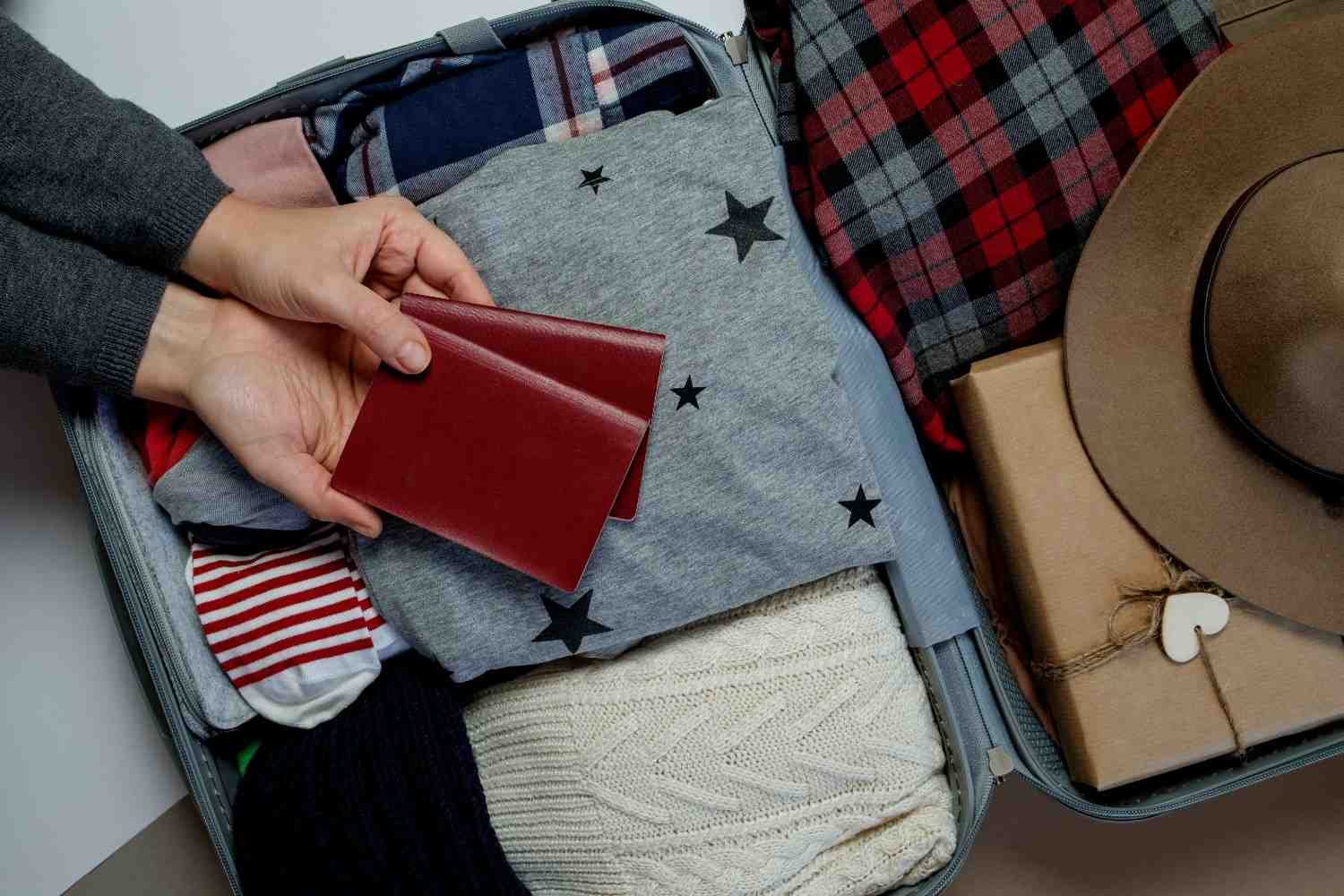
Pack for screening, not just for space. Keep your quart-sized liquids bag near the top of your carry-on. Place medication, baby liquids, snacks, and electronics where you can reach them quickly. Do not wrap gifts before security because TSA may need to inspect them.
I also keep valuables, travel documents, medication, electronics, batteries, and anything needed during the flight in my carry-on. Oversized liquids, sharp tools, and restricted items go in checked baggage or stay at home. TSA PreCheck can speed up the process, but it does not let you ignore prohibited item rules.
Frequently Asked Questions (FAQs)
1. Can I bring full-size shampoo in my carry-on?
No. Full-size shampoo must go in checked baggage unless the container is 3.4 ounces or smaller and fits in your quart-sized liquids bag.
2. Can I bring hand sanitizer through TSA?
Yes, but hand sanitizer must follow the 3.4-ounce liquid limit for carry-on bags and fit inside your quart-sized liquids bag.
3. Can I bring medicine over 3.4 ounces?
Yes, medically necessary liquids can exceed 3.4 ounces in reasonable quantities, but you should declare them to TSA officers for separate screening.
4. Does the TSA decide my carry-on size?
No. TSA screens bag contents for security, while your airline decides carry-on size, personal item limits, and basic economy baggage rules.
Final Thoughts
Flying gets easier when you understand TSA carry on rules before you reach the airport. Keep liquids small, declare medical and baby exceptions, pack power banks in the cabin, avoid sharp or flammable items, and check your airline’s bag-size limits.
For parents, this is one of the most practical budget travel tips for families because a few minutes of smart packing can save you from delays, confiscated items, and gate surprises.