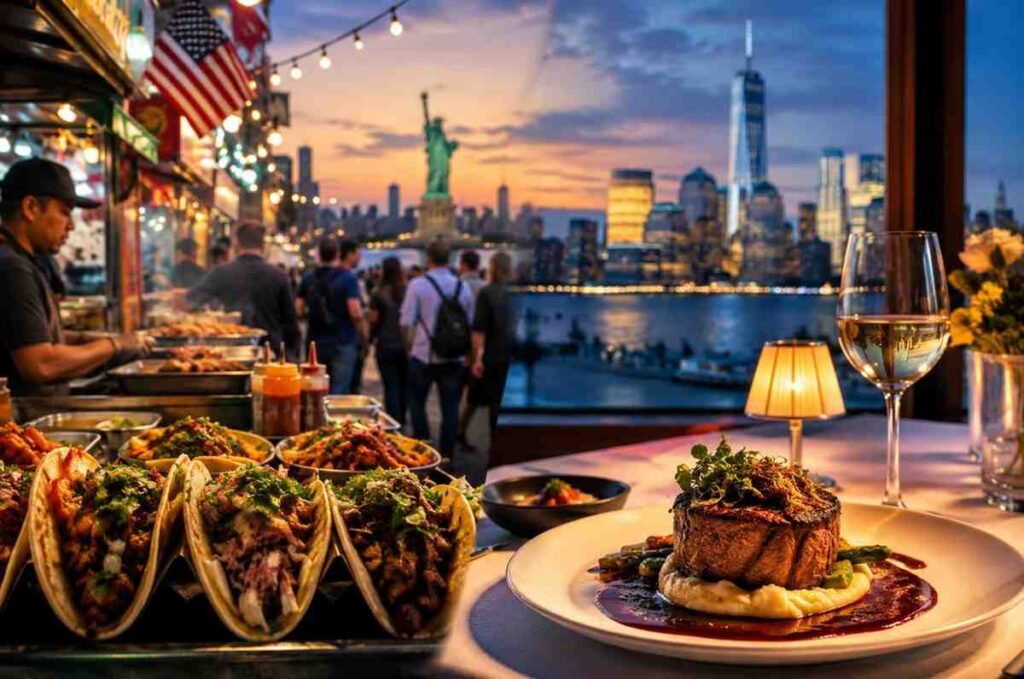
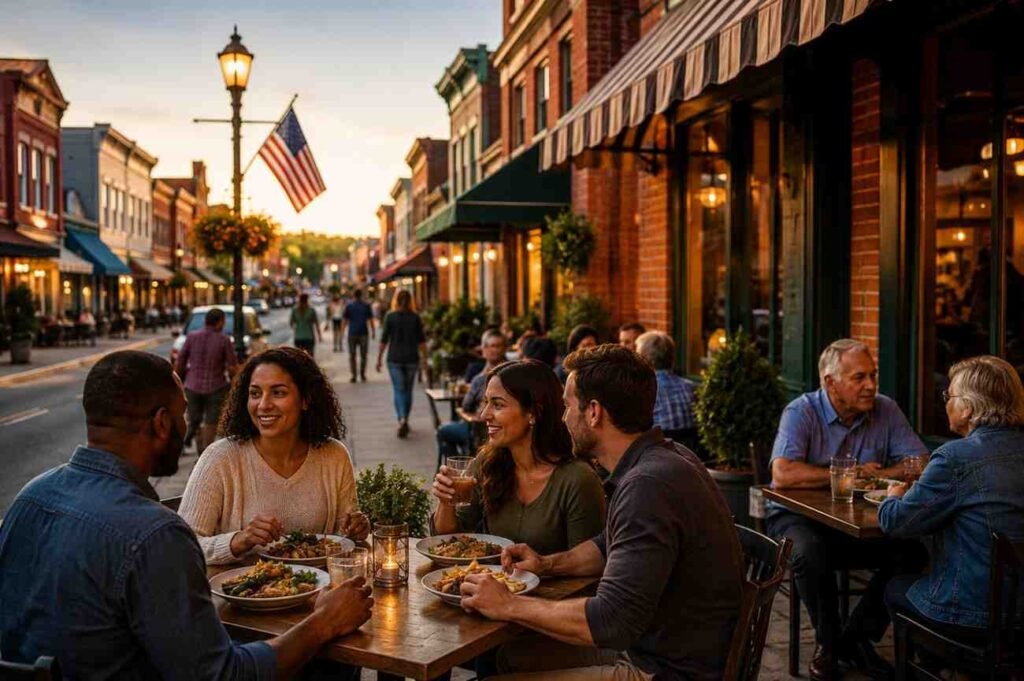
You can learn a lot about a place by walking through its streets, visiting its landmarks, or talking to its residents. Yet one of the most revealing experiences often happens around a table. The restaurants people support, the dishes they pass down through generations, and the way they gather for meals tell stories that maps and guidebooks rarely capture.
Local dining culture is more than a collection of popular dishes. It reflects the values, traditions, and everyday realities of a community. From neighborhood diners and family-owned restaurants to farmers markets and food festivals, dining habits provide a window into how people live, connect, and preserve their identity.
Why Food Often Reflects Community Identity
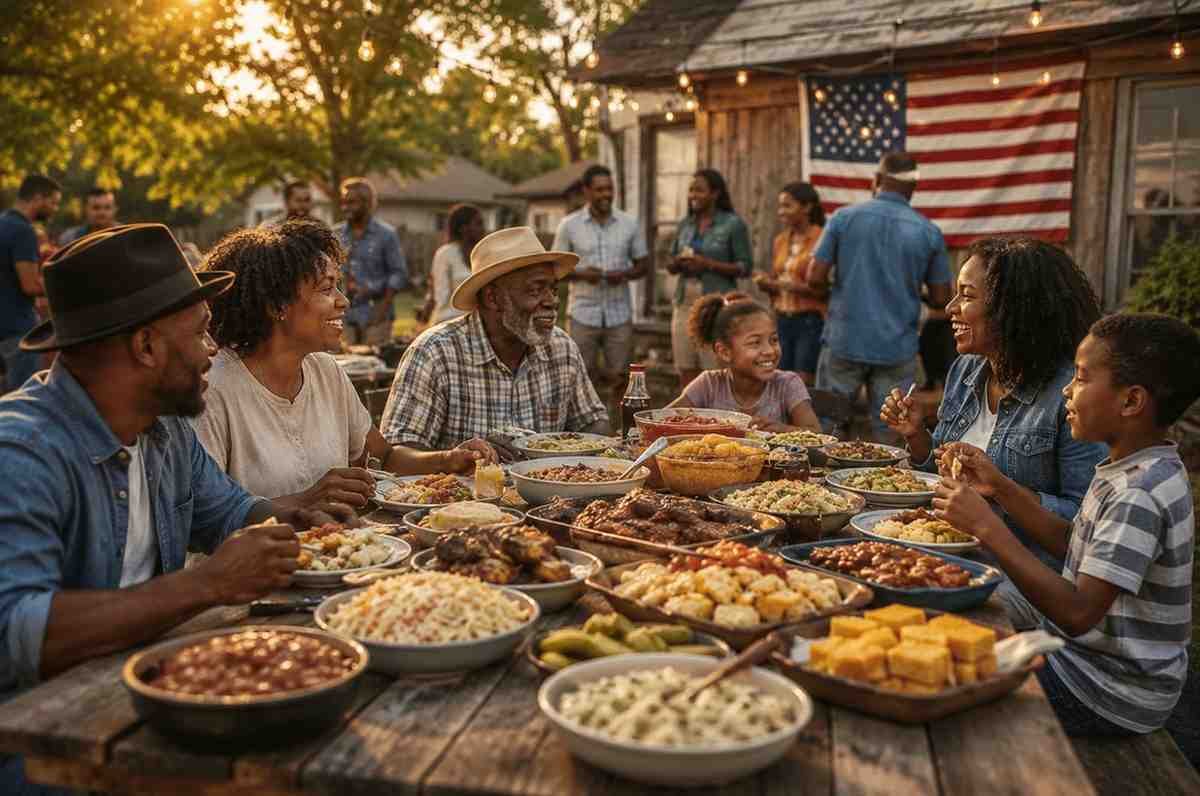
Food is deeply tied to community identity because it develops alongside a region’s history. Recipes are passed from one generation to the next, carrying stories, traditions, and memories with them. Many communities take pride in preserving local food traditions because they represent a connection to the past.
In many towns and cities, certain dishes become symbols of local culture. They reflect the ingredients available in the area, the people who settled there, and the influences that shaped the region over time. Whether it is a family recipe served for decades or a regional specialty celebrated at local events, food often becomes part of a community’s collective identity.
Dining culture also reveals what people value. Communities that prioritize family gatherings may place great importance on shared meals, while others may emphasize convenience, innovation, or culinary creativity. These choices create a unique food culture that reflects local priorities.
The Stories Hidden Behind Local Ingredients
One of the clearest ways to understand a community is to look at the ingredients it uses. Traditional menus often rely on foods that grow naturally in the surrounding environment. This connection between geography and cuisine highlights how communities have adapted to their climate and available resources.
Regions with strong agricultural traditions often celebrate local ingredients through seasonal menus, farmers’ markets, and community-supported agriculture programs. These practices showcase a commitment to supporting local producers and preserving regional flavors.
The growing popularity of farm-to-table dining also reveals changing community values. When restaurants emphasize locally sourced ingredients, it often reflects a broader interest in sustainability, environmental stewardship, and responsible consumption. Food becomes more than nourishment; it becomes a reflection of how people relate to their environment.
Restaurants As Community Gathering Places
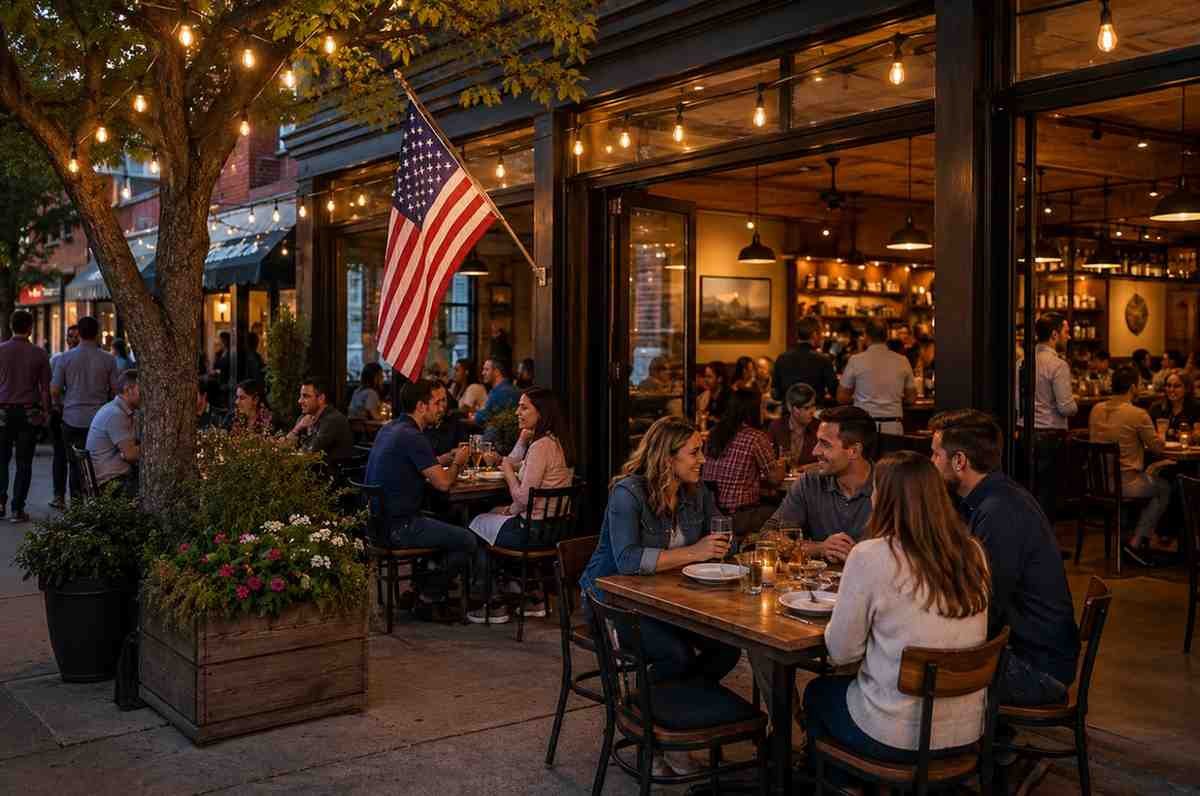
Restaurants do far more than serve meals. They create spaces where people gather, celebrate, and build relationships. Local cafes, diners, and neighborhood eateries often become informal community hubs where conversations happen and connections are formed.
Family-owned restaurants are especially famous because they frequently serve as cultural anchors within a community. Their menus, traditions, and customer relationships often reflect local history in ways that larger chain establishments cannot replicate.
These gathering places also reveal patterns of social interaction. Some communities embrace lively, communal dining environments where people share tables and meals. Others value quieter, more intimate dining experiences. Both approaches offer insight into local social dynamics and community relationships.
How Dining Traditions Reveal Cultural Values
Dining traditions often communicate values that extend far beyond food itself. Hospitality, respect, generosity, and family connections are frequently expressed through mealtime customs.
The way meals are served can reveal cultural priorities. Communities that emphasize togetherness may favor large platters designed for sharing. In contrast, more individualized dining styles may reflect different social norms and expectations.
Celebrations also provide valuable insights into local culture. Weddings, holidays, religious gatherings, and community festivals often center around traditional foods. These occasions help preserve culinary heritage while strengthening social bonds across generations.
Even seemingly small details can reveal larger social structures. Seating arrangements, meal preparation responsibilities, and serving traditions may reflect longstanding family customs, cultural expectations, and evolving social roles.
The Influence Of Diversity On Local Dining Culture
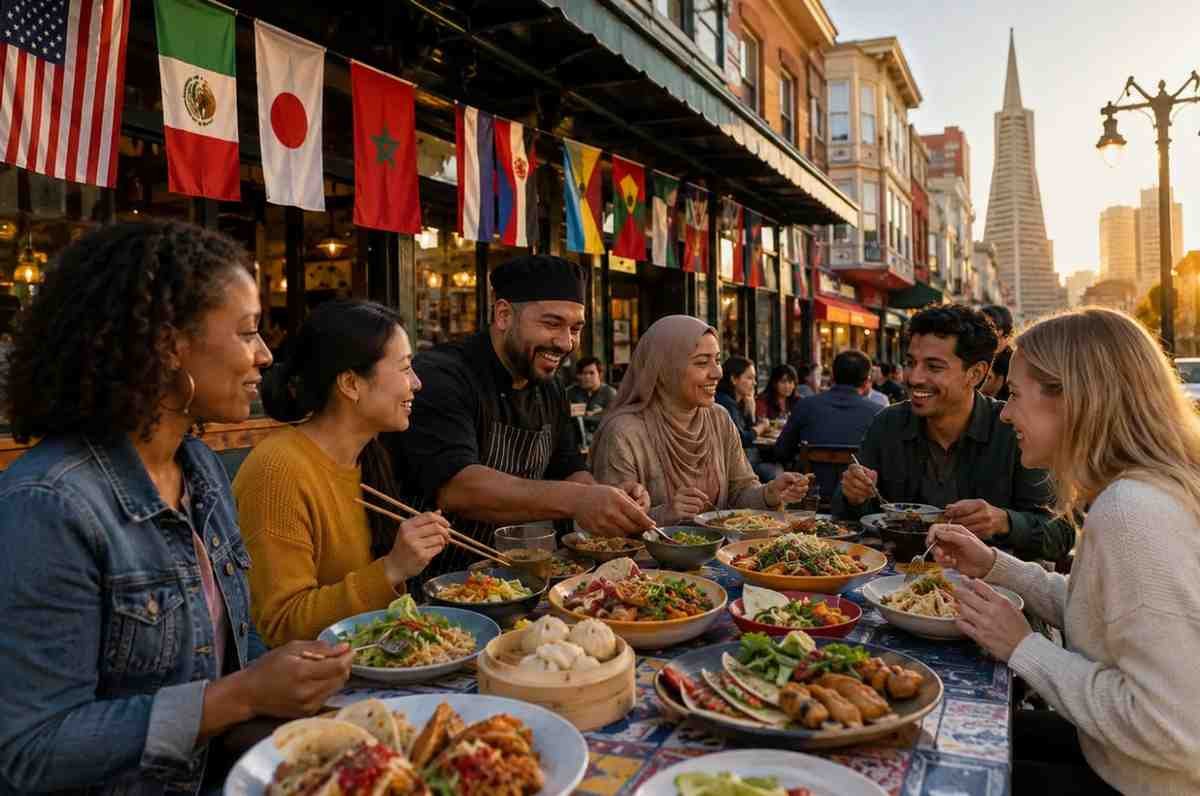
Few dining cultures remain unchanged over time. Migration, travel, and cultural exchange continuously influence how communities eat and socialize. As new residents arrive, they bring culinary traditions that gradually become part of the local food scene.
This blending of cultures often creates some of the most vibrant dining environments. A neighborhood may feature traditional regional cuisine alongside international restaurants, fusion concepts, and multicultural food markets. These businesses contribute to cultural diversity while expanding dining options for residents.
A diverse dining scene can also reveal how welcoming and inclusive a community is. The presence of different cuisines, adaptive menus, and multicultural food events often reflects openness to new ideas and experiences. Rather than replacing local traditions, these influences frequently enrich them.
What Dining Culture Says About Economic Health
The local food scene can provide valuable clues about a community’s economic vitality. Thriving neighborhoods often support a mix of independent restaurants, artisan bakeries, specialty food shops, and local markets.
Several signs often point to a healthy and engaged local economy:
- Strong support for family-owned restaurants and small businesses
- Active farmers markets and partnerships with local producers
- Regular food festivals, culinary events, and community gatherings
- Growth in unique dining concepts that reflect local creativity
When communities actively support local businesses, they help create jobs, strengthen neighborhood connections, and encourage long-term economic resilience.
How Travelers Can Better Understand A Place Through Food
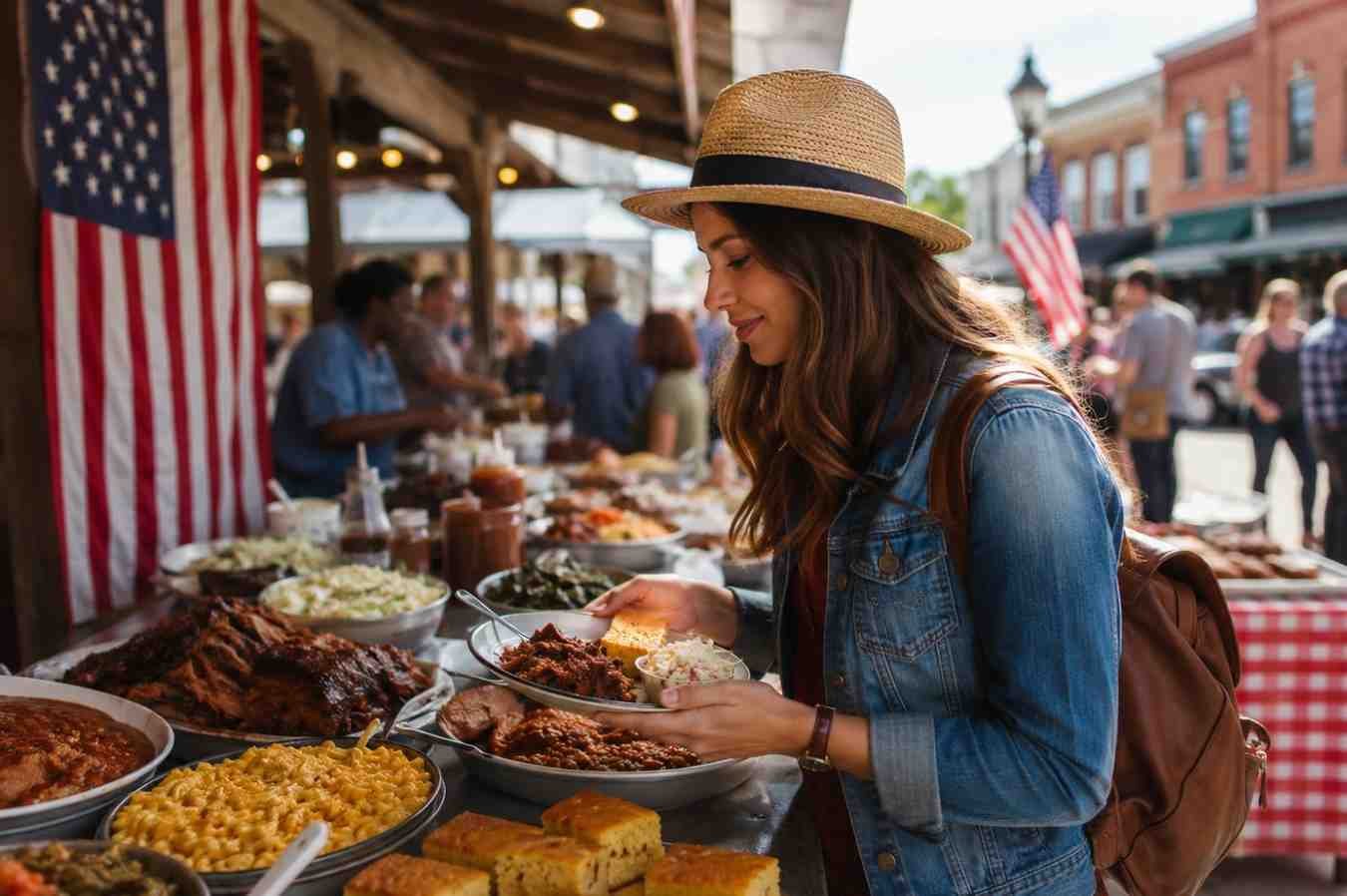
Travelers who want a deeper understanding of a destination often find that food provides the most authentic entry point. Dining where residents eat, exploring local markets, and learning about regional specialties can reveal aspects of daily life that traditional attractions may overlook.
Many visitors now seek food tourism experiences that focus on cultural connections rather than simply trying popular dishes. These experiences might include visiting farmers’ markets, participating in cooking workshops, or dining at long-established local restaurants that reflect the area’s culinary heritage.
The most memorable meals are often those that come with stories. Conversations with restaurant owners, chefs, and local residents can provide valuable insights into a community’s history, values, and traditions. Through food, visitors gain a more personal understanding of the places they explore.
Frequently Asked Questions: What Local Dining Culture Reveals About a Community
1. What is local dining culture?
Local dining culture refers to the food traditions, dining habits, culinary practices, and social customs that shape how people in a specific community prepare, share, and enjoy meals.
2. Why is local dining culture important?
It helps preserve cultural heritage, supports local businesses, strengthens community relationships, and provides insight into a region’s history, values, and identity.
3. How do restaurants reflect a community?
Restaurants often showcase local ingredients, traditions, and social customs. They also serve as gathering places where residents connect, celebrate, and maintain cultural practices.
4. How can travelers experience local dining culture authentically?
Travelers can visit neighborhood restaurants, explore farmers’ markets, attend food festivals, participate in cooking classes, and engage with local residents to learn about regional food traditions.
The Conversations That Stay Long After The Meal Ends
The most meaningful dining experiences are rarely defined by the food alone. They are shaped by the stories shared across the table, the traditions carried through generations, and the connections built between people. Local dining culture captures these moments and preserves them in ways that statistics or tourist attractions never can. Every menu, market, and neighborhood restaurant reflects a larger story about the people who call a place home.
Long after the meal is finished, it is often those stories that people remember most.