
A hotel stay should feel exciting, not like a mystery movie with suspicious hallway music. These hotel safety tips for women are simple habits I use to feel confident before arrival, during check-in, and inside the room, especially while traveling solo or exploring a new city.
For Women Who Travel Solo
Travel is more fun when your brain is not whispering, “Did that door actually lock?” Hotel safety tips for women matter because smart preparation turns nervous energy into calm control.
A little planning helps you avoid unsafe neighborhoods, poor lighting, awkward check-ins, weak locks, health surprises, and late-night transport stress. Think of it as packing confidence next to your charger.
Plan Before Arrival
Good hotel safety starts before your suitcase leaves home, so cheap hotel booking choices should protect your comfort, privacy, health, and movement.
Use A Private Booking Name
Use your first initial and last name when possible on reservation notes, luggage tags, and ride pickup details. It keeps your gender less obvious to strangers who may see screens.
Avoid announcing that you are traveling alone at counters, in lobbies, or during calls. A simple “someone is meeting me later” protects privacy without sounding dramatic.
Research The Location
Search the hotel address on Google Maps before booking. Check whether nearby streets look active, well-lit, and close to restaurants, pharmacies, transport, or rideshare pickup points.
Read recent reviews from solo female travelers and business travelers. Complaints about dark parking, broken locks, weak staff response, or unsafe surroundings are warning signs.
Prepare For Health And Delays
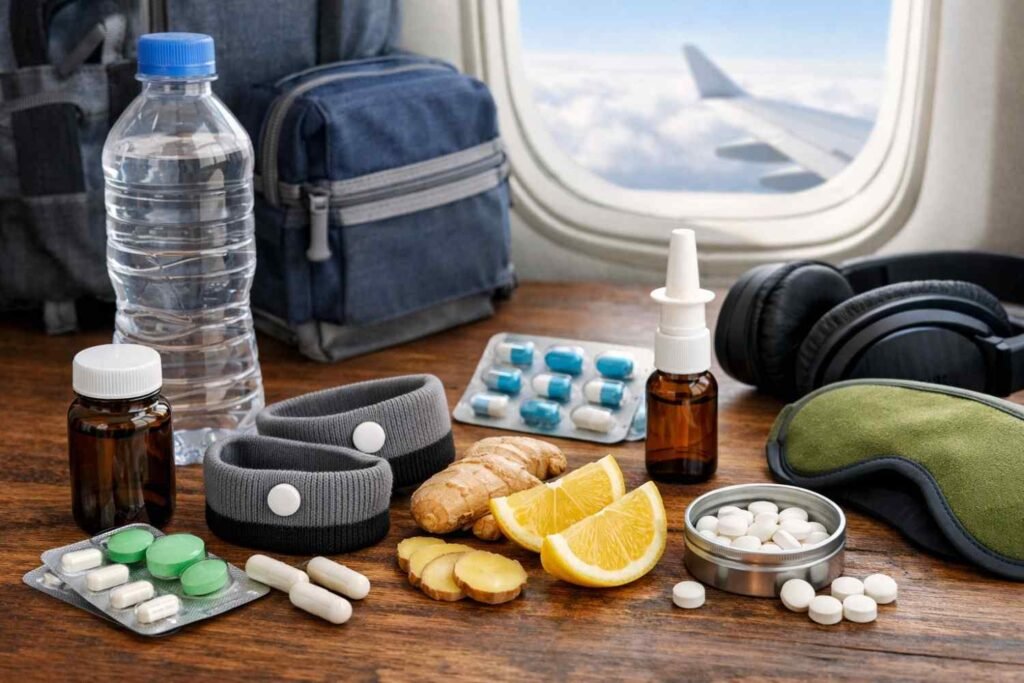
Pack prescriptions, allergy medicine, pain relief, sanitizer, menstrual hygiene products, and a snack in your carry-on. Safety also means not being stuck sick or hungry.
Save the hotel number, emergency number, nearest pharmacy, urgent care, and offline maps. Share your hotel name, address, confirmation details, and arrival time with someone trusted.
Check In Smart
Check-in is your first chance to protect your privacy, read the property, and ask for a safer room.
Request The Right Floor
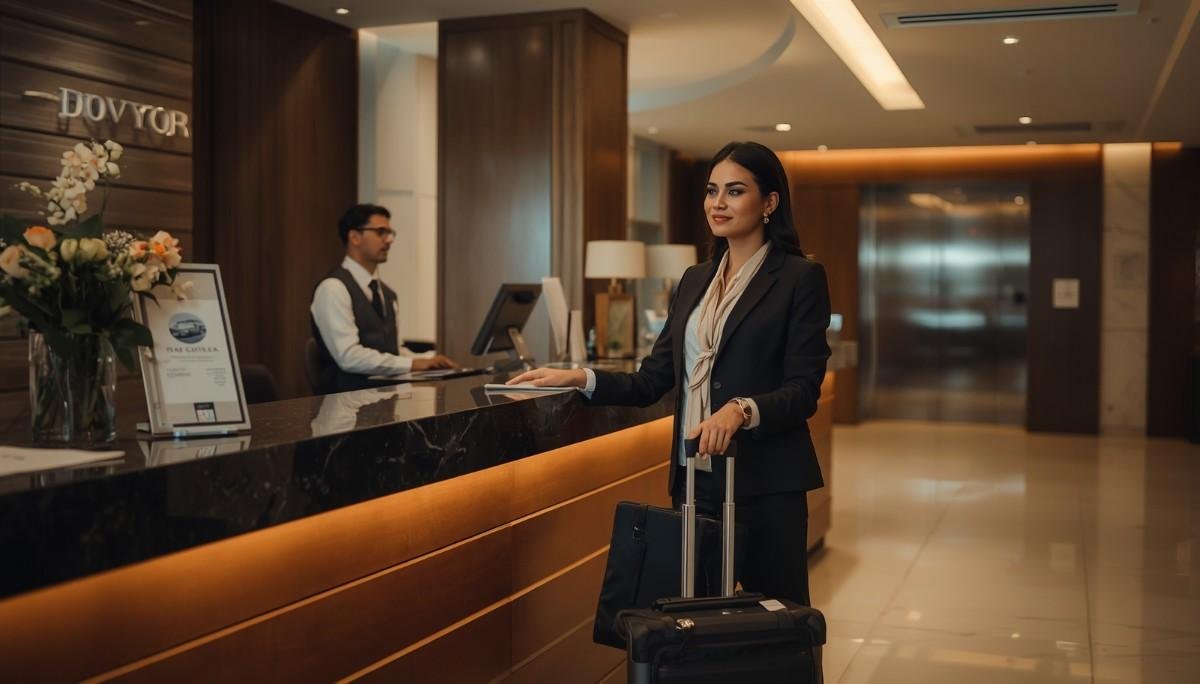
Ask for a room on the second through sixth floors. These rooms reduce street-level access, but may still be reachable by fire ladders.
Avoid ground-floor rooms, exterior doors, accessible fire escapes, and isolated stairwells. A room near elevators, but not directly beside them, often feels safer.
Protect Your Room Number
Hotel staff should never say your room number aloud. If they do, politely ask for a new room because your privacy has been compromised.
Keep your key card hidden, and do not discuss your floor with strangers in elevators, lobbies, bars, or rideshares.
Notice Staff Behavior
Attentive staff matter. Notice whether the desk team answers questions clearly, respects privacy, and handles room concerns seriously.
Introduce yourself to the front desk. They can help with safe transport, room changes, parking escorts, and local warnings after dark.
Hotel Safety Tips For Women In The Room
This how-to section shows hotel safety tips for women in real life, from the hallway door to a room that feels secure and ready for rest.
Do A Room Sweep
Before unpacking, let the door close fully, lock the deadbolt, and slide the security latch. Keep your bag near the door until you finish checking.
Look inside the bathroom, closet, shower, behind curtains, under the bed, near balcony doors, and around connecting doors. If anything feels off, leave and call reception.
Reinforce The Door
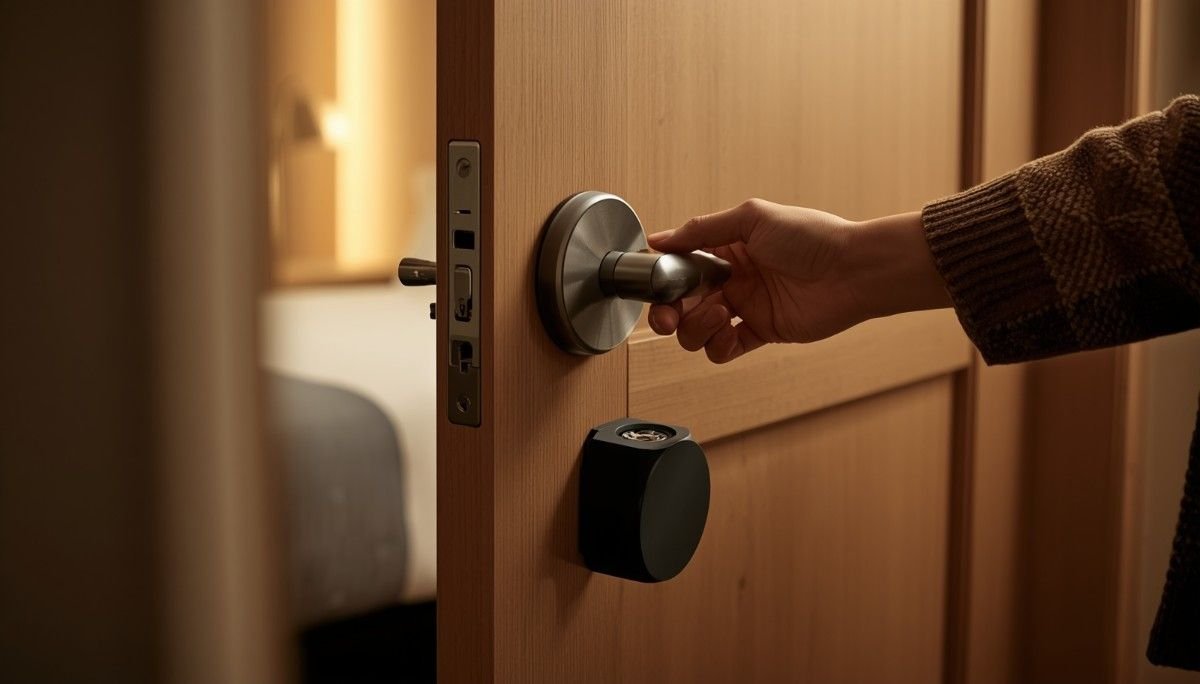
Use every built-in lock, including the deadbolt, latch, and security bar. For extra peace of mind, add a portable door lock, door alarm, or rubber door wedge.
These tools help in older hotels where doors may rattle. They should support hotel locks, not replace reporting broken hardware or unsafe rooms.
Set Up A Night Safety Zone
Keep your phone, charger, key card, shoes, medication, flashlight, and water near the bed. Test the room phone and know how to call reception.
Locate the nearest fire exit before sleeping. Count the doors to the stairwell so you can move safely in darkness, smoke, or a power outage.
Build Smart Room Habits
Your daily habits inside and outside the room can make the stay smoother, safer, and more private.
Verify Every Knock
Never open the door for unexpected staff, maintenance, room service, or delivery. Call the front desk first and ask if someone was sent to your room.
If the person pressures you, stay inside, speak through the door, and ask reception or security for help.
Make The Room Look Occupied
Use the “Do Not Disturb” sign while inside and consider leaving it up when you leave. Keep curtains closed enough that people cannot see inside.
Some travelers leave the TV on low before stepping out. Do not leave valuables visible, and use the safe only for items you do not need urgently.
Stay Aware In Shared Spaces
In elevators, stand near the buttons and avoid entering if someone makes you uncomfortable. Step back, wait, or exit in the lobby if needed.
In parking garages, keep keys ready, avoid distractions, and ask the front desk for an escort after dark.
Pack Light Safety Gear
The goal is not to carry a spy kit. The goal is to pack practical tools that solve common hotel and travel problems.
Carry Simple Security Tools
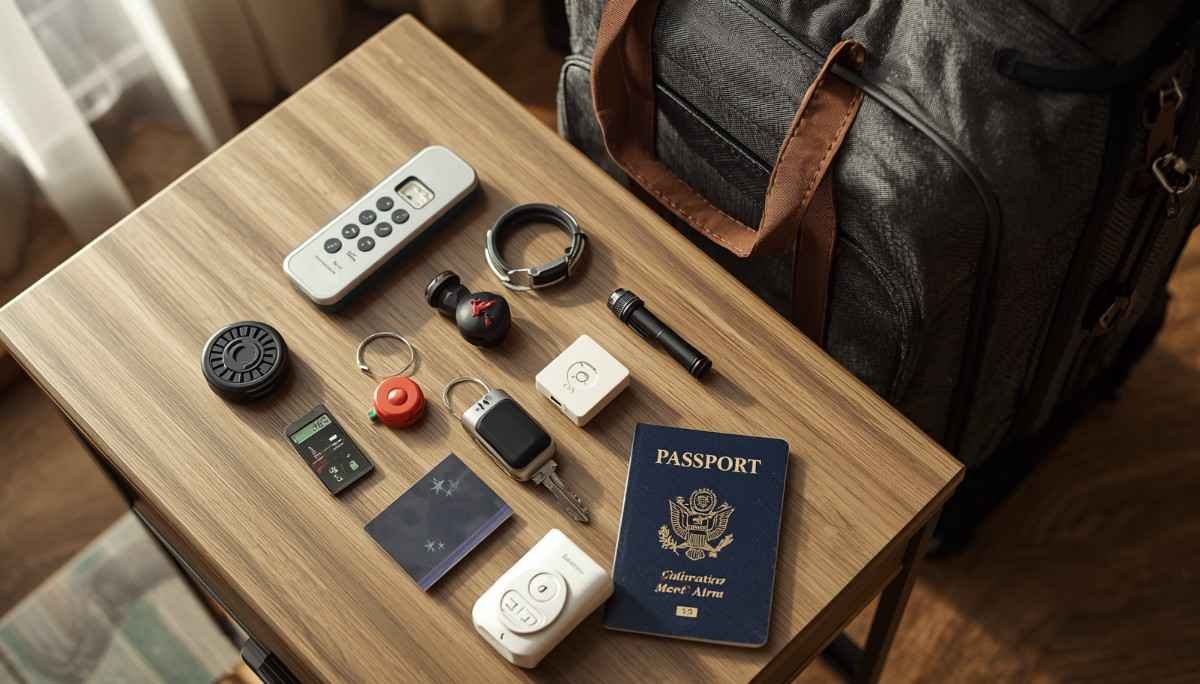
A portable door lock, rubber wedge, personal alarm, whistle, power bank, and compact flashlight can make solo hotel stays easier. Practice using them before your trip. Choose tools that fit your travel style. Confidence comes from knowing what to do, not owning gadgets you never tested.
Handle Privacy Concerns
Some travelers place tape over suspicious tiny lights, unused plugs, or odd holes near outlets. This can reduce worry, but it should be gentle and damage-free.
A washcloth can reduce latch rattling, but it is not a lock. You can lock doors without a lock too. Report suspicious devices, broken hardware, or privacy concerns to management immediately.
Reduce Germ Stress
High-touch areas like TV remotes, light switches, door handles, faucet handles, desks, and phones can collect germs. Wipe them before settling in. Keep luggage off the bed, wash hands often, and avoid placing toiletries directly on bathroom counters.
Frequently Asked Questions
1. How To Keep Yourself Safe In A Hotel Room As A Woman?
Lock the deadbolt and latch, inspect the room before unpacking, keep your room number private, verify unexpected knocks, reinforce the door, and keep essentials beside the bed.
2. Why Put A Washcloth In A Hotel Lock?
Some travelers use a washcloth to reduce rattling or add friction near a latch. It may offer comfort, but it should never replace a deadbolt, portable lock, or working hotel security.
3. Why Put Tape Over Plug In Hotel Room?
Travelers sometimes place tape over unusual lights, holes, or unused plug areas when worried about privacy. Do it gently, avoid damage, and report anything suspicious to hotel staff immediately.
4. What Is The Germiest Place In A Hotel Room?
The germiest places are usually high-touch items like remotes, light switches, faucet handles, phones, door handles, and desks. Wipe them early and wash your hands often.
Safe Stays, Big Adventures
Hotel safety tips for women are really about freedom. The better prepared you are, the easier it is to enjoy the lobby coffee, city views, business trip, girls’ getaway, or solo adventure.
Choose wisely, check in confidently, protect your privacy, build smart room habits, and let safety support the fun instead of stealing the spotlight.