Few travel experiences feel as challenging as stepping off a plane at sunrise after spending the night in a cramped seat. After several overnight journeys across different destinations, one lesson stands out: having a reliable red eye flight survival guide can completely change the travel experience. Whether you’re flying for a vacation, a business trip, or a family visit, the right preparation can help you arrive refreshed, energized, and ready to enjoy your destination.
Key Takeaways
- A successful red-eye flight starts with preparation before reaching the airport.
- Hydration, sleep-friendly habits, and proper clothing improve comfort significantly.
- A window seat and a consistent bedtime routine increase the chances of quality rest.
- Natural sunlight after landing helps reduce jet lag and improve alertness.
- Smart recovery habits can make your first travel day far more enjoyable.
Why Every Traveler Needs Red Eye Flight Survival
Overnight flights seem like a travel hack. You save daylight hours, avoid losing a full vacation day, and often find cheaper airfare. Unfortunately, what looks great on paper can feel very different at 35,000 feet.
Without a proper red eye flight survival guide, many travelers arrive tired, dehydrated, and struggling with jet lag. A few simple strategies can help you avoid common travel mistakes on weekend city break and make overnight flights much easier to handle.
Get Ready Before You Fly
Preparation begins long before boarding. Small decisions made during the day can have a major impact on how well you sleep in the air.
Many travelers focus only on the flight itself. Experienced travelers know that the hours leading up to departure are just as important for reducing fatigue and improving recovery.
Eat Smart Before Departure
Food choices matter more than most people realize during overnight travel.
Skip heavy, greasy, or overly salty airport meals that can leave you feeling bloated and uncomfortable during the flight. Instead, choose a balanced meal that includes protein, whole grains, and vegetables before heading to the airport.
Healthy snacks can also help maintain energy levels. Nuts, fruit, and protein-rich options provide nourishment without causing digestive discomfort during long flights.
Manage Your Sleep Window
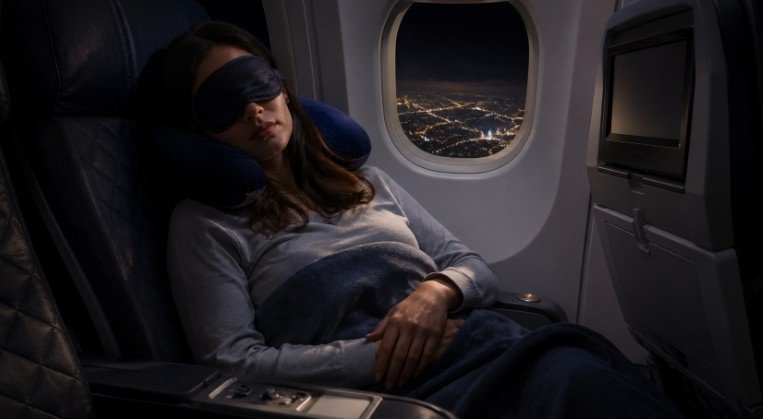
Creating the right conditions for sleep starts early. Try cutting off caffeine by early afternoon on departure day. Coffee, energy drinks, and caffeinated sodas can interfere with your ability to fall asleep once you’re on board. If possible, avoid oversleeping before the trip. Building a little sleep pressure can make it easier to rest during the flight.
Pack For Better Comfort
A few travel essentials can dramatically improve your overnight experience.
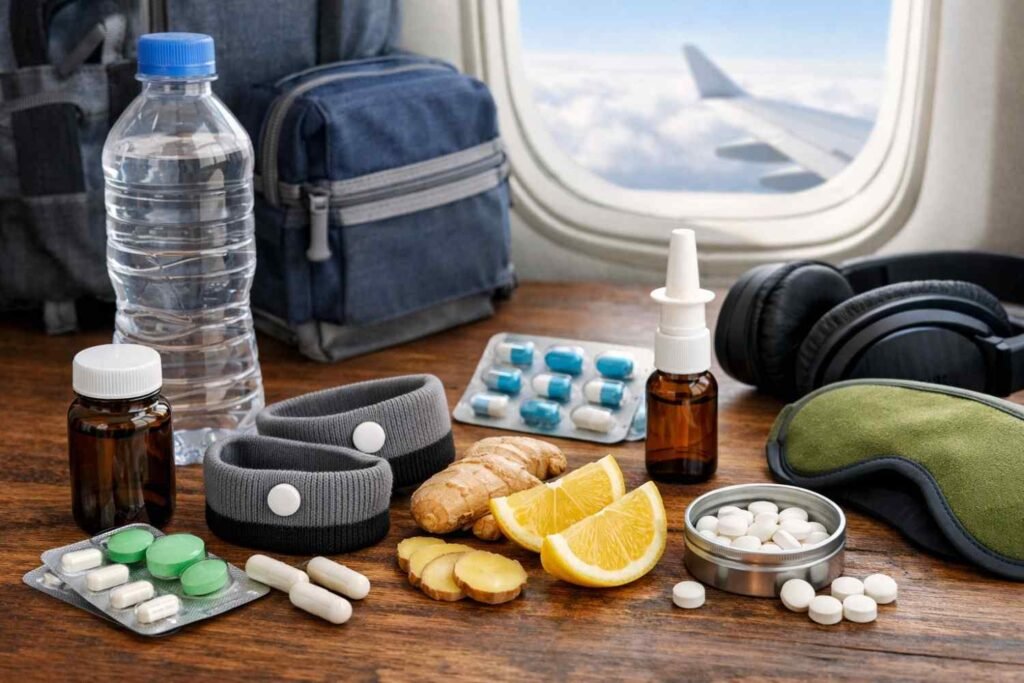
Keep an eye mask, neck pillow, earplugs, noise-canceling headphones, moisturizer, and a refillable water bottle within easy reach. Having everything accessible prevents unnecessary disruptions once the cabin lights dim.
Create The Perfect Sleep Zone In The Air
The airplane cabin may never feel like a luxury hotel room, but it can become much more sleep-friendly with the right approach.
The goal is not necessarily perfect sleep. The goal is maximizing rest and reducing exhaustion upon arrival.
Control Your Environment
Cabin noise and bright lights are among the biggest sleep disruptors during overnight flights. Put on an eye mask as soon as the cabin lights begin to dim. Earplugs combined with noise-canceling headphones can significantly reduce background noise and create a more relaxing environment. Even small improvements to your surroundings can make a noticeable difference in sleep quality during a red-eye flight.
Recreate Your Bedtime Routine
The brain responds well to familiar habits. Brushing your teeth before settling into your seat or shortly after takeoff sends a subtle signal that it is time to sleep. Simple routines help your body transition from travel mode to rest mode.
Avoid excessive screen time during this period. Bright screens can interfere with the body’s natural sleep signals and make it harder to drift off.
Stay Hydrated Throughout The Flight
Airplane cabins contain extremely low humidity levels. Regularly sipping water throughout the flight helps reduce headaches, dry skin, fatigue, and general discomfort. Staying hydrated also supports better circulation and overall wellness during travel. Alcohol may seem relaxing, but it often disrupts sleep quality and contributes to dehydration.
Dress For Overnight Travel Success
What you wear can affect how comfortable you feel for hours. Overnight travel often involves fluctuating cabin temperatures, making flexibility essential.
Choose Comfortable Clothing
Tight clothing can become uncomfortable during long flights. Loose-fitting outfits allow better circulation and freedom of movement. Breathable fabrics can help regulate body temperature throughout the journey. Comfort should always take priority over appearance during overnight travel.
Layer For Changing Temperatures
Airplane cabins can shift from warm to chilly within a short period. Wearing layers allows you to adjust easily without relying entirely on airline blankets. A lightweight hoodie or travel jacket often provides the perfect balance of warmth and convenience.
Don’t Forget Your Feet
Feet and ankles often swell slightly during flights. Comfortable socks and slip-on shoes can improve circulation and make walking around the cabin easier during longer journeys.
Pick The Best Seat For Sleeping
Seat selection remains one of the most overlooked aspects of overnight travel. Choosing the right location can dramatically improve your chances of getting meaningful rest.
Why Window Seats Win
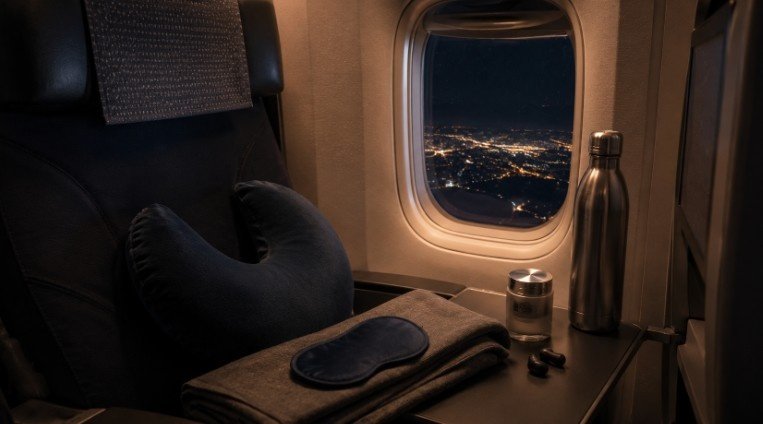
For most travelers, the window seat is the best choice. The aircraft wall provides something to lean against while sleeping. You are also less likely to be disturbed by neighboring passengers getting up during the flight. Having control over the window shade can also help maintain a darker environment.
Avoid High-Traffic Areas
Certain sections of the cabin experience more interruptions. Seats near lavatories, galleys, and major walkways tend to be noisier and busier throughout the flight. Selecting a quieter area can improve comfort and reduce sleep disruptions.
Refresh And Recover After Landing
The flight may be over, but recovery is just beginning. What you do during the first few hours after arrival often determines how quickly your body adjusts.
Prepare Before Descent
Use the final portion of the flight wisely.
Drink water, wash your face, apply moisturizer, and freshen up before landing. These simple actions can help you feel more awake and prepared for the day ahead.
Keeping a travel toothbrush accessible allows for a quick refresh before exiting the aircraft.
Step Into The Sunlight
Natural light is one of the most effective tools for combating jet lag. Spending time outdoors shortly after arriving helps reset your internal clock and encourages faster adaptation to the destination’s time zone. Even a short walk outside the airport can be beneficial.
Enjoy Coffee At The Right Time
Timing matters when it comes to caffeine. Once you have rehydrated and settled into the destination schedule, a morning coffee can help improve alertness and support your transition into the local time zone.
Smart Travel Habits For Long-Term Success

Frequent travelers often rely on consistent habits rather than quick fixes.
Planning arrival activities carefully, staying active during the flight, and prioritizing hydration can help reduce travel fatigue across every trip.
The best travel experiences start with feeling physically and mentally ready to enjoy the destination. Overnight flights become much easier when viewed as a manageable part of the journey rather than an obstacle.
Frequently Asked Questions
1. Why should you avoid seat 11A on a plane?
Seat 11A is sometimes known for having a missing or poorly aligned window on certain aircraft models. While not universal across all airlines, travelers who enjoy outside views may find the experience disappointing.
2. What is the 3 to 1 rule for pilots?
The 3-to-1 rule helps pilots plan descents efficiently. For every 1,000 feet of altitude they need to lose, they generally begin descending about three nautical miles before reaching the target altitude.
3. What is the age limit for senior citizens to fly?
Commercial airlines typically do not impose a maximum age limit for passengers. As long as an individual is medically fit to travel and meets airline requirements, flying is generally permitted regardless of age.
4. What’s the worst airline to fly right now?
There is no single airline that can objectively be considered the worst. Service quality, delays, customer satisfaction, routes, and traveler expectations vary widely, making experiences different for every passenger.
Your Red Eye Flight Survival
A successful overnight journey is rarely about getting perfect sleep. It is about managing comfort, hydration, timing, and recovery effectively. Following a practical red eye flight survival guide helps reduce jet lag, improve energy levels, and make travel days more enjoyable.
With thoughtful planning before departure, smart habits during the flight, and the right recovery strategy after landing, you can arrive feeling ready for new adventures instead of searching for the nearest place to nap.