

A cheap flight deal can feel like a victory until unexpected changes force you to cancel your trip. That is why understanding refundable vs non refundable flight tickets is so important. The right choice can protect your travel budget, reduce stress, and give you flexibility when life throws surprises your way.
Key Takeaways
- Refundable tickets provide cash refunds but cost considerably more.
- Non-refundable tickets are cheaper and often offer travel credits instead of refunds.
- Basic Economy fares usually have the strictest cancellation rules.
- The 24-hour cancellation rule can protect travelers from booking mistakes.
- Travel insurance can add flexibility without paying for a refundable fare.
Why Travelers Need To Know This
Understanding refundable vs non refundable flight tickets can save travelers from costly mistakes. Travel plans often change because of weather issues, family emergencies, health concerns, work commitments, or visa delays.
Many travelers focus only on the lowest airfare and overlook cancellation policies. Knowing how different ticket types work helps you choose the best option before clicking the booking button.
What Are Refundable Flight Tickets?
Refundable tickets offer the highest level of booking flexibility.
How Refundable Tickets Work
A refundable ticket allows you to cancel your reservation and receive a full cash refund to the original payment method. Airlines charge more for this flexibility because they assume more financial risk.
Many business travelers choose refundable fares because meetings, conferences, and schedules can change with little notice. The ability to recover the full ticket cost often outweighs the higher fare.
Main Benefits Of Refundable Fares
The biggest advantage is flexibility. Travelers can modify plans without worrying about losing the value of their ticket.
Refundable fares also provide peace of mind when planning international travel, waiting for visa approval, managing medical appointments, or coordinating complex family trips.
Downsides To Consider
Refundable tickets usually cost 20% to 50% more than standard non-refundable fares. In some cases, they may even cost nearly double.
For travelers with fixed vacation dates, paying extra for flexibility may not provide enough value to justify the additional expense.
Understanding Non Refundable Flight Tickets
Non-refundable tickets remain the most popular airfare option.
Why Most Travelers Choose Them
Non-refundable tickets are significantly cheaper than refundable fares. This makes them attractive for vacationers and budget-conscious travelers.
Most airlines now allow changes or cancellations in exchange for a future flight credit. While cash refunds are uncommon, travelers may still recover part of the ticket’s value.
The Advantages Of Lower Fares
The primary benefit is affordability. Travelers can often save substantial money by choosing a non-refundable fare.
For families, students, and leisure travelers, these savings can be used toward hotels, attractions, meals, or travel experiences.
Limitations You Should Know
The biggest drawback is that cancellations rarely result in cash refunds. Instead, airlines usually issue credits or vouchers tied to the traveler’s account.
These credits often expire within a year and may come with restrictions that limit future booking flexibility.
Side-By-Side Comparison
Choosing between cheap flight fares and types becomes easier when comparing the key differences.
Cost Difference

Refundable tickets cost more because they provide complete flexibility and cash-back protection. Non-refundable tickets offer lower upfront prices, making them ideal for travelers who are confident their plans will not change.
Cancellation Options
Refundable fares generally allow cancellation at any time with a full refund returned to the original payment method. Non-refundable fares typically provide flight credits or vouchers instead of cash, depending on airline policies.
Best Use Cases
Refundable fares work best for business travel, uncertain schedules, and trips involving medical or personal uncertainties. Non-refundable fares are usually the better choice for vacations with fixed dates and predictable travel plans.
Beware Of Basic Economy Fares
Not all non-refundable tickets offer the same flexibility.
Why Basic Economy Is Different
Basic Economy or Saver fares often come with strict restrictions. These tickets may be completely non-changeable and non-refundable. Many travelers are attracted by the lower price without realizing how limited these fares can be.
Risks Of Booking The Cheapest Fare
Missing a flight or cancelling a Basic Economy reservation can result in losing the entire ticket value. Before booking, travelers should carefully review fare rules to understand what protections are included.
The 24-Hour Rule Every Traveler Should Know
This consumer protection rule can save money and reduce booking stress.
How The Rule Works
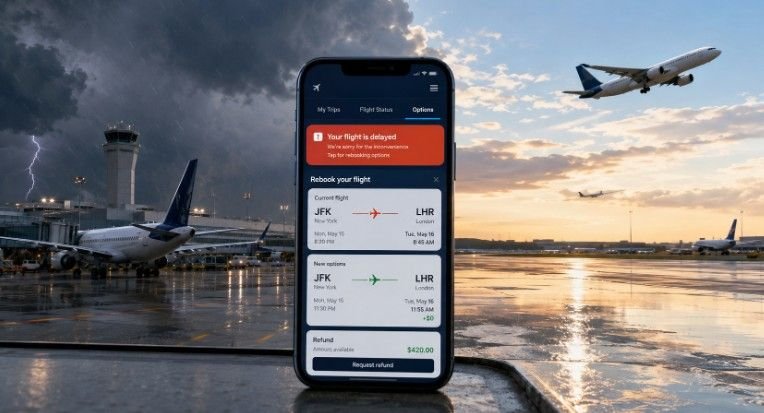
Under U.S. Department of Transportation regulations, travelers can receive a full refund when cancelling within 24 hours of booking. This applies to flights to, from, or within the United States when the departure date is at least seven days away.
Why It Matters
The rule allows travelers to correct booking mistakes, compare fares, or reconsider plans without financial penalties. Many travelers are unaware of this protection and miss an opportunity to cancel risk-free.
Smart Ways To Choose The Right Ticket
Selecting the right fare starts with understanding your travel situation.
Evaluate Your Schedule
Travelers with unpredictable work obligations, health concerns, or pending approvals should consider refundable fares. Those with fixed vacation dates may benefit more from the savings offered by non-refundable tickets.
Compare Insurance Costs
Sometimes travel insurance costs less than upgrading to a refundable ticket. Comparing both options helps travelers find the right balance between flexibility and affordability.
Think About Potential Changes
Before booking, consider the likelihood of rescheduling, cancelling, or modifying the trip. The more uncertainty involved, the more valuable flexibility becomes.
Deciding on Refundable vs Non Refundable Flight Tickets In Real Life
Applying refundable vs non refundable flight tickets to real-world travel decisions starts with assessing risk.

- First, determine how certain your travel dates are.
- Next, compare the fare difference between ticket types. Then review cancellation rules and available travel insurance options.
- Finally, consider factors like health concerns, family commitments, business obligations, and international travel requirements.
This simple process helps travelers make confident booking decisions while avoiding unnecessary expenses.
Frequently Asked Questions
1. Are non-refundable airline tickets really non-refundable?
Not always. Many airlines now offer travel credits or vouchers when non-refundable tickets are cancelled. Certain situations, including airline schedule changes and special circumstances, may also qualify for refunds.
2. What is the difference between refundable and non-refundable airline tickets?
Refundable tickets provide a full cash refund to the original payment method after cancellation. Non-refundable tickets usually offer credits or vouchers instead of cash refunds and often come with more restrictions.
3. Are refundable flight tickets worth it?
Refundable tickets are worth considering when travel plans are uncertain due to business obligations, health concerns, visa approvals, or family commitments that could require last-minute changes.
4. What if I cancel my non-refundable flight?
Most airlines will issue a travel credit or voucher rather than a cash refund. The value can usually be applied toward future travel, subject to expiration dates and airline rules.
Boarding Pass To Smarter Travel Decisions
Understanding refundable vs non refundable flight tickets helps travelers balance flexibility, protection, and cost. Refundable fares offer valuable peace of mind and cash-back security, while non-refundable options provide significant savings for travelers with fixed plans.
By reviewing fare rules, considering travel insurance, understanding Basic Economy restrictions, and using the 24-hour cancellation rule when needed, you can confidently choose the ticket that best fits your travel goals and budget.