
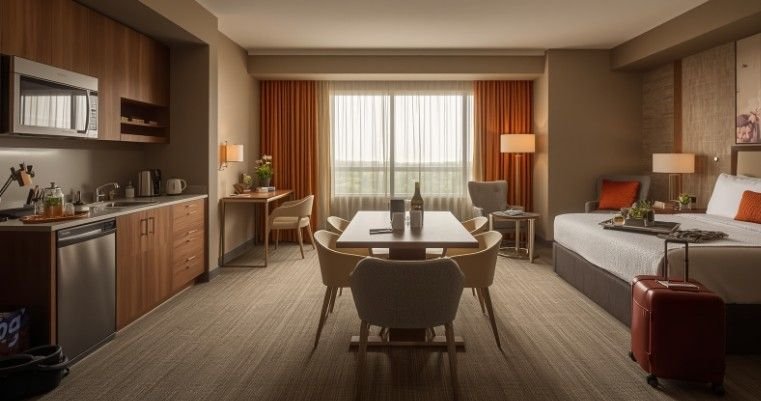
Planning a trip that lasts more than a few days can quickly become expensive and exhausting. Between eating out, doing laundry, and working from a small hotel room, comfort often takes a back seat. That’s why understanding what is an extended stay hotel can help travelers find a practical and affordable accommodation solution that feels much more like home.
Key Takeaways
- Extended stay hotels are built for guests staying a week, a month, or longer.
- They offer kitchens, laundry facilities, workspaces, and flexible booking options.
- Weekly and monthly rates are usually more affordable than standard hotel pricing.
- They are ideal for business travel, relocations, medical visits, and temporary housing.
- Long-term guests enjoy greater comfort, privacy, and independence during their stay.
Why Would You Want An Extended Stay At Hotels?
Longer trips come with challenges that many travelers do not expect.
Whether you’re relocating to a new city, working on a temporary assignment, or waiting for home renovations to finish, staying in a traditional hotel can feel restrictive after a few days. Small rooms, restaurant bills, and limited storage often become frustrating.
That is why searches for what is an extended stay hotel continue to grow. Travelers are looking for accommodation that combines the convenience of a hotel with the comfort and flexibility of an apartment.
What Is An Extended Stay Hotel?
Understanding the concept helps travelers choose the right accommodation for longer visits.
Built For Longer Living
An extended stay hotel is designed for guests staying a week, a month, or even longer. These properties bridge the gap between traditional hotels and residential apartments by offering larger living spaces and home-style amenities.
Unlike standard hotel rooms that focus on short visits, extended stay accommodations are created to support everyday living. Guests can cook, work, relax, and maintain routines while away from home.
A Balance Between Home And Hospitality
Extended stay lodging combines hotel convenience with apartment-style comfort. Guests receive professional hospitality services while enjoying greater privacy and independence during their stay.
This accommodation style has become increasingly popular among business travelers, relocating families, healthcare workers, contractors, and digital nomads who need a temporary home.
Core Features And Amenities
The biggest advantage of an extended stay hotel is the ability to live comfortably for longer periods.
In-Suite Kitchens
Most extended stay suites include a full kitchen or a large kitchenette. Guests typically have access to a refrigerator, microwave, stovetop, sink, cookware, and dining space.
Having a kitchen reduces dining expenses and makes it easier to maintain healthy eating habits during long trips. This is particularly useful for families, business travelers, and guests with dietary restrictions.
Laundry And Work-Friendly Spaces
Extended stay properties usually provide self-service laundry facilities. Instead of paying premium hotel laundry fees, guests can wash clothes conveniently whenever needed.
Rooms also feature dedicated workspaces with reliable internet access. Larger layouts create a more productive environment for remote workers and corporate travelers.
Utilities And Pet-Friendly Benefits
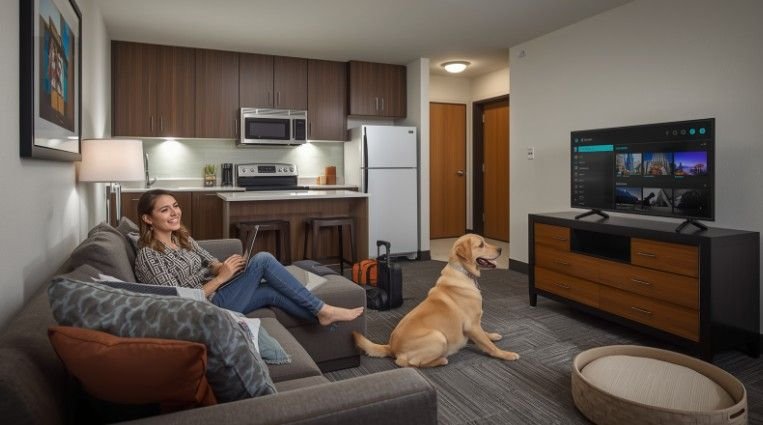
Electricity, water, Wi-Fi, and entertainment services are typically included in the room rate. Guests avoid the hassle of setting up utilities or paying separate monthly bills.
Many extended stay brands are also pet-friendly, making them an attractive option for travelers relocating with their furry companions.
How Extended Stay Hotels Differ From Traditional Hotels
Although both offer accommodation, their purpose and design are very different.
Length Of Stay Matters
Traditional hotels mainly serve guests staying two or three nights. Extended stay hotels focus on travelers who need accommodation for several days, weeks, or months.
The entire guest experience is built around longer stays. Larger rooms, practical amenities, and flexible booking arrangements support this goal.
Different Pricing Structures
One of the biggest distinctions is pricing. Extended stay properties often reward longer bookings with discounted weekly and monthly rates.
The longer a guest stays, the lower the average nightly cost often becomes. This creates significant savings compared to booking a standard hotel room for several weeks.
Service Style And Guest Experience
Traditional hotels emphasize daily housekeeping, room service, and luxury amenities. Extended stay accommodations prioritize privacy, self-sufficiency, and residential comfort.
Housekeeping is often provided weekly rather than daily, giving guests more control over their living space while reducing operational costs.
Extended Stay Hotel Vs Airbnb
Many travelers compare these options before making a booking decision.
Consistency You Can Trust
Extended stay hotels provide predictable standards across locations. Guests know what amenities and services to expect before arrival. With vacation rentals, the experience can vary significantly depending on the host and property management.
Better Support During Longer Visits

Hotels offer front desk assistance, maintenance services, and professional customer support. If issues arise, guests usually receive quicker solutions. This added reliability can be especially valuable during business trips, relocations, or extended family stays.
Popular Extended Stay Brands In The United States
Several hotel chains specialize in long-term accommodation.
Budget-Friendly Choices
Travelers looking for cheap hotel options often choose brands such as Extended Stay America and Intown Suites. These properties focus on value and practical amenities.
They are popular among guests seeking temporary housing, work assignments, or budget-conscious long-term stays.
Midscale And Premium Options
Candlewood Suites and Home2 Suites by Hilton offer enhanced amenities while maintaining a comfortable residential atmosphere.
For travelers seeking upscale experiences, Hyatt House, Residence Inn by Marriott, and Element by Westin provide larger suites, premium facilities, and additional services.
Real-Life Uses Of What Is An Extended Stay Hotel
Understanding practical applications helps travelers determine whether this accommodation style meets their needs.
Temporary Housing Solutions
People moving to a new city often need time to find permanent housing. Extended stay hotels provide a comfortable place to live during the transition. Guests avoid signing leases while maintaining access to essential home-style amenities.
Business And Project Travel

Corporate travelers frequently spend weeks or months working on projects away from home. Extended stay lodging offers dedicated workspaces, reliable internet, and a comfortable environment. These features help maintain productivity while reducing travel-related stress.
Medical And Family Travel
Families traveling for medical treatment or caregiving responsibilities often require accommodation for extended periods.
Access to kitchens, laundry facilities, and larger living spaces helps reduce costs and improve comfort during challenging situations.
How To Choose The Right Extended Stay Hotel
Finding the right property requires a little planning.
Start by determining the expected length of your stay and comparing weekly or monthly pricing options. Properties often offer substantial savings for longer bookings.
Next, evaluate amenities that support your daily routine. A kitchen, laundry facilities, workspace, fitness center, and convenient location can significantly improve the overall experience.
Finally, review guest ratings and nearby services such as grocery stores, pharmacies, hospitals, and public transportation. Taking these steps ensures that what is an extended stay hotel becomes a practical solution rather than just another accommodation choice.
Frequently Asked Questions
1. What is the meaning of extended stay hotel?
An extended stay hotel is a property designed for guests staying a week, a month, or longer. It combines hotel services with apartment-style amenities such as kitchens, laundry facilities, and flexible booking options.
2. Can you live in a hotel and pay monthly?
Yes. Many extended stay hotels offer monthly rates specifically designed for long-term guests. These accommodations provide utilities, furnished living spaces, and practical amenities without requiring a traditional lease agreement.
3. Why are extended stays so cheap?
Extended stay hotels often reduce costs through weekly housekeeping schedules and longer guest occupancy. In return, they pass savings to travelers through discounted weekly and monthly rates.
4. How long can a person stay at an extended stay hotel?
The maximum stay depends on local regulations and property policies. Many extended stay hotels allow guests to stay for several weeks or multiple months when availability permits.
Your Long-Term Travel Secret Weapon
Now that you know what is an extended stay hotel, it becomes easy to see why this accommodation style continues to grow in popularity. Combining the flexibility of an apartment with the convenience of a hotel, extended stay properties provide practical solutions for business travel, relocations, temporary housing, and family needs. For travelers seeking comfort, affordability, and independence, an extended stay hotel often delivers the best of both worlds.