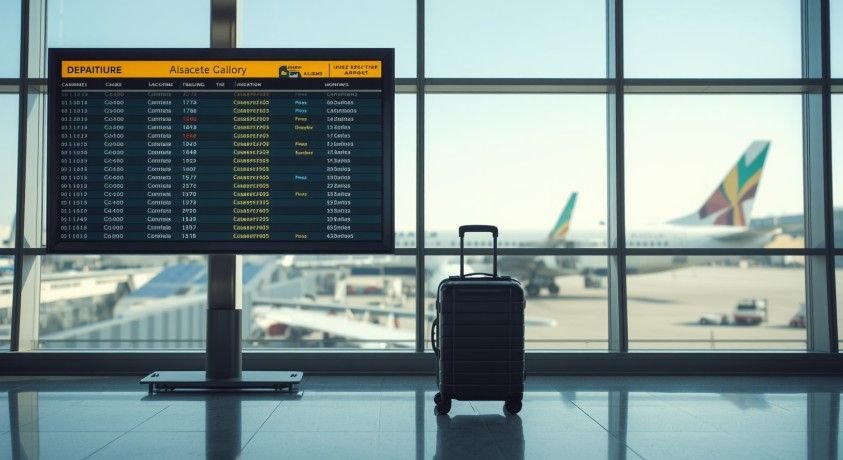

Flying feels simple until the final price changes at checkout. I have seen a cheap ticket become expensive just because one checked bag, one carry-on rule, or one overweight suitcase was missed. That is why understanding airline baggage fees matters before you book, not after you reach the airport.
Baggage costs can depend on the airline, route, fare class, cabin, loyalty status, credit card benefits, and even when you pay for the bag. Once you know how these fees work, it becomes much easier to compare flights properly and avoid paying more than expected.
What Airline Baggage Fees Really Mean
Airline baggage fees are extra charges for bringing luggage beyond what your ticket automatically includes. Some fares include a personal item only. Others include a carry-on, one checked bag, or more depending on the cabin. The confusing part is that airlines do not all follow the same rule.
A personal item usually means a small backpack, purse, laptop bag, or compact tote that fits under the seat. A carry-on goes in the overhead bin. A checked bag is handed over before security and collected after landing. These three baggage types often have different rules, sizes, and costs.
Why Baggage Fees Change from Ticket to Ticket
The same airline can charge different baggage fees on different trips. A short domestic flight may have one fee, while an international route may include a checked bag or charge more based on destination. Fare class also matters. Basic economy often looks cheaper at first, but it may limit carry-ons, seat selection, changes, and checked bag benefits.
Cabin class can also change the rule. Main cabin, premium economy, business, and first class may each include different baggage allowances. Loyalty members and airline credit cards holders may receive free checked bags, priority boarding, or waived fees. That is why the lowest fare on the search page is not always the cheapest final choice.
Personal Item, Carry-On, and Checked Bag Rules
A personal item is usually the safest free option, but it must fit under the seat. Airlines can be strict about size, especially on packed flights or low-cost routes. A carry-on is larger, but some cheaper fares may charge for it or restrict it.
Checked bags are where most travelers see extra costs. The first checked bag may cost less than the second. A third bag can be much more expensive. Families, long-trip travelers, and people carrying sports gear should check these costs before buying the ticket.
Common Fees Travelers Miss

Many travelers only look at the first checked bag fee and forget the other charges. Overweight baggage fees can be expensive if your suitcase crosses the allowed limit. Oversized fees may apply if the bag is too large, even if it is not very heavy. Sports equipment, musical instruments, pet carriers, and special items may follow separate rules.
Another easy mistake is waiting until the airport to pay. Some airlines charge less when baggage is added online before check-in. Others may charge more at the counter or gate. If a carry-on is not allowed with your fare and you bring it anyway, the gate fee can be higher than paying earlier.
How to Check Baggage Fees Before Buying
Before booking, open the airline’s baggage policy page and review your exact route. Do not rely only on a third-party booking page. Look for baggage allowance by fare type, carry-on rules, checked bag cost, weight limits, size limits, and special item rules.
Next, compare the full trip price, not just the ticket price. Add the cost of bags for both directions. A cheaper flight with two paid bags may cost more than a slightly higher fare that includes luggage. This is especially important for round trips, family vacations, holiday travel, and longer stays.
How to Avoid Paying More Than Necessary
The easiest way to save is to pack lighter. A well-packed personal item or carry-on can reduce checked bag costs. Use packing cubes, wear bulky shoes on the plane, and avoid bringing items you can buy cheaply after arrival.
if you are trying to lower the full trip cost, it also helps to understand on how to book cheap hotels so baggage, flights, and stays are planned with the same budget-friendly mindset.
Another smart move is to pay early. If your airline offers lower online baggage rates, add bags before the airport. Also check whether your travel credit card includes a free checked bag. Some cards offer baggage benefits only when you book directly with the airline or use that card to pay.
If you fly often, air flyer programs can help. Even basic membership may make it easier to track offers, while higher status can include baggage perks. For occasional travelers, comparing fare bundles may be better. A standard fare with a bag included can sometimes beat a basic fare after add-ons.
Before You Book Checklist
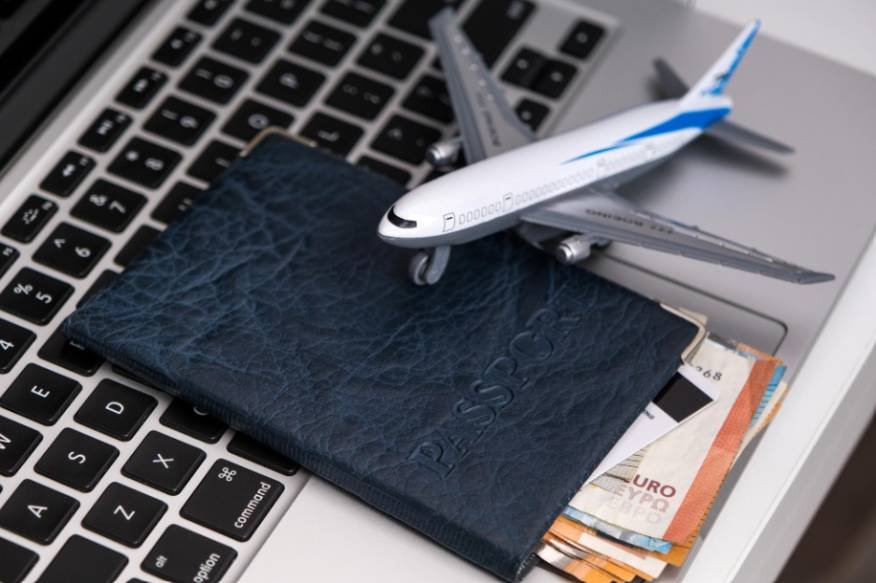
Check what your ticket includes before entering payment details. Confirm whether a personal item, carry-on, or checked bag is allowed. Review the first and second checked bag cost for each direction.
Look at weight and size limits. Check whether the basic economy has special restrictions. Compare the total price after baggage, seat, and other add-ons. Finally, screenshot or save the baggage policy in case rules are questioned later.
Mistakes That Make Baggage Fees Higher
Do not assume every airline includes a carry-on. Do not assume international flights always include checked luggage. Do not pack close to the weight limit without weighing your suitcase at home. Do not ignore return-flight baggage costs. Most importantly, do not choose the cheapest visible fare before checking the full travel cost.
It also helps to know how to handle flight delays and cancellations because baggage rules, receipts, and rebooking choices can matter even more when plans change.
Understanding baggage fees is really about reading the fine print before the airline makes the decision for you. Once you know what is included, what costs extra, and what can trigger penalties, booking becomes less stressful.
Frequently Asked Questions
1. What is the easiest way to learn How to understand airline baggage fees?
Start by checking your airline’s baggage page, then compare your fare class, route, carry-on allowance, checked bag cost, and weight limits.
2. Are carry-ons always free?
No. Many fares include a carry-on, but some basic economy or low-cost fares may charge for it or limit you to a personal item.
3. Why are checked bag fees different by airline?
Each airline sets its own baggage rules based on fare type, route, cabin class, loyalty benefits, and operational costs.
4. Is it cheaper to pay baggage fees online?
Often, yes. Some airlines charge less when bags are added online before check-in instead of at the airport.
Final Takeaways
I always treat baggage fees as part of the ticket price, not as an afterthought. A flight that looks cheap can quickly become expensive when luggage is added both ways. When I check baggage rules before booking, compare the full cost, and pack with the fare rules in mind, I feel more prepared and less likely to face surprise charges.
How to understand airline baggage fees is not just about saving money; it is about booking smarter and traveling with fewer last-minute problems.