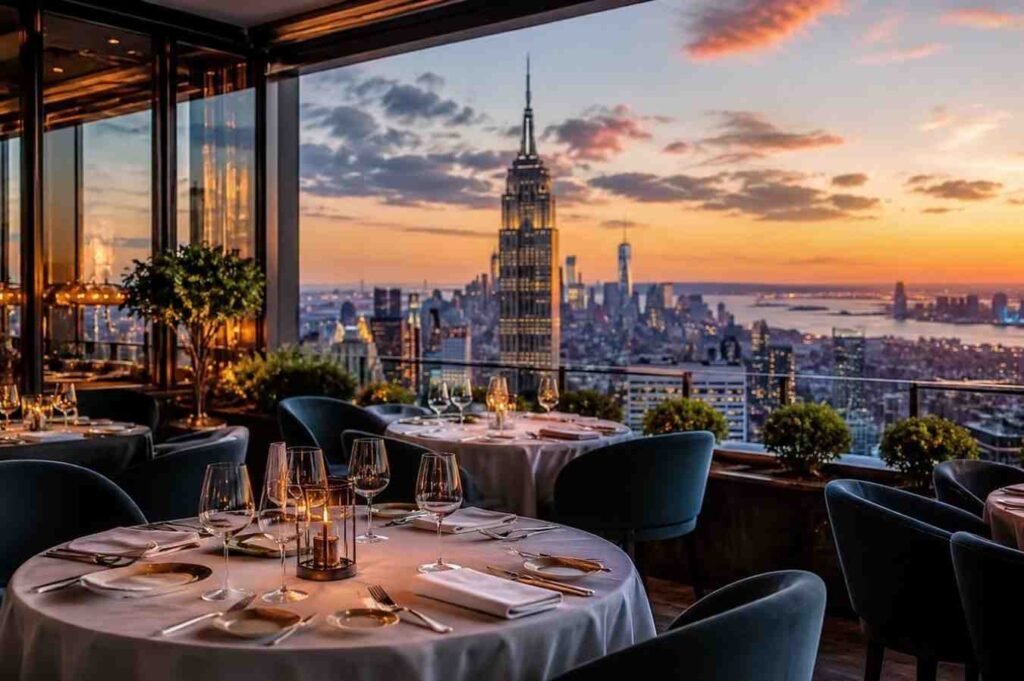
Travel has changed in recent years. More people are planning entire trips around a single meal, a famous chef, or a dining room they have dreamed about visiting for years. Restaurants are no longer just places to eat. They have become destinations in their own right, shaping itineraries and creating memories that often outlast the landmarks nearby.
That shift has made iconic restaurants to visit around the world more influential than ever. Some have earned their reputation through centuries of history, while others have pushed the boundaries of modern gastronomy. Whether you’re passionate about tasting menus, local food culture, or legendary dining rooms, these restaurants represent some of the most remarkable culinary destinations to experience in 2026.
What Makes A Restaurant Truly Iconic?
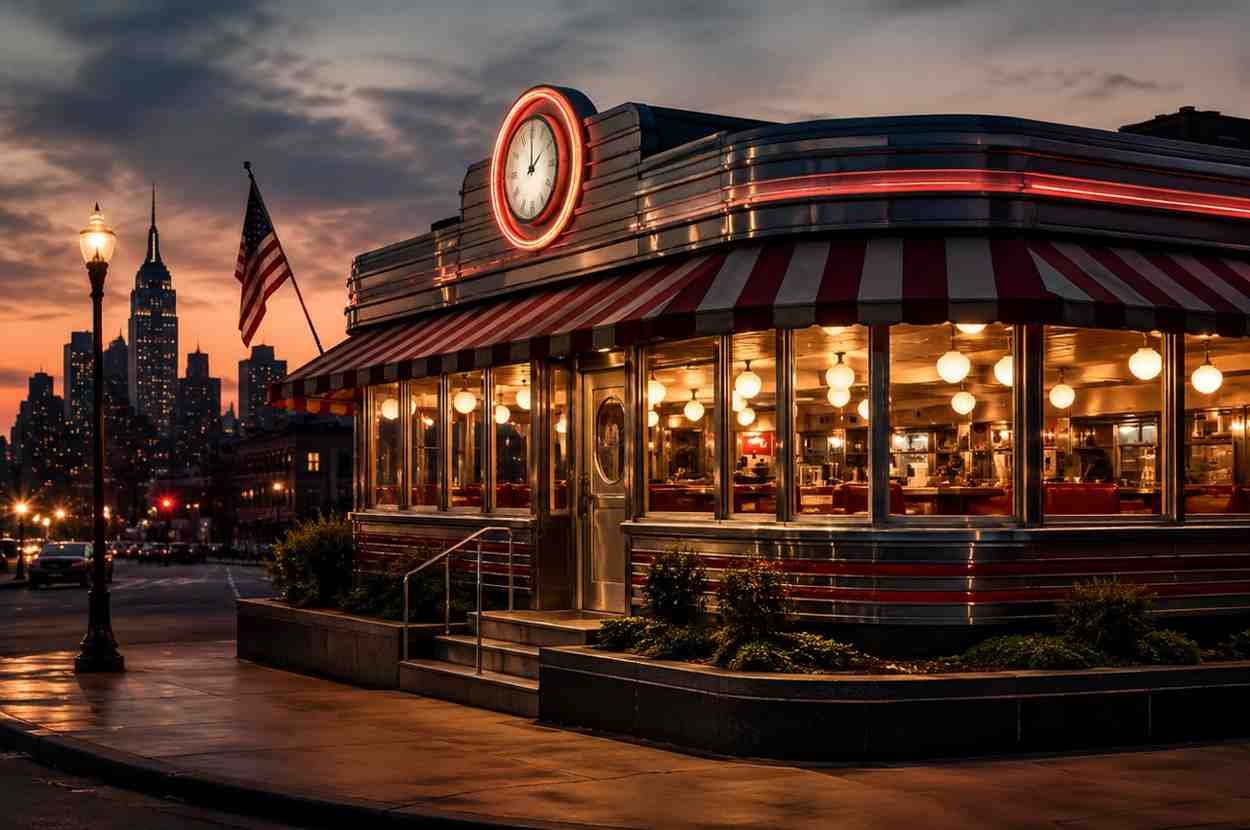
A truly iconic restaurant offers more than exceptional food. It creates an experience that becomes part of the story of a place. Guests remember the atmosphere, the service, the history, and the sense of occasion long after the meal ends.
Many of the world’s most renowned restaurants have also influenced the broader culinary landscape. They introduce new techniques, champion local ingredients, preserve cultural traditions, or redefine what fine dining can be. Their impact extends far beyond their dining rooms, making them bucket-list restaurants for travelers across the globe.
The Most Iconic Restaurants To Visit Around The World In 2026
The French Laundry – California
Few restaurants have achieved the legendary status of The French Laundry. Located in Napa Valley, Chef Thomas Keller’s three-Michelin-star institution continues to set the benchmark for refined French-American cuisine.
The restaurant is famous for its meticulous tasting menu, flawless hospitality, and dedication to seasonal ingredients. Securing a reservation remains challenging, but many travelers consider it one of the ultimate luxury dining experiences available today.
Le Bernardin – New York
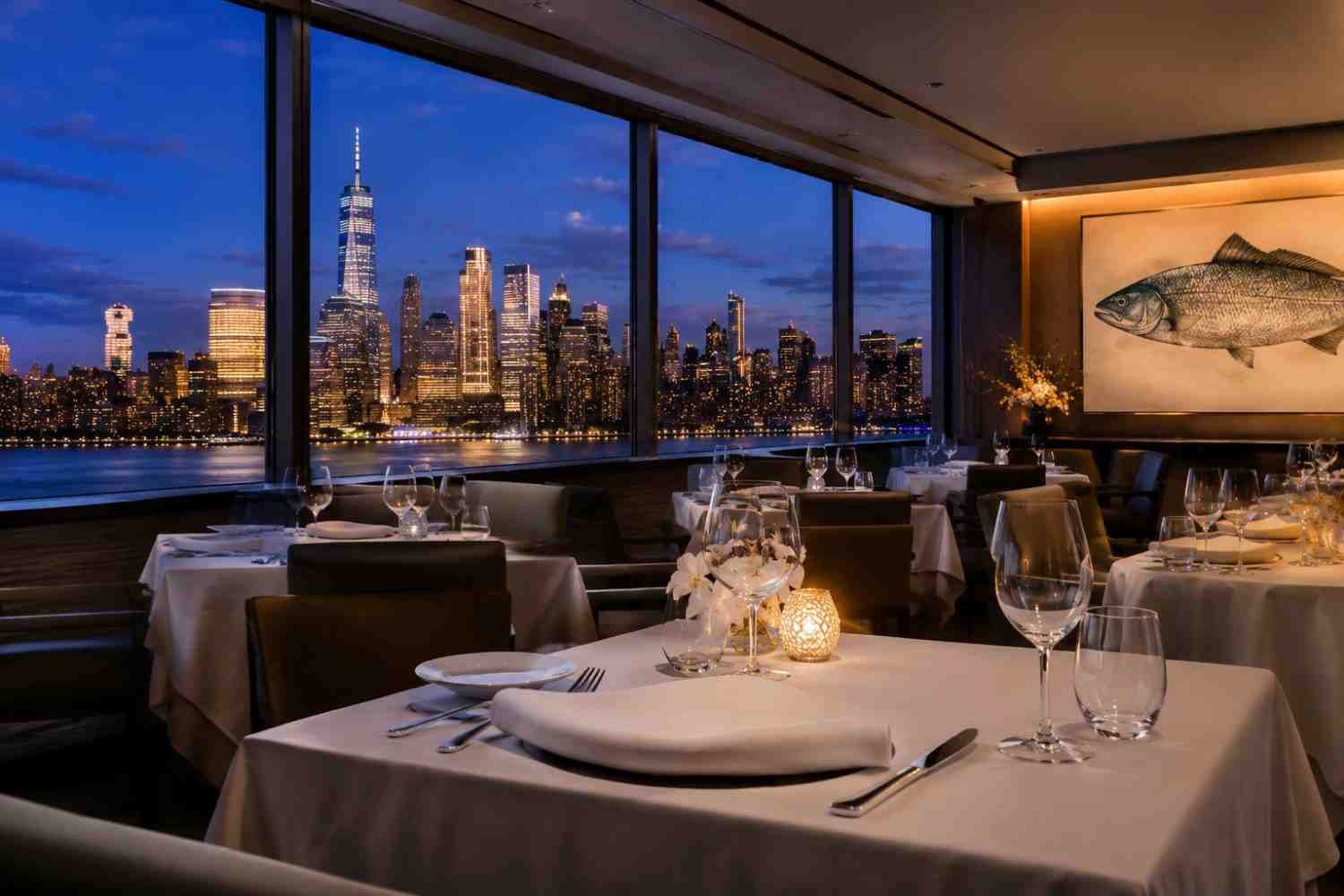
For seafood lovers, Le Bernardin remains one of the most celebrated restaurants anywhere in the world. Under the leadership of Chef Eric Ripert, the restaurant has maintained extraordinary standards for decades.
Its elegant approach to seafood showcases how simplicity and precision can create unforgettable dishes. Consistently recognized among the world’s top restaurants, Le Bernardin continues to attract diners seeking a world-class gastronomic experience.
Smyth – Chicago
Recently crowned among the most respected restaurants in North America, Smyth has become a symbol of modern American fine dining. Its constantly evolving tasting menu reflects the seasons and highlights ingredients sourced through close relationships with local producers.
The experience feels intimate, creative, and deeply connected to the surrounding region. For travelers seeking innovative chef-driven restaurants, Smyth deserves a place near the top of the list.
Katz’s Delicatessen – New York
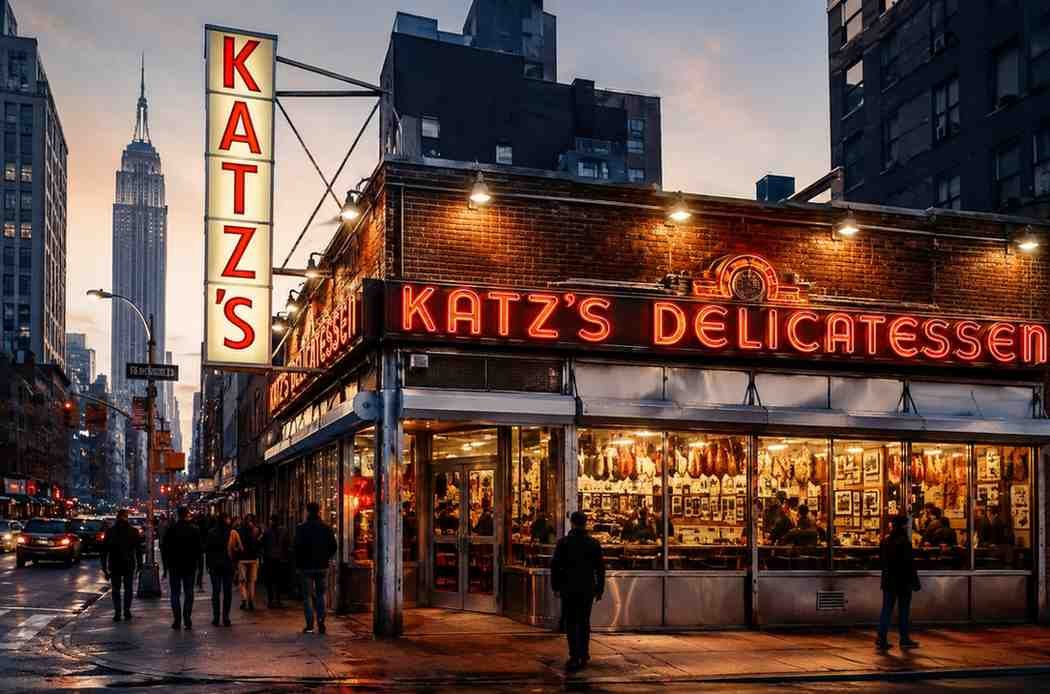
Not every iconic restaurant relies on white tablecloths and tasting menus. Katz’s Delicatessen has been serving towering pastrami sandwiches since 1888 and remains a cornerstone of New York food culture.
Walking through its busy dining room feels like stepping into living history. The restaurant demonstrates how a simple dish, executed consistently over generations, can become just as legendary as any Michelin-starred destination.
Brennan’s – New Orleans
Brennan’s combines history, hospitality, and culinary tradition in a way few restaurants can match. Famous as the birthplace of Bananas Foster, it remains one of the defining dining experiences in the French Quarter.
Its menu celebrates Creole flavors while maintaining an atmosphere of elegance and celebration. Visitors often leave with a deeper appreciation for the city’s rich food culture and hospitality traditions.
Union Oyster House – Boston
As the oldest continuously operating restaurant in the country, Union Oyster House offers a unique blend of history and seafood tradition. Diners enjoy classic New England specialties while surrounded by nearly two centuries of stories.
Its location near historic landmarks makes it a favorite stop for travelers who want their meal to connect directly with the destination’s heritage.
Old Ebbitt Grill – Washington, D.C.
Located just steps from some of the nation’s most recognizable landmarks, Old Ebbitt Grill has been welcoming guests since the nineteenth century.
Its Victorian atmosphere, legendary oyster selections, and enduring popularity with both locals and visitors have cemented its reputation as one of the most famous restaurants around the world for travelers interested in combining history and dining.
Maido – Lima, Peru
Chef Mitsuharu Tsumura’s Maido continues to dominate conversations about global food destinations. The restaurant specializes in Nikkei cuisine, blending Japanese culinary techniques with Peruvian ingredients and traditions.
Every course reflects cultural exchange and innovation. For many food travelers, Maido represents one of the most exciting international dining experiences available today.
Alchemist – Copenhagen, Denmark
Alchemist challenges nearly every conventional idea about dining. Guests spend hours moving through an immersive experience that combines food, art, technology, and storytelling.
Its ambitious approach has helped redefine destination dining. Rather than simply serving a meal, Alchemist creates a complete sensory journey that pushes the boundaries of modern gastronomy.
Osteria Francescana – Modena, Italy
Led by Chef Massimo Bottura, Osteria Francescana remains one of the most influential restaurants in the world. The restaurant is celebrated for honoring traditional Italian cuisine while reimagining it through contemporary techniques and creativity.
Each dish tells a story rooted in Italian culture, making the experience both deeply personal and globally admired.
How To Plan A Trip Around Destination Dining
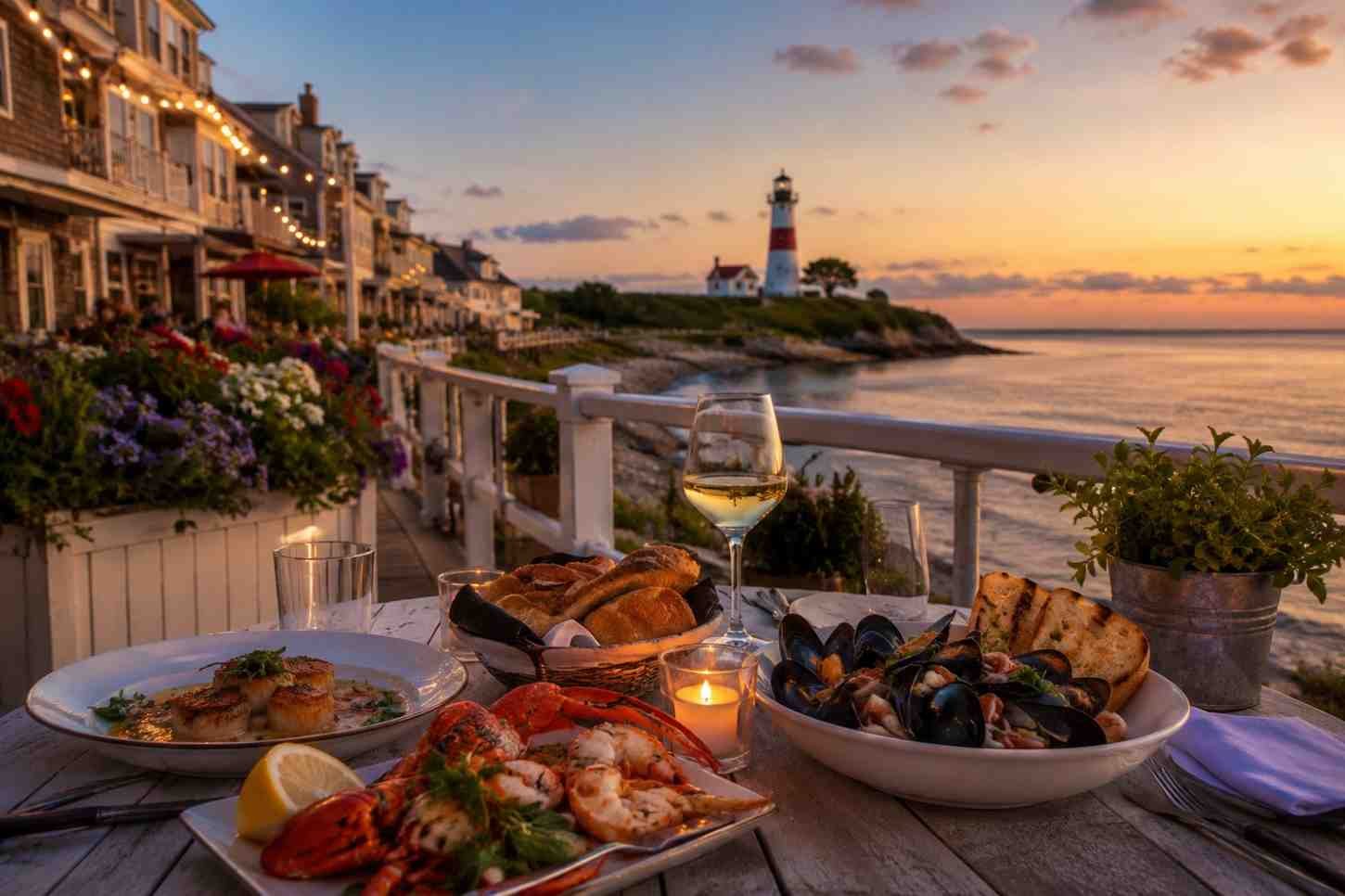
If you’re building a travel itinerary around iconic restaurants, a little preparation can make a huge difference.
- Reserve as early as possible, especially for Michelin-starred restaurants.
- Research seasonal menus and special dining events.
- Build flexibility into your schedule in case reservation dates change.
- Consider nearby attractions and accommodations to create a complete experience.
- Use a trusted restaurant guide for travelers when comparing dining options across multiple destinations.
The most sought-after reservations can disappear within minutes, making advance planning an essential part of culinary tourism.
Frequently Asked Questions: The Most Iconic Restaurants To Visit Around The World In 2026
1. What is the most famous restaurant in the world?
There is no single answer, but restaurants such as The French Laundry, Osteria Francescana, Le Bernardin, and Noma are frequently considered among the world’s most famous and influential dining destinations.
2. How far in advance should restaurant reservations be made?
For highly sought-after fine dining restaurants, reservations may need to be secured several weeks or even months in advance, especially during peak travel seasons.
3. Are Michelin-starred restaurants always expensive?
No. While many Michelin-starred restaurants are luxury establishments, some offer affordable lunch menus or casual dining concepts that provide excellent value.
4. Which countries are best for culinary tourism?
Italy, France, Japan, Peru, Spain, Denmark, and the United States consistently rank among the top destinations for travelers seeking exceptional food experiences.
Why Dining Has Become A Bigger Part Of Travel
Travelers increasingly view food as one of the best ways to understand a destination. A memorable meal can reveal local traditions, regional ingredients, and cultural values in ways museums and landmarks sometimes cannot.
The rise of culinary tourism has also encouraged restaurants to focus on storytelling, sustainability, and hospitality. Today’s guests often seek experiences that feel authentic and meaningful rather than simply luxurious. As a result, many of the world’s most iconic restaurants have become ambassadors for their regions and communities.