I always feel that a trip becomes more memorable when I understand the place beyond its pretty views. A cultural vacation is not just about taking photos near famous landmarks.
It is about tasting local food, walking through old streets, listening to stories, joining traditions, and seeing how people live every day. That is why the best things to do on a cultural vacation should include experiences that feel real, personal, and connected to the destination.
Why a cultural vacation feels different
A regular trip can be fun, but a culture-focused journey gives every moment more meaning. Instead of rushing from one attraction to another, I like to slow down and notice the details. The music in a public square, the smell of fresh bread from a local bakery, the design of old buildings, and the way people celebrate festivals can teach more than a travel brochure ever could.
The best cultural trips mix history, food, art, local customs, and everyday life. They help travelers return home with stories, not just souvenirs.
Visit museums that tell local stories
Museums are one of the easiest ways to understand a destination. Art museums, history museums, cultural centers, and small local galleries can explain how a place became what it is today. Instead of walking through quickly, choose one or two museums and spend real time there.
Look for exhibits about local communities, traditional clothing, ancient tools, migration, music, and important historical events. Audio guides and guided tours can make the experience more interesting, especially when the museum has deep stories behind each display.
Explore historic neighborhoods on foot
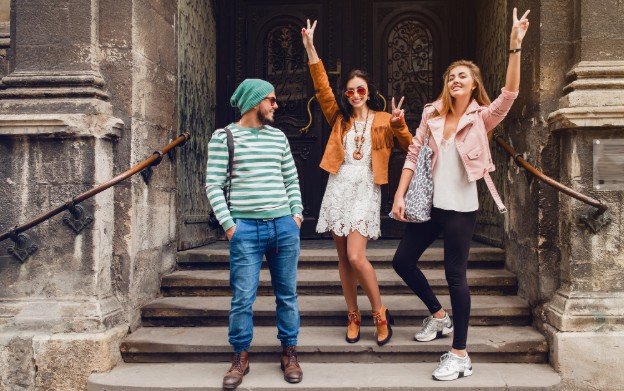
Walking through old neighborhoods is one of the most rewarding cultural activities. Historic streets often show a destination’s personality better than crowded tourist spots. You may find colorful homes, family-run cafes, old churches, temples, markets, murals, courtyards and adjacent spaces, and architecture from different time periods.
A self-guided walk works well, but a local walking tour can add context. Guides often share stories about families, traditions, hidden buildings, and local legends that travelers may miss on their own.
Join a local food tour or cooking class
Food is one of the strongest parts of culture. A local meal can reveal history, climate, religion, trade, and family traditions. Taking a food tour is a smart way to discover dishes you may not order by yourself.
Cooking classes are even better if you want a hands-on experience. You can learn how ingredients are chosen, how recipes are passed down, and why certain dishes matter during festivals or family gatherings. Try local bakeries, street food, farmers markets, traditional restaurants, and neighborhood cafes instead of only eating near major attractions.
Attend festivals, music events, and performances
Festivals make a destination feel alive. They bring together music, dance, clothing, food, faith, art, and community in one place. Before planning a trip, check whether any cultural festivals, public celebrations, theater shows, music nights, or seasonal events are happening during your visit.
Traditional performances are also worth adding to the plan. Folk dances, classical music, storytelling nights, puppet shows, and local theater can show emotions and traditions that are hard to understand through sightseeing alone.
Visit markets, craft shops, and artisan studios
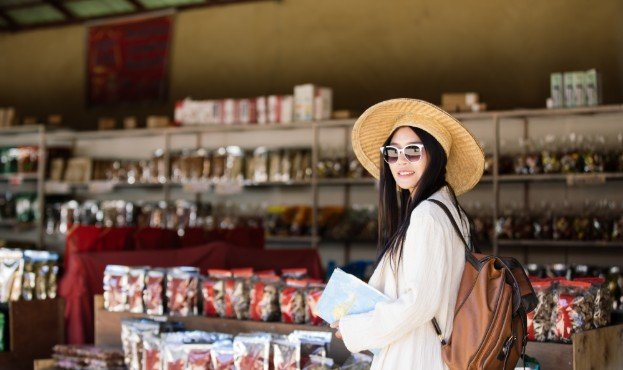
Local markets are full of cultural details. You can see what people eat, wear, buy, and value. Fresh produce, handmade baskets, spices, textiles, pottery, jewelry, and artwork can all tell stories about the region.
Artisan studios are also great for deeper travel. Watch how crafts are made and ask about the process when appropriate. Buying directly from local makers supports traditional skills and gives you a more meaningful souvenir than mass-produced items.
Take a heritage walking tour
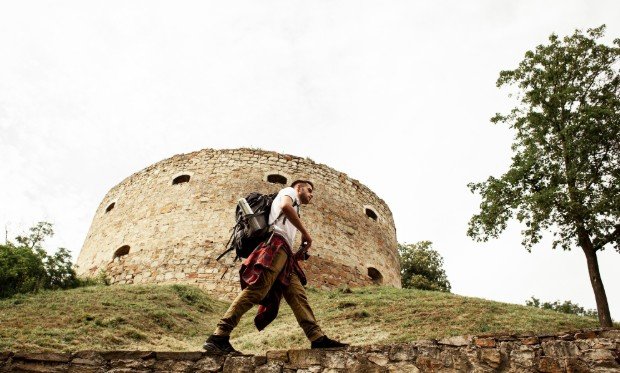
A heritage tour can connect buildings, monuments, streets, and local stories into one clear experience. These tours often focus on architecture, faith, migration, historic districts, public art, or old trade routes.
Choose smaller group tours when possible because they usually allow better conversation with the guide. Ask questions about daily life, customs, food habits, and local changes. This can make the tour feel personal instead of scripted.
Learn local customs before you go
Respect is a major part of cultural travel. Before visiting sacred places, traditional communities, or historic sites, learn basic etiquette. Understand dress codes, photography rules, tipping habits, dining manners, greeting styles, and quiet zones.
Learning a few local phrases also helps. Simple words like hello, thank you, please, and excuse me can make interactions warmer. Even when pronunciation is not perfect, the effort often shows respect.
Stay in locally owned places
Where you stay can shape your cultural experience. Locally owned hotels, guesthouses, boutique inns, and family-run stays often offer better insight into the destination than standard chain properties.
Hosts may recommend neighborhood restaurants, quiet attractions, small museums, local events, and places that do not appear in common travel lists. This also helps keep more travel money within the local community.
Slow down and avoid overplanning
One mistake I try to avoid is packing too many things into one day. Cultural travel needs breathing room. Leave time for wandering, sitting in a cafe, watching street life, talking to shop owners, or returning to a place that feels special.
A slower pace helps you notice details. It also makes the trip less stressful and more meaningful, even when planning things to do for adventure travelers who want excitement without rushing through every experience.
Respect sacred sites and local traditions
Sacred places, memorials, and historic communities should be visited with care. Follow posted rules, speak softly, dress respectfully, and avoid treating serious places like photo backdrops. Some places may restrict cameras, shoes, hats, or certain types of clothing. Responsible travel protects the experience for local people and future visitors.
How to plan a better cultural trip
Start by choosing one or two main cultural themes. It could be food, history, art, architecture, music, festivals, or traditional crafts. Then build the itinerary around those interests.
Mix famous attractions with local experiences. For example, pair a major museum with a neighborhood food tour, a historic landmark with a market visit, or a traditional performance with a local dinner. This balance keeps the trip exciting without making it feel rushed.
Frequently Asked Questions
1. What are the Best things to do on a cultural vacation?
The best activities include visiting museums, exploring historic neighborhoods, trying local food, attending festivals, taking heritage tours, and learning local customs.
2. How do I make a cultural trip more authentic?
Stay curious, eat where locals eat, join small tours, visit markets, respect traditions, and spend time beyond the most crowded attractions.
3. Are cultural vacations good for families?
Yes, they can be great for families because museums, food tours, festivals, craft workshops, and historic walks can make learning fun and memorable.
4. How many days do I need for a cultural vacation?
A short trip can work in three days, but five to seven days gives more time for museums, local neighborhoods, food experiences, and slow exploration.
Final thoughts
For me, the best trips are the ones that stay in my mind long after I return home. A cultural journey gives that kind of feeling because it connects me with people, stories, flavors, art, and traditions. When planned well, the best things to do on a cultural vacation becomes more than a travel checklist. It becomes a way to understand a place with more heart, patience, and respect.