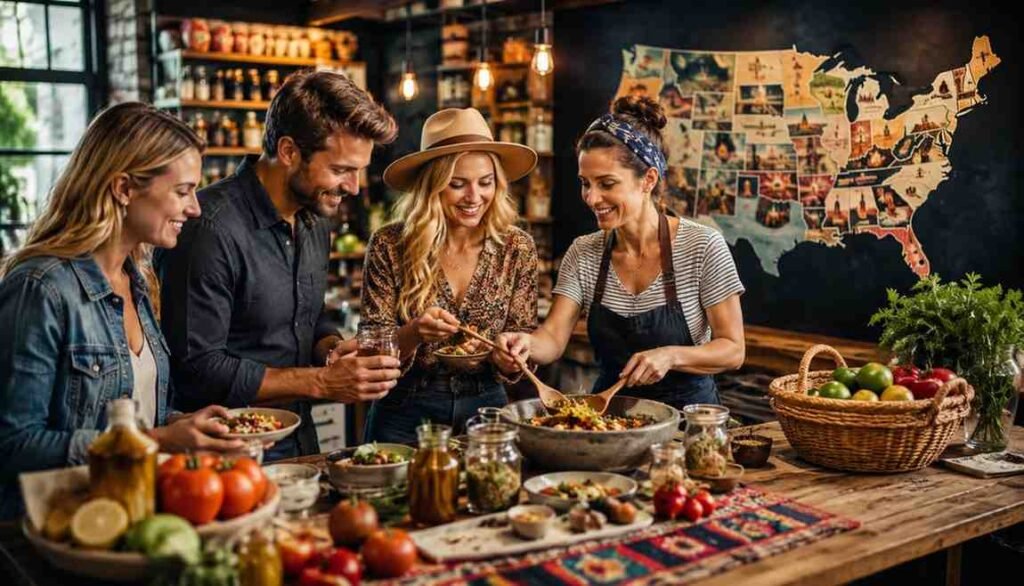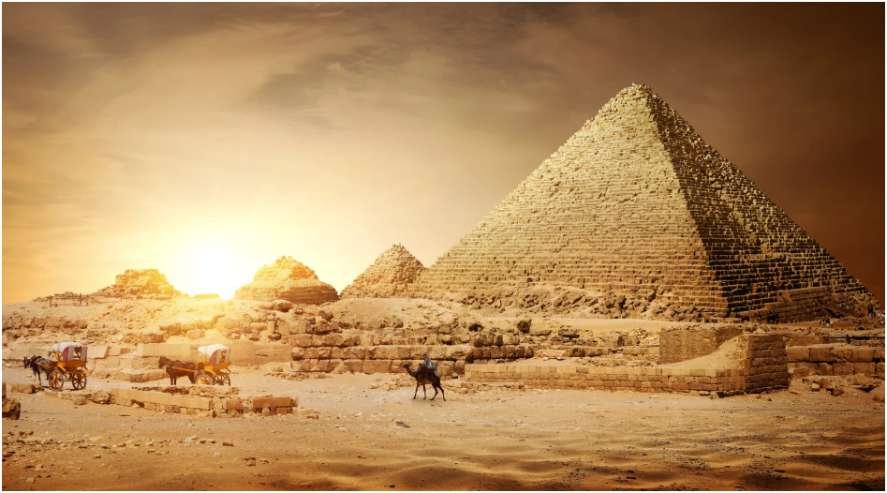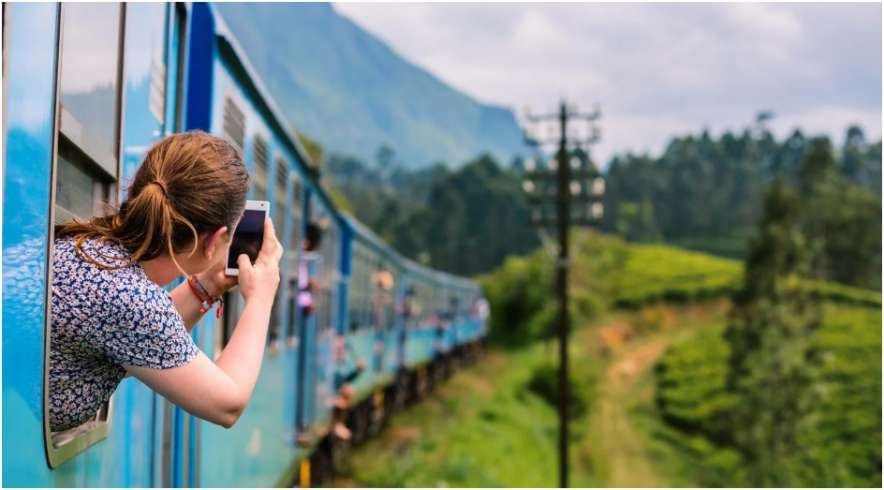
The best cultural trips do not feel like watching a show from the back row. They feel like being invited to the kitchen, the prayer hall, the workshop, or the village square. When I look for cultural destinations to visit for authentic local experiences, I skip places that only package tradition for photos and choose places where culture still shapes ordinary life.
That means eating what locals cook at home, joining festivals that matter to the community, and learning from guides who grew up in the area. The destination matters, but the way you enter it matters more.
Why Authentic Cultural Travel Feels Different
A famous landmark can impress you in ten minutes. A real cultural experience stays with you for years.
For US travelers, this matters because long-haul trips often cost serious money and time. If you fly across the world only to follow the same crowded route as everyone else, you miss the deeper reward. Authentic travel asks you to slow down. It gives you space to notice how people pray, cook, trade, celebrate, grieve, and welcome strangers.
The strongest cultural destinations to visit for authentic local experiences are not always the loudest ones online. They are places where heritage is not frozen inside museums. It is still present in markets, temples, family kitchens, pilgrim trails, village crafts, and seasonal festivals.
My Local Proof Test for Authentic Travel Experiences
Before I add any place to my cultural travel list, I use a simple test. I ask three questions: Can I stay locally? Can I follow a real community rhythm? Can I learn from someone rooted there?
Stay Where Culture Still Lives
Large hotels can be comfortable, but they often separate you from daily life. A verified homestay, local guesthouse, ryokan, temple lodging, or monastery guest room gives you a closer view.
In a homestay, breakfast may tell you more than a walking tour. You hear family stories, learn food customs, and understand how people actually live.
Follow the Local Calendar
Festivals reveal a destination at full volume. In India, trips around events like the Pushkar Fair or small South Indian temple festivals can show music, devotion, food, and trade in motion.
The trick is to attend respectfully. Do not treat ceremonies like entertainment. Watch first, ask before photographing, and participate only where visitors are welcome.
Learn From People Who Belong There
Hyper-local guides change everything. A guide from the same neighborhood, village, or Indigenous community can explain details that standard tours miss.
They may know which alley still has family-run craft workshops, which shrine matters to locals, or which market stall has been run by the same family for generations.
Best Cultural Destinations for Food, Craft, and Living Heritage
Some destinations combine history, cuisine, craft, and everyday ritual so naturally that culture becomes the whole trip.
Kyoto, Japan
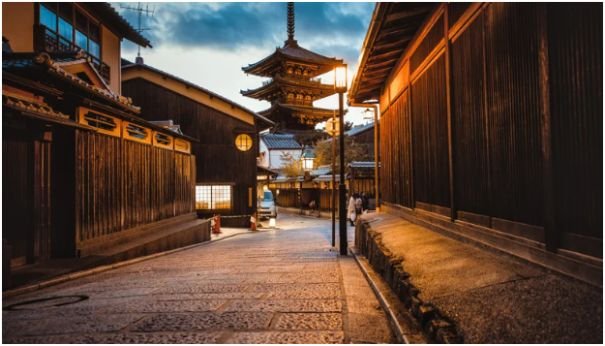
Kyoto is ideal for travelers who want refinement, ritual, and preserved urban heritage. I would choose a traditional ryokan over a modern chain hotel, then build the day around tea culture, temple gardens, artisan districts, and quiet lanes lined with machiya townhouses.
The key is not to rush from shrine to shrine. Spend time with one tea ceremony, one craft workshop, or one neighborhood walk. Kyoto rewards patience.
Oaxaca, Mexico
Oaxaca is one of the richest cultural destinations to visit for authentic local experiences because food, Indigenous heritage, art, and markets all meet in daily life.
Start with local markets, not restaurant lists. Taste mole, watch tortillas being made, and learn how regional ingredients shape identity. Alebrije workshops add another layer, especially when artisans explain the carving and painting traditions behind the figures.
Cusco and the Sacred Valley, Peru
Cusco and the Sacred Valley blend Inca heritage with living Andean customs. Many travelers come for ruins, but the deeper cultural value appears in weaving communities, Quechua traditions, food markets, and mountain rituals.
This is also where I separate cultural immersion from pure archaeology. Ancient sites deserve their own focus, so I would pair this trip with historical destinations for travelers.
Paro and Thimphu, Bhutan
Bhutan offers a rare kind of cultural continuity. In Paro and Thimphu, traditional architecture, Buddhist practice, local dress, and community values remain visible.
If possible, plan around a Tshechu festival. Mask dances, music, and monastic rituals create a powerful window into Bhutanese spiritual life. This is not a place to rush. Bhutan works best when you give each valley time to breathe.
Spiritual and Philosophical Destinations for Deeper Immersion
Some places are not only cultural. They are contemplative. They invite you to turn inward.
Bodh Gaya, India
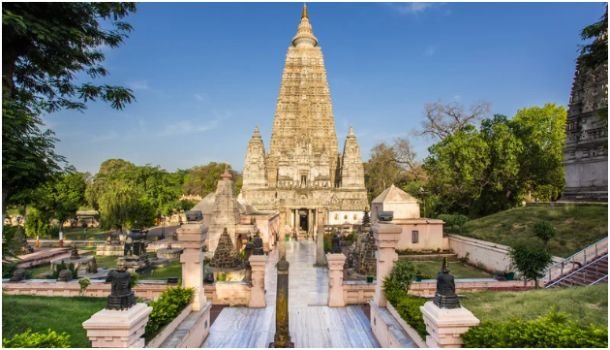
Bodh Gaya is one of the most meaningful Buddhist destinations in the world. The Mahabodhi Temple Complex centers around the Bodhi Tree tradition and the story of enlightenment.
For an authentic experience, arrive early, sit quietly, and observe how monks and pilgrims from many countries practice side by side. The moment feels global, but the energy stays deeply personal.
Shikoku Island, Japan
Shikoku is best known for its 88-temple pilgrimage rooted in Shingon Buddhism. You do not need to walk the full route to feel its power.
Walking a short section in simple pilgrim clothing can help you understand travel as discipline, not consumption. The trail teaches through repetition, silence, and effort.
Rishikesh and Dharamshala, India
Rishikesh draws travelers seeking yogic philosophy, sound healing, and ashram life along the Ganges. Choose traditional ashrams carefully, and avoid programs that feel more like wellness branding than study.
Dharamshala offers another kind of depth through Tibetan Buddhist culture. Prayer wheels, monastery visits, teachings, and Buddhist logic classes help travelers understand exile, devotion, and philosophy together.
Indigenous Earth-Based Cultural Experiences
Earth-based traditions require extra humility. These are not “activities” in the casual sense. They are living systems of memory, law, land, and ancestry.
The Sacred Valley, Peru
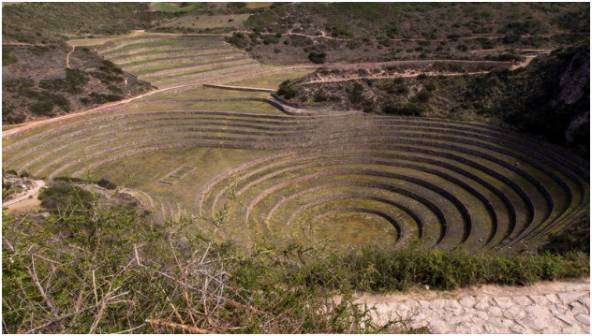
In the Sacred Valley, Quechua traditions often center on Pachamama, or Mother Earth, and the Apus, the sacred mountain spirits.
A Pago a la Tierra ceremony should only be done with a respected local Paqo or community-approved guide. Done well, it is not a performance. It is a lesson in reciprocity, gratitude, and balance.
Uluṟu, Australia

Uluṟu is one of the strongest examples of culture tied to landscape. Walking the base with an Indigenous Aṉangu guide gives context to caves, waterholes, rock art, and creation stories connected to Tjukurpa.
This is where etiquette matters deeply. Stay on permitted paths, follow photography restrictions, and listen more than you speak.
Monastery Retreats for Silence, Simplicity, and Reset
A monastery stay gives cultural travel a different rhythm. You live by bells, meals, silence, prayer, study, and simple rooms.
Kopan Monastery, Nepal
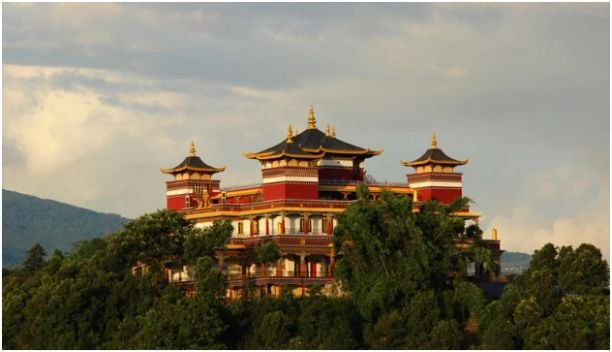
Kopan Monastery near Kathmandu is a strong choice for structured Buddhist study. Its introductory courses include meditation, teachings, discussion, silence, vegetarian living, and digital restrictions.
This is not a casual hotel stay. Attendance is expected, phones may be checked in, and silence is part of the training.
Koyasan, Japan
Koyasan offers shukubo, or temple lodging, in a sacred Shingon Buddhist mountain setting. Guests sleep in tatami rooms, eat Shojin Ryori vegetarian meals, and may join morning prayers or fire rituals.
Curfews and punctuality matter. The reward is a rare chance to experience spirituality through routine.
Plum Village, France
Plum Village in Dordogne, founded by Thích Nhất Hạnh, focuses on community mindfulness. It is less about isolation and more about walking meditation, silent meals, mindful work, and shared practice.
Expect noble silence during certain hours and a commitment to community rhythms.
Christian Monasteries in Europe
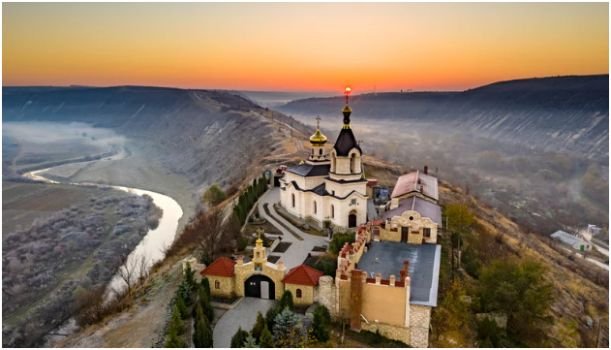
Benedictine and Cistercian monasteries offer another path into silence. Guest houses are usually simple, corridors are quiet, and chapel services follow the Liturgy of the Hours.
Even if you are not religious, Gregorian chant in a stone chapel can feel deeply grounding.
Travel Etiquette That Makes You a Better Guest
Authentic access comes with responsibility. Cover shoulders and knees in sacred spaces. Remove shoes before temples, mosques, monasteries, and some homes. Cover your head where required.
Ask before taking photos, especially during rituals, funerals, cremation ceremonies, or private worship. A camera can turn a sacred moment into a spectacle.
Participate through action, not interruption. Sit for meditation. Buy flowers for an offering. Help clean a community kitchen if invited. Spend money with local families, guides, markets, and artisans.
Also prepare for discomfort. Monastery stays may mean shared bathrooms, single beds, floor mats, no room service, no TV, and limited internet. Bring a physical book, a journal, and a flexible attitude.
FAQs About Authentic Local Cultural Travel
1. What are the best cultural destinations for authentic local experiences?
Kyoto, Oaxaca, Cusco, Bhutan, Bodh Gaya, Uluṟu, and Koyasan are strong choices for food, craft, spirituality, and living heritage.
2. How do I find authentic local experiences while traveling?
Book homestays, hire hyper-local guides, visit community markets, travel during local festivals, and choose workshops led by local artisans.
3. Are monastery retreats good for cultural immersion?
Yes, monastery retreats offer deep immersion through silence, simple living, prayer, meditation, shared meals, and daily spiritual routines.
4. How can I avoid disrespecting local culture?
Dress modestly, ask before taking photos, follow sacred-site rules, support local communities, and avoid treating rituals like tourist shows.
Go Where the Culture Is Still Breathing
The most memorable cultural trips do not hand you a perfect itinerary. They ask you to pay attention. Choose places where food, faith, craft, language, and land still shape daily life.
If you want real depth, do not chase the most photographed spot. Stay locally, travel slowly, hire people who belong there, and let the destination teach you on its own terms. That is where the magic gets a little less polished and a lot more real.