
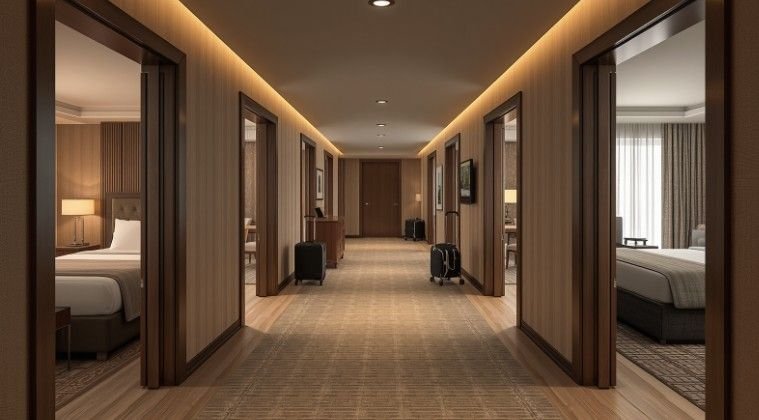
A booking page can feel like a maze after room options appear together. Knowing the different types of hotel rooms helps choose the right space, sleep better, avoid surprise charges, and plan a smoother Hotels & Stays experience.
Key Takeaways
- Room names describe bed setup, capacity, layout, luxury tier, or special features.
- Standard rooms save money, while deluxe rooms, studios, and suites add comfort.
- Families should check connecting rooms, extra beds, cribs, and bathroom safety.
- Business travelers should prioritize quiet floors, Wi-Fi, desks, outlets, and breakfast.
- Health needs matter, so confirm accessibility, allergies, ventilation, and elevator access early.
Why Different Types Of Hotel Rooms Matter
Room labels are like a hotel’s menu. Choose wrong, and your “cozy escape” becomes a luggage puzzle with no walking space. Choose well, and your stay feels calm, easy, and worth the money.
Understanding different types of hotel rooms helps you match the room to your real trip, not just the prettiest photo. It also protects your budget, comfort, health needs, and travel plans.
By Bed Size And Occupancy
Start with who is sleeping where, because bed setup and capacity decide comfort.
Single Room
A single room is built for one guest and usually includes one twin, double, or queen bed. It suits solo travelers, airport stopovers, and business stays. Check the bed size, since “single” can mean compact.
Double Room
A double room is made for one or two guests and normally has one double, queen, or king bed. Couples often choose it, but friends should be careful because “double room” does not mean two beds.
Twin Room
A twin room has two separate single or twin beds. It works well for friends, siblings, colleagues, or relatives. Ask whether the beds can be joined for flexibility.
Double Double Or Quad Room
A double double or quad room usually has two double or queen beds and can sleep up to four guests. It is popular with families and groups, though floor space may feel tight.
Hollywood Twin Room
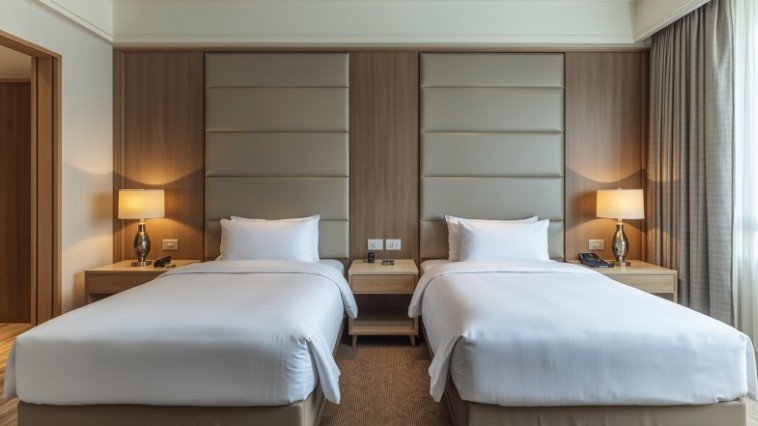
A Hollywood twin room has two twin beds side by side under one headboard. It gives couples or friends flexible sleeping options and appears in many hotels and resorts.
By Room Layout And Tier
After bed type, compare layout, square footage, view, amenities, and service level.
Standard Room
A standard room is the basic, budget-friendly hotel option. It usually includes a bed, private bathroom, TV, wardrobe, desk, and toiletries. Choose it for short stays or trips where location matters most.
Deluxe Room
A deluxe room is a step above standard, often with more space, better decor, upgraded toiletries, or a nicer view. It is smart for couples, birthdays, weekend stays, and travelers wanting comfort without suite pricing.
Superior Room
A superior room usually offers a better experience than deluxe or standard categories. It may sit on a higher floor, corner location, or quieter side. Compare photos, size, and inclusions.
Studio Room
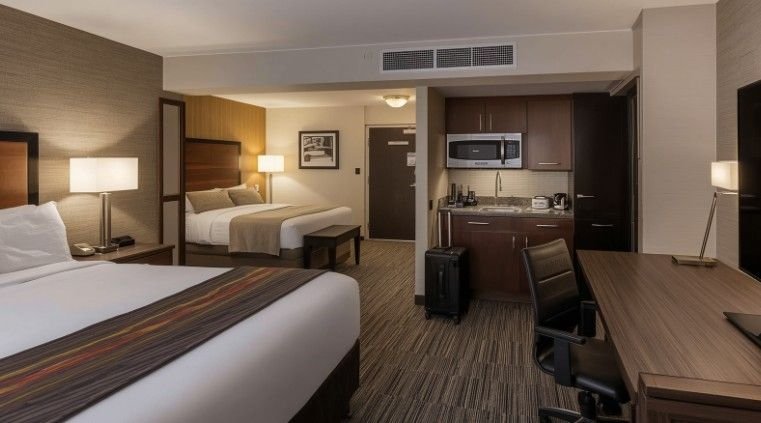
A studio blends sleeping, sitting, and sometimes cooking space into one open layout. Many include a sofa bed, kitchenette, microwave, or dining corner. Studios are great for long stays, remote work, and dietary routines.
Suite Room Types
Suites offer more space, clearer zones, and better privacy for comfortable stays.
Junior Suite
A junior suite is usually one large room with a sleeping area and small sitting space. It may not have a separate living room, but it feels roomier than standard categories and suits couples or small families.
Executive Suite
An executive suite has a separate bedroom and living room, often with a work desk, lounge access, premium Wi-Fi, and business amenities. It is useful for work trips, private calls, meetings, and longer city stays.
Presidential Suite Or Penthouse
A presidential suite or penthouse is the top luxury category. Expect multiple rooms, dining areas, premium bathrooms, standout views, and exclusive services. It is best for VIP stays, celebrations, privacy, and special travel experiences.
Specialized Hotel Options
Some room categories exist because travelers need privacy, access, flexibility, or independence.
Connecting And Adjoining Rooms
Connecting rooms have an internal door between two rooms, while adjoining rooms sit next to each other without necessarily connecting. Families love them because adults and kids get space while staying close. Confirm this before arrival.
Accessible Room
An accessible room supports guests with mobility, hearing, or visual needs. Features may include wider doors, roll-in showers, grab bars, lowered switches, and alert systems. Contact the property directly because details vary.
Villa Or Bungalow
A villa or bungalow is usually a detached stay found at resorts, beach properties, or nature retreats. It offers privacy, outdoor space, and a residential feel. These suit honeymoons, wellness breaks, families, and longer vacations.
How To Use Different Types Of Hotel Rooms

Use different types of hotel rooms as a decision tool, not just fancy names. First, decide your main travel needs for sleep, space, budget, privacy, work, family comfort, wellness, or celebration.
Next, match that need to the room category. Pick standard for value, twin for friends, double double for families, studio for longer stays, accessible rooms for mobility support, and suites for privacy.
Finally, verify before paying. Read bed details, guest limits, refund rules, resort fees, smoking policy, and photos. Message the hotel about cribs, elevators, allergies, pet fees, early check-in, parking, and transfers.
Health And Planning Tips
A good room should support your body, schedule, and peace of mind, not just look nice online.
Avoid Common Booking Issues
Travelers often face wrong bed types, noisy rooms, hidden fees, missing cribs, weak Wi-Fi, or “partial views” that barely show anything. Save screenshots, read recent reviews, and confirm must-have details with the hotel.
Plan For Comfort And Safety
For allergies, ask about carpet-free rooms, pet-free floors, hypoallergenic bedding, and ventilation. For seniors or recovery travel, request elevator access, walk-in showers, low floors, and nearby medical help. Keep prescriptions in hand luggage.
Frequently Asked Questions
1. What Are The Types Of Rooms In Hotels?
Hotels usually offer single, double, twin, triple, quad, standard, deluxe, superior, studio, accessible, connecting rooms, and suites. Some resorts also include villas, bungalows, cabanas, and view rooms.
2. What Types Of Rooms Do Hotels Offer?
Hotels offer rooms based on bed size, occupancy, layout, amenities, and luxury level. You may see queen rooms, king rooms, family rooms, executive rooms, junior suites, penthouses, and pet-friendly options.
3. What Are The 4 Types Of Hotels?
The four common hotel types are budget hotels, mid-range hotels, luxury hotels, and boutique hotels. Travelers may also compare hotels by service style, such as limited-service, full-service, extended-stay, or resort hotels.
4. What Are The Three Types Of Rooms?
The three basic room types are often single rooms, double rooms, and suites. Single rooms suit solo guests, double rooms fit one or two travelers, and suites provide extra living space.
Pack Your Bags Smarter
Choosing between different types of hotel rooms becomes easier when you focus on real needs instead of glossy names. Think about who is traveling, how long you will stay, how much space you need, and what keeps you healthy and rested. The right room saves money, prevents stress, and keeps check-in simple.