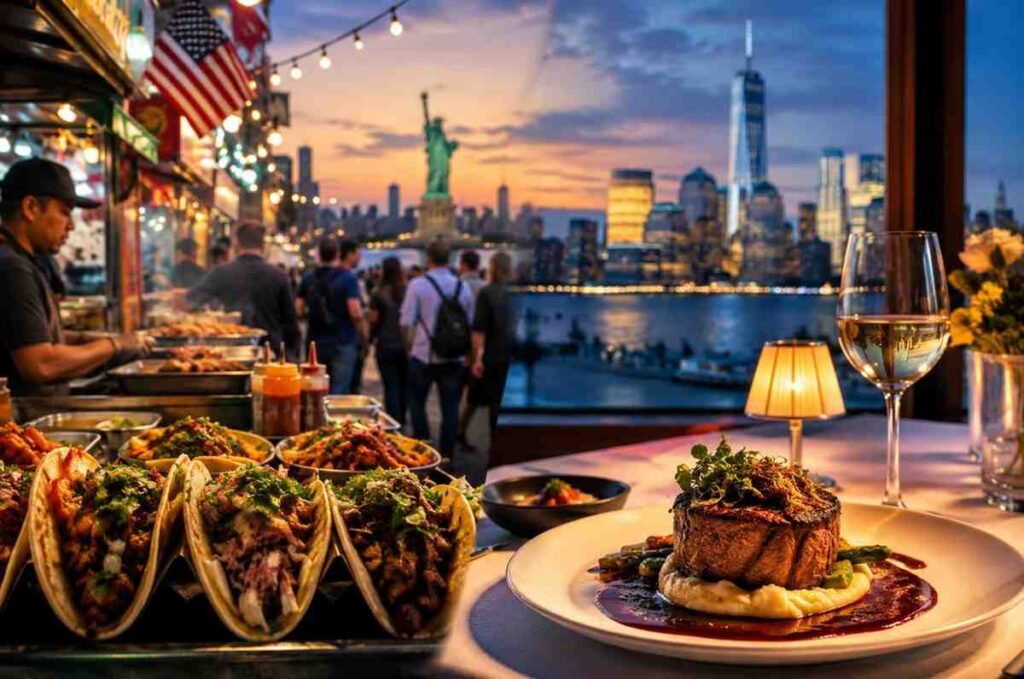
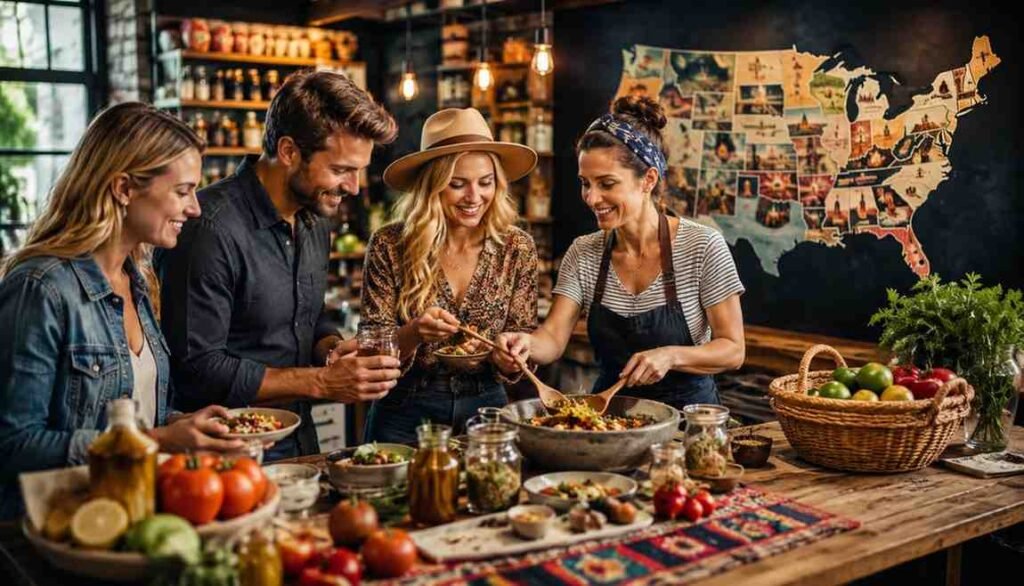
Ask people about their most memorable travel experiences, and many will talk about food before mentioning famous landmarks or attractions. Whether it’s a traditional family meal, a bustling street food market, or a regional specialty served in a small local restaurant, food often becomes the highlight of a journey.
This is why food tourism experiences have become an important part of modern travel. Beyond satisfying hunger, food helps travelers understand local traditions, history, values, and everyday life. Through cuisine, visitors can connect with a destination on a deeper and more personal level.
Why Food Is a Gateway to Local Culture?
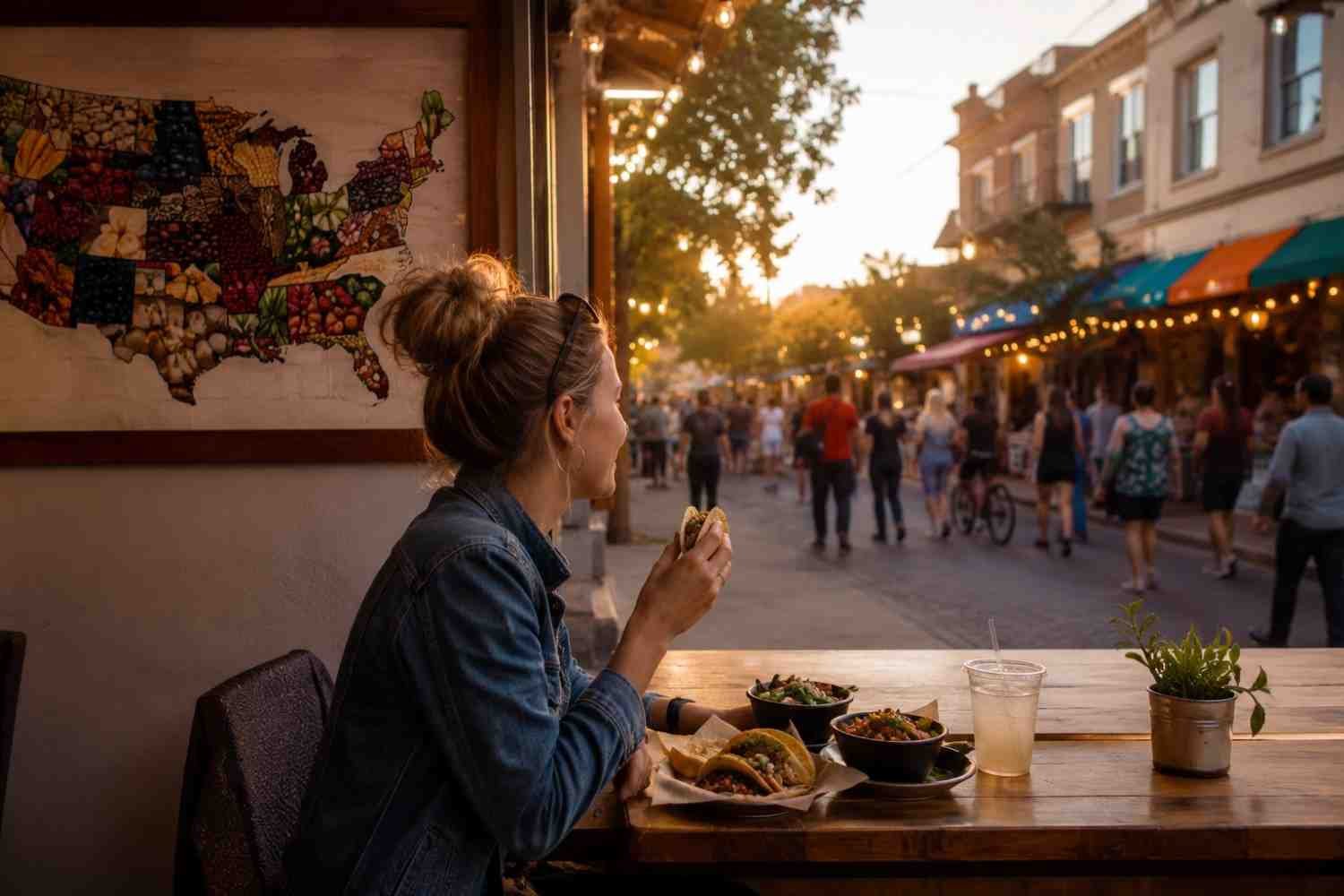
Food reflects the identity of a place. The ingredients people use, the cooking methods they follow, and the dishes they celebrate are often shaped by geography, climate, history, and cultural influences.
Regional Ingredients Tell a Story
Different regions develop unique cuisines based on locally available resources. Coastal communities often rely on seafood, while agricultural regions may focus on fresh produce, grains, or livestock.
These ingredients reveal how communities have adapted to their environment over generations.
Traditional Recipes Preserve Heritage
Many local dishes have been passed down through families for decades or even centuries. These recipes often carry cultural significance and help preserve traditions that might otherwise be forgotten.
When travelers try authentic local food, they experience a piece of that heritage firsthand.
Food Reflects Historical Influences
Trade routes, migration, colonization, and cultural exchanges have all influenced regional cuisines. A single dish may contain ingredients or cooking techniques introduced from different parts of the world.
Understanding these influences helps travelers gain insight into a destination’s history.
How Shared Meals Create Cultural Connections
Food naturally brings people together. Unlike many tourist activities that focus on observation, dining encourages interaction and participation.
Conversations Happen Naturally
Sharing a meal often leads to meaningful conversations with restaurant owners, chefs, market vendors, and local residents. These interactions provide insights that travelers may not find in guidebooks.
Hospitality Becomes Part of the Experience
Many cultures express hospitality through food. Offering meals to guests is often seen as a sign of respect, generosity, and community.
Experiencing this hospitality helps travelers feel welcomed and connected to local people.
Food Breaks Language Barriers
Even when travelers and locals do not share the same language, food creates common ground. A recommendation, a cooking demonstration, or a shared dining experience can foster understanding without requiring extensive conversation.
Places Where Travelers Can Experience Authentic Food Culture
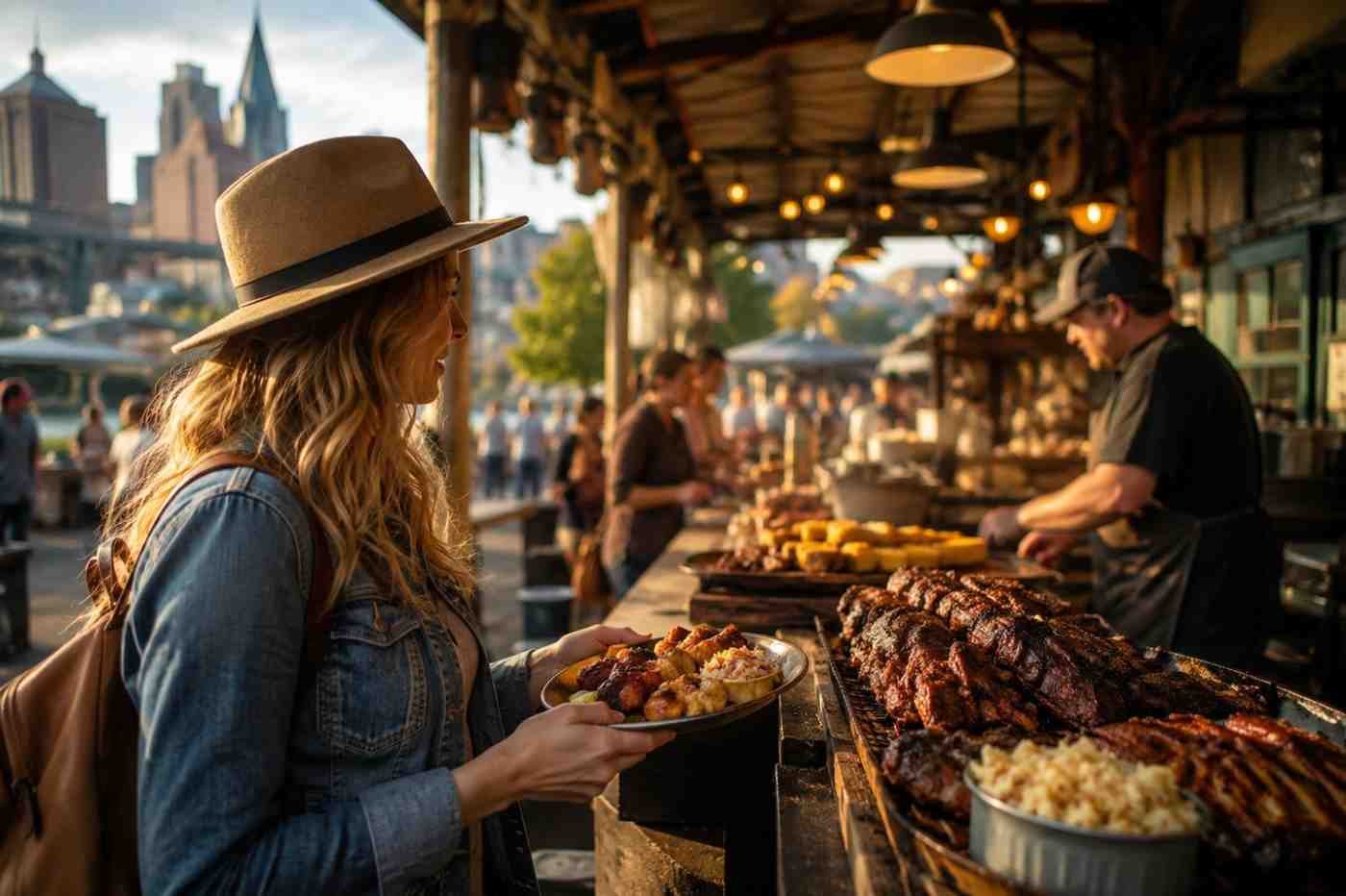
While popular restaurants can be enjoyable, some of the most authentic culinary experiences happen in everyday community spaces.
Neighborhood Markets
Local markets provide a glimpse into daily life and food traditions.
Benefits of visiting local markets include:
- Discovering seasonal ingredients
- Learning about regional produce
- Observing local shopping habits
- Meeting farmers and food vendors
- Exploring traditional products unique to the area
Markets often reveal aspects of local culture that tourists might otherwise miss.
Family-Owned Restaurants
Independent restaurants frequently preserve traditional cooking methods and recipes.
These establishments often offer:
- Authentic regional dishes
- Family recipes passed through generations
- Personal stories behind menu items
- Strong connections to local culture
Dining at family-owned restaurants allows travelers to experience food in a more meaningful and personal way.
Street Food Vendors
Street food offers an accessible way to explore local flavors and culinary traditions.
Many destinations are known for iconic street foods that reflect the tastes and preferences of local communities.
Participating in Food Experiences Creates Lasting Memories
Travelers often remember experiences more vividly when they actively participate rather than simply observe.
Cooking Classes
Cooking classes allow visitors to learn traditional techniques and understand the cultural significance of local dishes.
Participants often gain:
- Hands-on culinary skills
- Knowledge of regional ingredients
- Insight into cultural traditions
- A deeper appreciation for local cuisine
Food Tours
Guided food tours combine tasting experiences with cultural storytelling. For travelers seeking immersive culinary travel experiences, these tours offer a unique opportunity to explore local traditions through food.
A quality food tour may include:
- Visits to local eateries
- Historical insights
- Market exploration
- Introductions to regional specialties
- Conversations with local food experts
Farm and Producer Visits
Visiting farms, vineyards, fisheries, or artisan food producers helps travelers understand where ingredients come from and how they contribute to local culinary traditions.
These experiences create a stronger connection between food, people, and place.
Benefits of Food Tourism for Local Communities
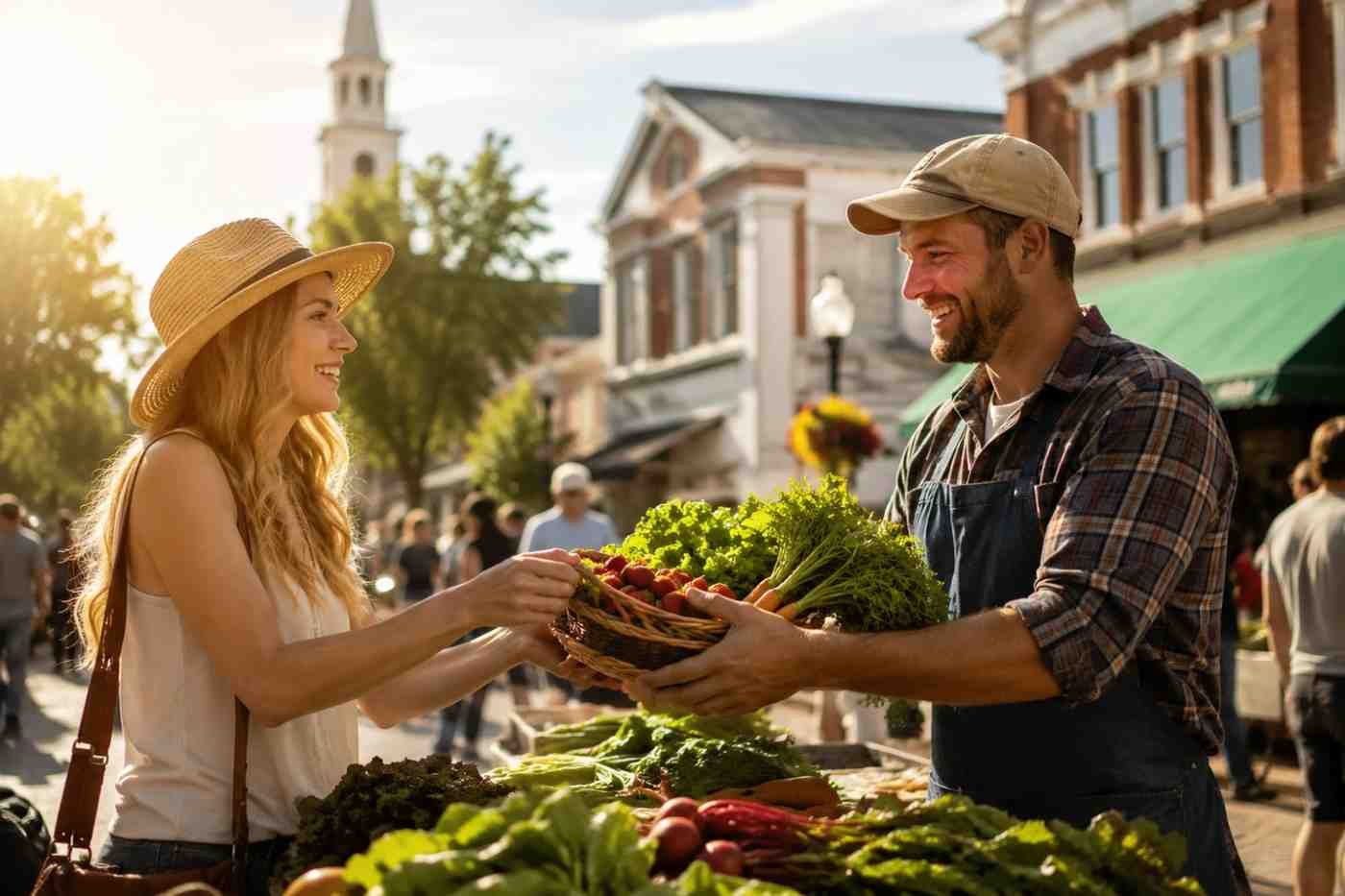
Food tourism does more than enrich travel experiences. It can also provide meaningful benefits to local economies and cultural preservation efforts.
Supporting Small Businesses
When travelers choose local restaurants, markets, and food tours, their spending often stays within the community.
This support helps:
- Family-owned businesses thrive
- Create local employment opportunities
- Encourage entrepreneurship
- Strengthen regional economies
Preserving Culinary Traditions
Growing interest in authentic food experiences encourages communities to maintain traditional recipes and cooking methods.
As demand increases, local businesses have greater motivation to preserve cultural heritage rather than replace it with standardized offerings.
Promoting Sustainable Tourism
Food tourism often directs visitors toward locally owned establishments and community-based experiences, helping distribute tourism benefits more broadly throughout a destination.
The Importance of Storytelling in Food Tourism
One of the most powerful aspects of food tourism is the stories behind the dishes.
Every Dish Has a History
Many traditional foods are connected to historical events, migration patterns, religious celebrations, or family traditions.
Learning these stories transforms a meal into a cultural experience.
Local Experts Add Valuable Context
Chefs, guides, farmers, and restaurant owners often share insights that help travelers understand the significance of ingredients and recipes.
Their knowledge adds depth and meaning to the dining experience.
Stories Make Experiences Memorable
Travelers may forget specific details about attractions, but they often remember the stories connected to a special meal.
These narratives create emotional connections that last long after the trip ends.
Key Ways Food Tourism Helps Travelers Connect With Culture

Food tourism creates meaningful cultural connections by:
- Introducing travelers to local traditions
- Encouraging interaction with residents
- Preserving culinary heritage
- Supporting community businesses
- Providing hands-on learning opportunities
- Revealing historical and cultural influences
- Creating memorable shared experiences
Together, these elements make food one of the most effective ways to understand a destination.
FAQs: How Food Tourism Experiences Help Travelers Connect With Local Culture
1. What is food tourism?
Food tourism involves traveling to experience local cuisine, culinary traditions, food markets, cooking classes, food tours, and other food-related activities that provide cultural insight.
2. Why is food important in cultural travel?
Food reflects a destination’s history, geography, traditions, and values. Exploring local cuisine helps travelers better understand the communities they visit.
3. What are some popular food tourism activities?
Popular activities include food tours, cooking classes, market visits, wine tastings, farm tours, street food experiences, and dining at local restaurants.
4. How does food tourism benefit local communities?
Food tourism supports small businesses, creates economic opportunities, preserves culinary traditions, and encourages sustainable tourism practices.
The Lasting Impact of Food Tourism Experiences
Travel memories often fade over time, but meals and the stories behind them tend to remain vivid. The flavors, conversations, traditions, and cultural insights gained through food create lasting impressions that go far beyond sightseeing.
Food tourism experiences allow travelers to engage with destinations in a meaningful way, transforming meals into opportunities for learning, connection, and cultural understanding. Long after a trip ends, it is often the food and the people behind it that travelers remember most.