
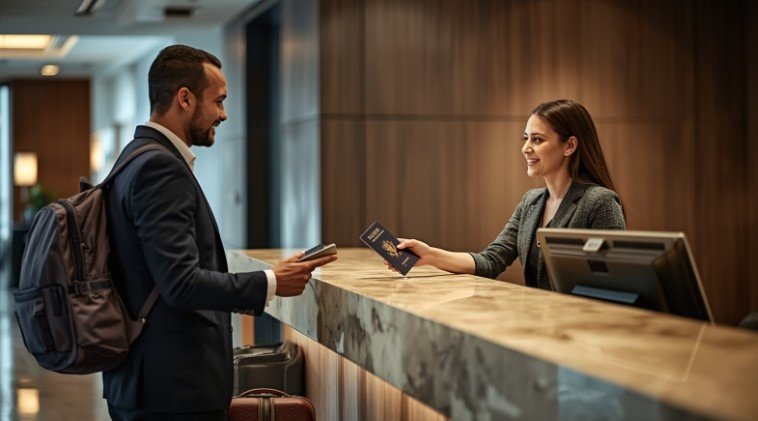
A hotel lobby can feel like the finish line after a long travel day, until the front desk asks for ID and your wallet suddenly feels like a mystery box. hotel ID requirements are simple once you know the rules, and they can save your trip from a very awkward “sorry, we can’t check you in” moment.
Key Takeaways
- Carry a valid government-issued photo ID.
- Use a driver’s license, passport, or state ID.
- Match your ID name with the booking.
- Check prepaid and third-party reservation details.
- Bring a card for hotel incidentals.
- Expect deposits, parking, or resort fee holds.
This Tiny Rule Matters
Hotel ID requirements are the travel version of a seatbelt: not exciting, but very useful when things get bumpy. Hotels use ID to protect reservations, prevent fraud, confirm age, support guest safety, and follow local rules. Knowing the basics keeps your check-in smooth, your plans on track, and your tired-traveler mood fully intact.
Key Requirements To Know Before You Go
These are the core check-in rules most travelers face at U.S. hotels. Hotels usually require a valid, government-issued photo ID at check-in. Common options include a driver’s license, state ID, passport, passport card, military ID, or permanent resident card. The name on the ID should match the hotel reservation.
A credit or debit card is also commonly requested for incidentals, even if the room is prepaid. In some cities, cash stays, walk-in bookings, or certain short stays may trigger stricter ID rules. Internationally, passport checks are often mandatory.
Primary Guest
The primary guest is the person responsible for the room. The person named on the booking must usually present photo identification and a payment card. This helps the hotel confirm that the right person is receiving the room key and accepting responsibility for charges.
This matters most with online travel agency bookings through sites like Priceline, Expedia, Booking.com, or similar platforms. Small name differences, missing middle names, or nicknames can create delays.
Second Guests
Additional guests may or may not need to show ID. Some hotels only verify the primary guest, while others ask every adult staying in the room to provide identification. This may depend on brand policy, local law, safety procedures, or the type of property.
For group trips, couples, and family stays, add all guest names in advance when possible. It reduces confusion if someone arrives early, needs an extra key, or speaks to the front desk.
Age Requirements
Age rules can be stricter than travelers expect. In many U.S. states, 18 is the legal age to sign a contract, but hotels are private businesses and may set their own check-in policies. Many properties require the main guest to be 21 or older.
Resorts, casino hotels, beach hotels, and party-destination properties may be even stricter. Always check the specific property policy before booking, especially for spring break, concerts, festivals, or road trips.
International Travel
Passports are the safest ID for trips abroad. If you are staying outside your home country, carry your passport for hotel check-in. Many countries require hotels to record passport details for immigration, security, or guest registration purposes.
Even if another ID works at home, it may not work overseas. Keep your passport accessible during travel days, not buried at the bottom of your suitcase.
How To Handle Hotel ID Requirements
Use this quick routine before you leave home, before you book, and before you reach the desk.

- Step one is to match the name. Book the room using the exact legal name on the ID of the person checking in. This is especially important for third-party reservations, reward stays, business bookings, and gift bookings.
- Step two is to confirm payment. Ask whether the hotel accepts credit cards, debit cards, cash deposits, prepaid cards, or authorization forms.
- Step three is to call ahead for anything unusual, including lost ID, late check-in, minors, pets, accessibility needs, or health and medical travel.
Match The Name
Name matching is one of the easiest problems to prevent. Use the same first name, last name, and spelling that appears on your government-issued photo ID. Avoid nicknames like Mike instead of Michael or Liz instead of Elizabeth unless your ID uses that version.
If someone else booked the room, ask them to add you as the registered guest. A paid reservation does not always mean the front desk can release the room to a different person.
Cash Deposits
Cash can work, but never assume it will. Some hotels allow cash deposits for incidentals, but many still require a card on file. Others may accept cash only at checkout or may ask for a larger refundable deposit.
Call the property directly before arrival. Ask the exact deposit amount, what forms of payment are accepted, when refunds are processed, and whether debit card holds affect your balance.
Protecting Privacy
You can be polite and privacy-aware at the same time. Some hotels scan IDs, while others only inspect them visually. You may ask why a scan is needed, how long information is stored, and whether only required details are collected.
A passport can sometimes offer more privacy than a driver’s license because it usually does not show your home address. Still, carry the ID that the hotel confirms it will accept.
Common Travel Issues And Fixes

These real-life situations cause most check-in stress, but they are usually easier with early planning.
Travel rarely goes perfectly. Wallets get lost, flights arrive late, cards decline, kids travel with relatives, and health issues pop up during the worst possible moments. A little preparation protects the stay.
Keep your confirmation, ID, payment card, emergency contact, insurance details, prescriptions, and hotel phone number easy to access. For road trips and multi-city stays, save digital copies securely, but do not rely on photos alone.
Lost ID
Losing your ID does not always mean losing the room. Call the hotel as soon as possible and explain the situation. Ask what alternatives they may accept, such as a passport, temporary license, police report, credit card, digital ID, or another official document.
There is no universal guarantee. The earlier you call, the more time the manager has to review options before you arrive tired and stressed.
Mobile Check-In
Mobile check-in can still involve the front desk. Many hotels let guests check in through an app, but they may still require ID verification before issuing a room key or activating digital access.
This is common for first-time guests, prepaid bookings, age-sensitive stays, or properties with strict security rules. Keep your ID handy even if the app says check-in is complete. Avoid common mistakes while booking the hotel.
Health And Planning
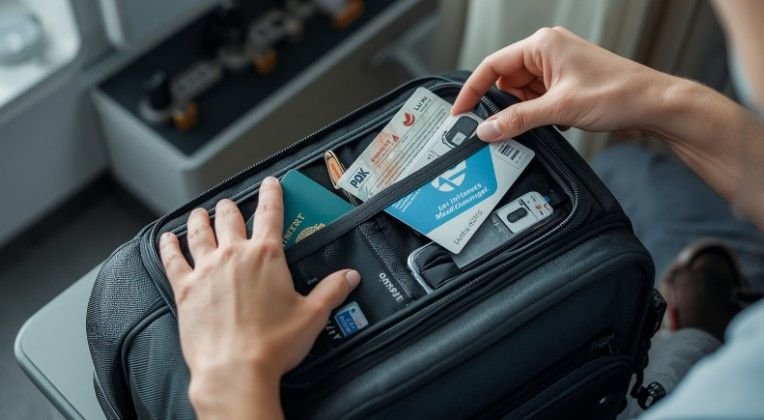
Good ID habits also support safer travel. Carry your ID with health insurance information, allergy notes, medication lists, and emergency contacts. This is helpful for solo travelers, seniors, families, business travelers, and guests with medical conditions.
Before leaving, share your hotel name and dates with someone trusted. Smart planning is not dramatic; it is just the grown-up version of packing snacks.
Frequently Asked Questions
1. What Do Hotels Need Your ID For?
Hotels need your ID to confirm your identity, match the reservation, verify age, prevent fraud, support guest safety, and keep records when local laws or hotel policies require them.
2. Can A 19 Year Old And A 25 Year Old Get A Hotel Room?
Yes, in many cases, if the 25-year-old is the registered guest and meets the property’s minimum check-in age. The 19-year-old may also need ID if staying overnight.
3. Can A 17 Year Old And An 18 Year Old Stay In A Hotel Together?
Sometimes, but it depends on the hotel’s age policy. Many properties require the registered guest to be 18, 21, or older, so call the specific hotel first.
4. Can I Check Into A Hotel If I Lost My ID?
Maybe, but it is not guaranteed. Contact the hotel immediately and ask whether they accept a passport, temporary ID, police report, digital ID, or other backup documents.
Lobby Win: Pack Smart, Check In Easy
Hotel ID requirements are not there to ruin your trip; they are there to keep bookings safe, guests accountable, and check-in organized. Bring a valid photo ID, match the reservation name, carry the right payment card, and call ahead for special situations. Do that, and your next hotel stay can start with a smile instead of a paperwork panic.