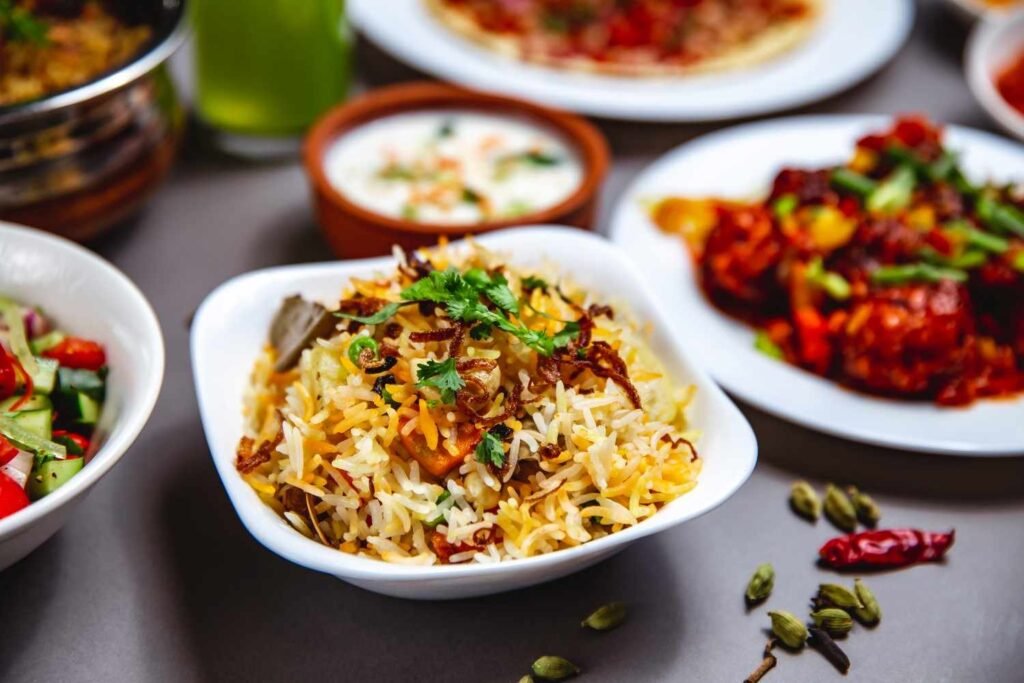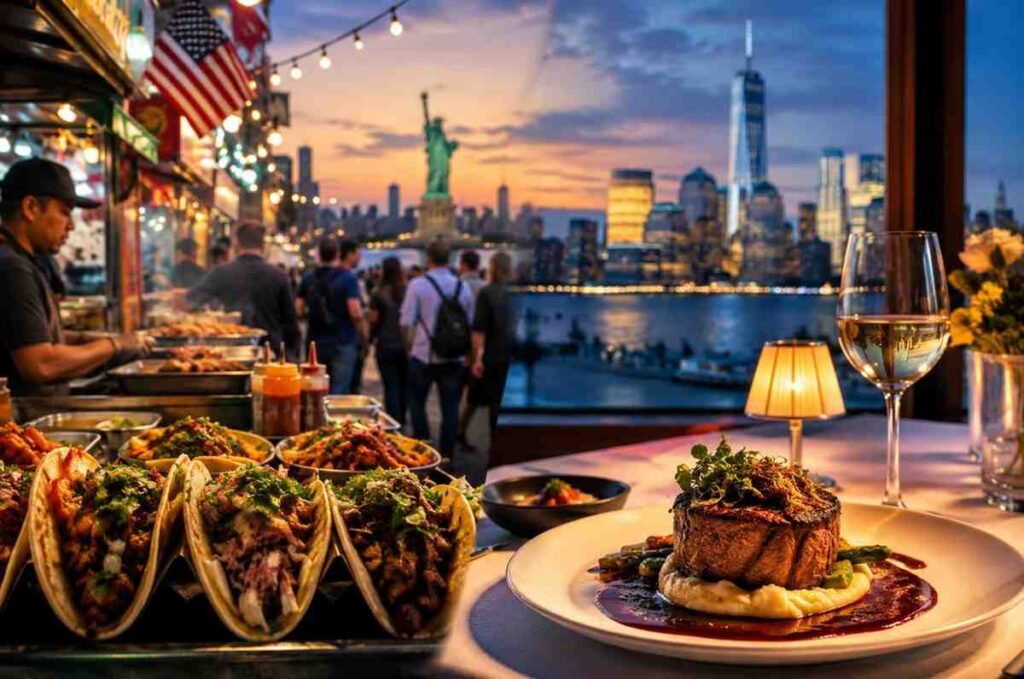

Not long ago, most vacations revolved around famous landmarks, guided tours, and carefully planned sightseeing schedules. Today, many travelers return home talking less about monuments and more about the unforgettable taco stand they discovered down a side street or the cooking class that taught them a family recipe passed down for generations.
That shift says a lot about how travel has changed. Culinary travel experiences have moved from being a small part of a trip to becoming the main reason many people choose a destination. Food is no longer just something travelers fit between activities. For a growing number of people, it is the activity.
Why Food Has Become a Major Reason People Travel?

Modern travelers increasingly want experiences that feel personal and authentic. Instead of checking attractions off a list, they want to understand how people live, celebrate, and connect with one another. Food offers a direct path to that experience.
Culinary tourism has grown into a major force within the travel industry because it allows visitors to engage with local culture in a meaningful way. A regional dish often tells a story about geography, history, migration, agriculture, and community traditions. That story becomes much easier to understand when you’re sitting at a neighborhood restaurant or walking through a bustling food market.
Recent industry research suggests that nearly 80% of travelers consider food an important factor when choosing a destination. That growing interest continues to shape travel planning, destination marketing, and tourism trends around the world.
Culinary Travel Experiences Create Stronger Cultural Connections
One of the biggest reasons people seek food-focused travel is the opportunity to connect with a place beyond its surface attractions.
Understanding Places Through Local Cuisine
Every region has ingredients, cooking methods, and traditions that reflect its identity. Coastal communities often build their food culture around seafood, while agricultural regions showcase seasonal produce and locally grown ingredients.
When travelers explore local cuisine, they gain insights that traditional sightseeing cannot always provide. A meal can reveal how communities adapted to their environment, preserved traditions, and developed a unique culinary heritage over generations.
Farm-to-table dining experiences have become particularly popular because they highlight the connection between local agriculture and regional dishes. Visitors get a deeper appreciation for where food comes from and how it reaches the table.
Meeting People Through Food
Food naturally creates conversation. Whether it’s a family-owned restaurant owner sharing stories about a signature dish or a local guide explaining the significance of a neighborhood food market, these interactions often become the most memorable moments of a trip.
Unlike many tourist attractions, dining experiences encourage genuine human connection. Travelers often leave with a better understanding of local customs, traditions, and hospitality.
The Experiences Travelers Are Looking For Today
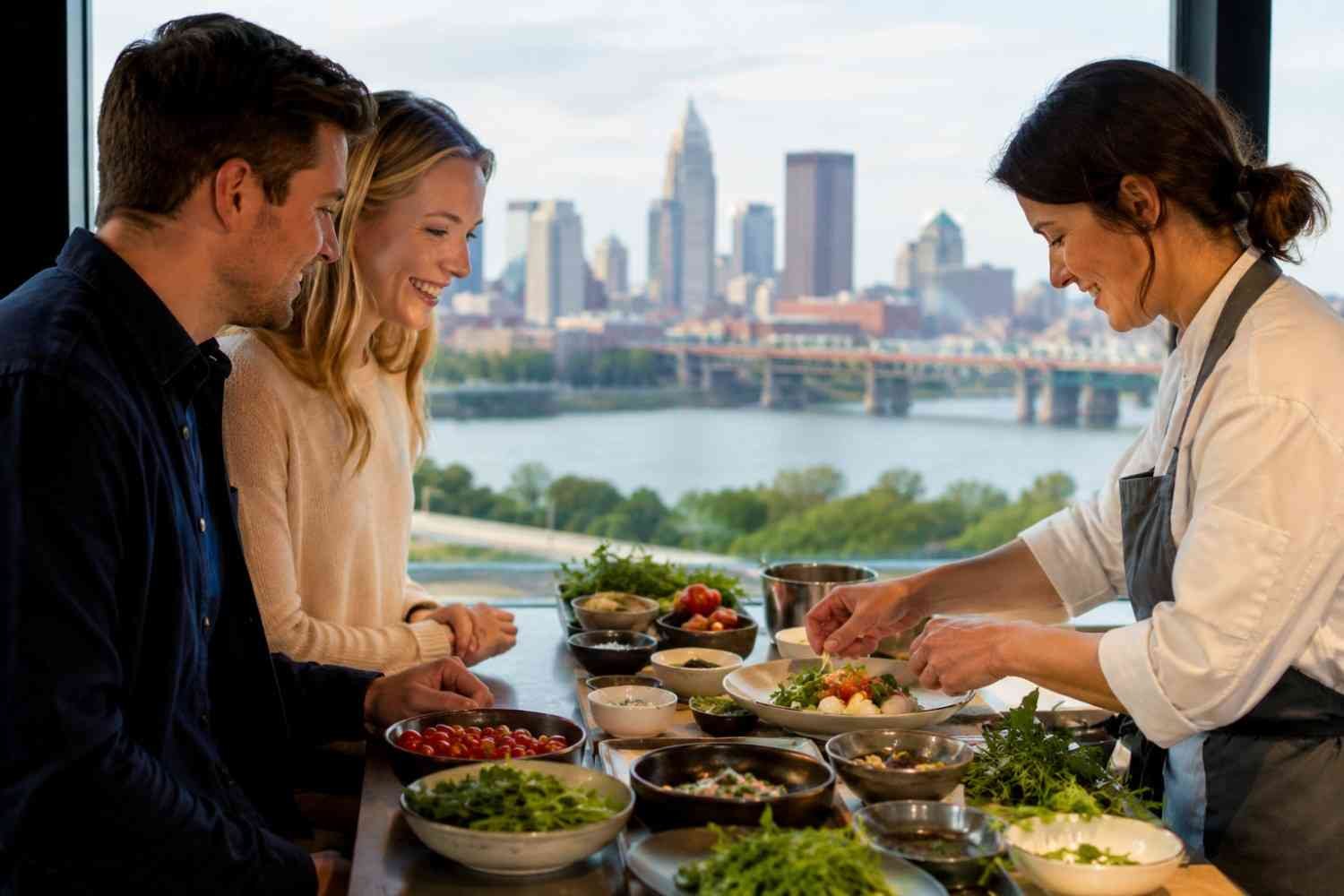
The modern food traveler is interested in much more than restaurant reservations.
Several types of culinary travel experiences continue to attract attention:
- Street food tours that showcase regional specialties and local favorites
- Cooking classes that teach traditional recipes and preparation techniques
- Food markets featuring seasonal ingredients and artisanal products
- Farm visits that connect travelers with producers and sustainable agriculture
- Food festivals celebrating local food traditions and culinary creativity
These activities provide hands-on participation rather than passive observation. Travelers want to learn, taste, create, and engage.
One emerging trend is often referred to as “snackpacking.” Popular among Millennial and Gen Z travelers, this approach focuses on discovering local snacks, food halls, bakeries, and casual street food vendors. Rather than spending an entire budget on a single fine-dining experience, travelers sample multiple regional dishes throughout their journey.
This shift reflects a broader interest in authentic dining experiences that feel accessible and connected to everyday local life.
How Social Media Has Changed Food Tourism
Food has always influenced travel decisions, but social media has amplified its impact dramatically.
Platforms like Instagram and TikTok have transformed food into one of the most powerful forms of travel inspiration. A short video featuring handmade noodles, a unique dessert, or a vibrant night market can quickly attract millions of views and spark interest in destinations that many travelers had never previously considered.
The visual nature of food makes it highly shareable. Travelers often discover new culinary destinations through creator recommendations, restaurant reviews, and viral food trends.
This digital influence has also increased demand for experiential travel. People no longer want to simply photograph a meal. They want to participate in the process, meet the people behind it, and understand the story that makes it unique.
As a result, culinary travel experiences have become deeply connected to the creator economy, audience engagement, and digital communication trends that shape modern tourism.
Why Culinary Travel Supports Local Communities?
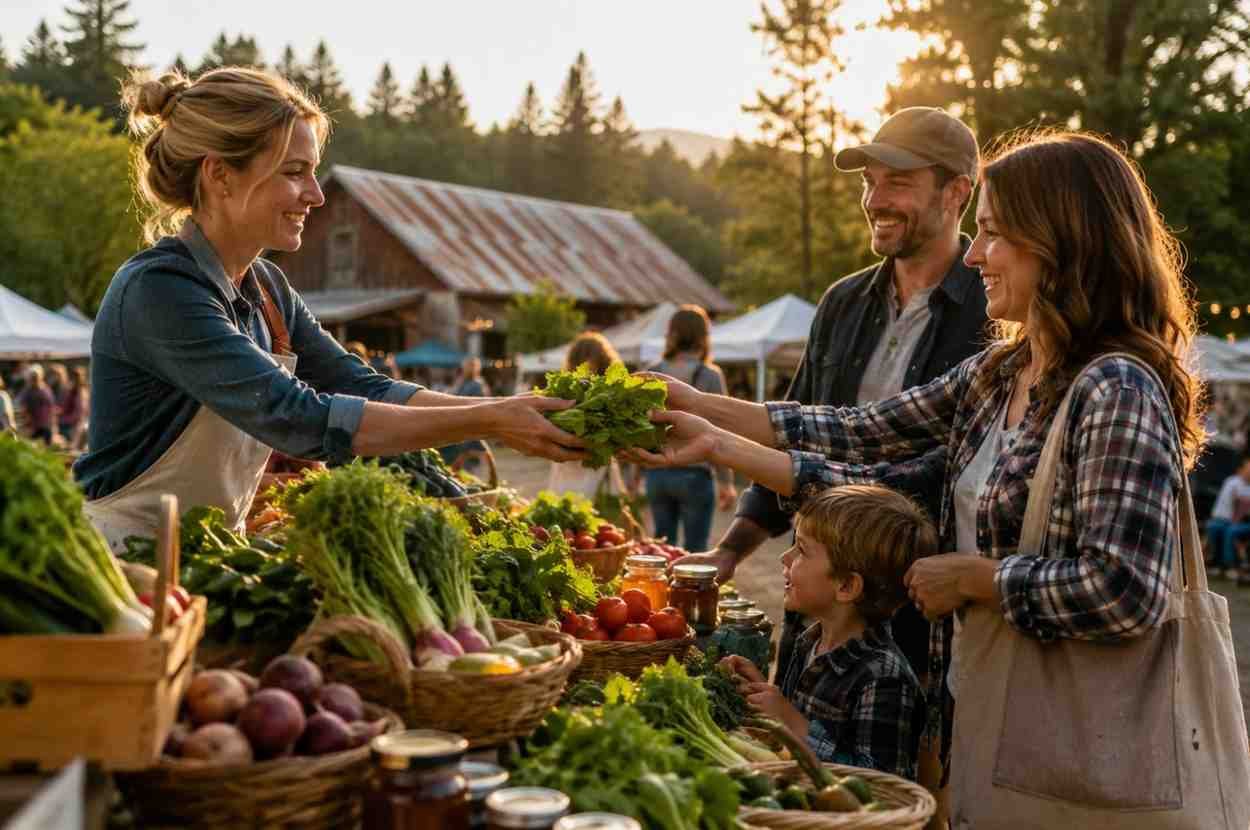
Food tourism benefits more than travelers. It can also create meaningful economic opportunities for local communities.
When visitors spend money at independent restaurants, local markets, family-owned businesses, and artisanal producers, more tourism revenue remains within the destination. This support helps preserve culinary traditions while encouraging entrepreneurship.
Sustainable tourism has become another important factor. Many travelers actively seek businesses that prioritize ethical sourcing, organic production, seasonal ingredients, and environmentally responsible practices.
This growing interest in sustainability has increased demand for experiences such as:
- Organic farm tours
- Sustainable seafood programs
- Local producer partnerships
- Community-based tourism initiatives
These choices allow travelers to align their spending with their values while supporting the long-term health of local economies.
What Travelers Bring Home Beyond Photos
The most lasting part of culinary tourism often isn’t the meal itself. It’s what travelers learn along the way.
A cooking workshop might introduce new preparation techniques. A food market visit may teach visitors about unfamiliar ingredients. Conversations with local chefs can provide a deeper understanding of cultural traditions and dining customs.
These experiences often continue influencing daily life long after the trip ends. Travelers recreate recipes, seek out new ingredients, and share stories with friends and family.
Unlike souvenirs that eventually collect dust, culinary memories remain active through the meals people cook and the traditions they continue to explore.
FAQs: The Growing Appeal of Culinary Travel Experiences in Modern Tourism
1. What are culinary travel experiences?
Culinary travel experiences are trips or activities centered around food and drink. They can include cooking classes, food tours, market visits, farm experiences, local dining, and food festivals.
2. Why has culinary tourism become so popular?
Travelers increasingly seek authentic cultural experiences. Food provides a direct way to connect with local traditions, communities, and history while creating memorable travel moments.
3. What is the difference between food tourism and traditional tourism?
Traditional tourism often focuses on attractions and sightseeing, while food tourism emphasizes local cuisine, culinary heritage, and immersive dining experiences.
4. Are culinary travel experiences only for serious food enthusiasts?
No. Anyone interested in culture, local traditions, or unique travel experiences can enjoy culinary tourism. Many activities are designed for beginners and casual travelers.
Why Food Remains the Most Memorable Part of Many Trips
Long after travelers forget ticket prices, hotel room numbers, or even some famous landmarks, they often remember a remarkable meal. Food engages all the senses while creating opportunities for discovery, conversation, and cultural understanding. It transforms travel from something people observe into something they actively participate in. That’s a powerful reason why culinary travel experiences continue gaining popularity across generations.
The destinations people remember most are often the ones they can still taste years later.