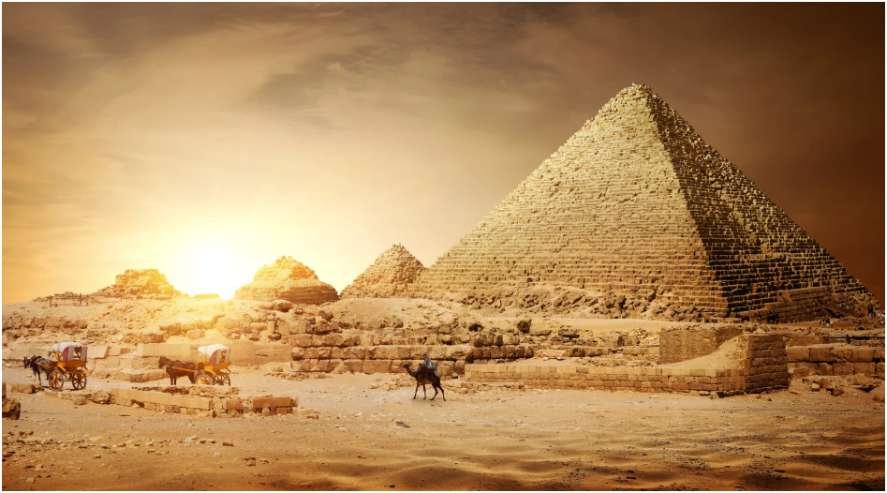
Some ruins impress you because they are old. Others stop you mid-step because they still feel alive. The best historical destinations for for Ancient Site Lovers are not just places with broken stones and tour groups. They are protected landscapes where art, engineering, nature, and silence work together.
I prefer ancient sites that give me space to feel the past. A temple squeezed between traffic and glass towers can still be powerful, but isolated archaeological parks hit differently. You hear wind, birds, footsteps, and maybe monkeys in the trees. That silence makes history feel larger.
Why Ancient Sites Feel Better Outside Modern Cities
For me, the strongest ancient destinations have three things: atmosphere, preservation, and scale. A good museum explains history. A great archaeological park makes you walk through it.
That is why places like Tikal, Petra, Angkor, Hampi, and Ellora feel unforgettable. They do not only show monuments. They preserve full ancient environments. You can move from temple to plaza, from jungle trail to carved wall, from open valley to sacred stone.
This article focuses on ancient sites that offer real travel value for US readers planning a meaningful trip. Some are famous. Some feel more specialized. All of them reward travelers who care about ruins, craftsmanship, and the physical experience of standing where older civilizations once stood.
Tikal: Jungle, Pyramids, and Total Isolation
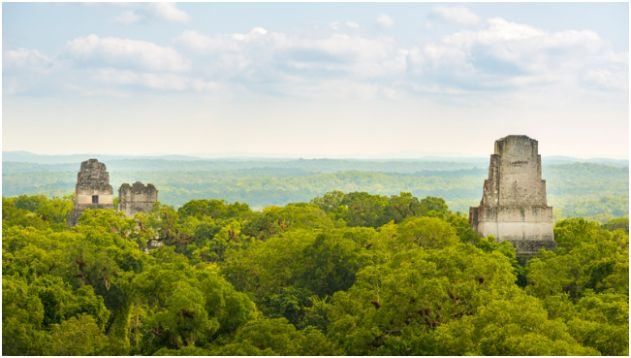
Tikal National Park in Guatemala is one of the most atmospheric ancient places in the world. It sits deep in the Petén rainforest, where Maya pyramids rise above thick green canopy.
The magic of Tikal is not only the architecture. It is the setting. Walking between temples means passing through forest paths where howler monkeys, toucans, and humid jungle air become part of the experience. The site feels distant from modern life in the best possible way.
Temple IV is the classic moment. From the top, you can look across the rainforest and see stone peaks breaking through the trees. It feels less like visiting a ruin and more like discovering a lost skyline.
Tikal is ideal for travelers who want ancient history mixed with wildlife, walking, and serious isolation.
Petra: A City Carved Into Desert Stone
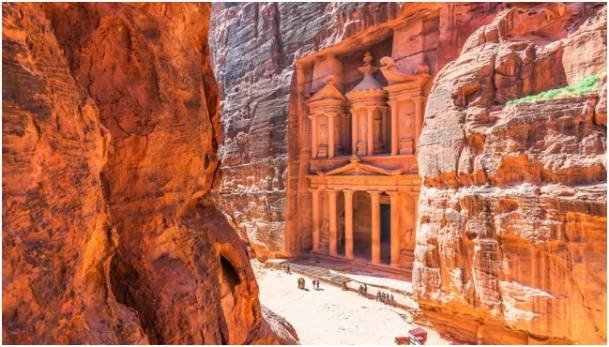
Petra in Jordan delivers one of the most dramatic arrivals in travel. You do not simply appear in front of the famous Treasury. You walk through the Siq, a narrow canyon of sandstone walls, until the carved facade slowly comes into view.
That approach matters. It builds suspense. Petra feels designed to reveal itself in stages.
The Nabataean city is half-built and half-carved into rock, which gives it a rare visual power. Tombs, temples, stairways, and facades seem to grow out of the desert cliffs. The rose-red sandstone changes color with the light, so morning and late afternoon feel completely different.
Petra suits travelers who want ancient architecture with cinematic drama. It is also a strong choice if you like long walks, desert landscapes, and ruins that feel monumental without losing detail.
Angkor: The Ancient World Hidden in Forest
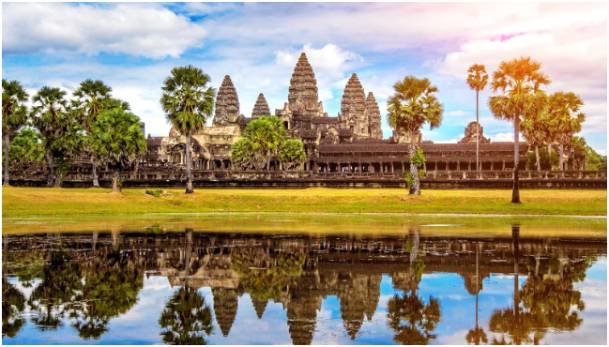
Angkor Archaeological Park in Cambodia is not a single temple stop. It is a vast historical landscape. The park covers forested areas, temples, hydraulic structures, and remains of Khmer capitals.
Angkor Wat gets the spotlight, and rightly so. Its symmetry, towers, moat, and bas-reliefs create one of the most recognizable ancient monuments on Earth. But the wider park is what makes Angkor extraordinary.
Ta Prohm brings the jungle close. Tree roots twist over stone walls, creating that famous nature-versus-empire feeling. Bayon offers sculptural density, with faces and carvings that make the temple feel watchful.
Angkor is one of the best historical destinations for travelers who love ancient sites because it gives you range. You can chase sunrise views, study carvings, explore quiet corners, and still feel like you only scratched the surface.
Ajanta and Ellora: Ancient Art Cut Into Rock
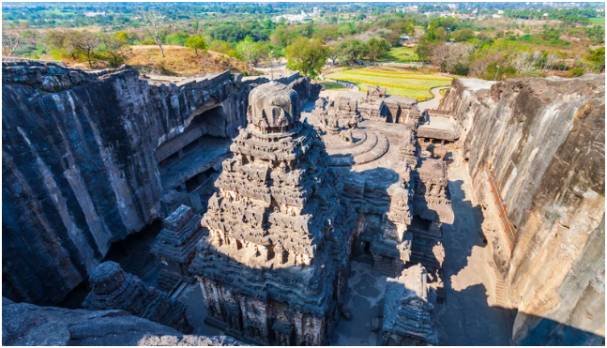
Ajanta and Ellora in Maharashtra, India, are perfect for travelers who care about art as much as architecture. These are not plain ruins. They are carved and painted worlds.
Ajanta for Murals and Quiet Cave Art
Ajanta is best known for Buddhist cave monuments, murals, and expressive frescoes. The caves sit in a secluded horseshoe-shaped gorge, which adds to the feeling of retreat.
What makes Ajanta special is intimacy. The art asks you to slow down. Faces, gestures, and painted scenes carry emotion. It feels less like a monument built to overpower you and more like a preserved spiritual archive.
Ellora for Carved Temples and Scale
Ellora is bolder and more architectural. Its rock-cut caves represent Buddhist, Hindu, and Jain traditions. The standout is Kailasa Temple, a huge monolithic structure carved from living rock.
The first time you understand that the temple was cut from the top down, the place becomes almost unbelievable. It is not assembled stone by stone. It is mountain turned into architecture.
For ancient art lovers, Ajanta and Ellora make a powerful pair. Ajanta gives painted storytelling. Ellora gives sculptural ambition.
Banteay Srei and Copán: Small Details, Huge Impact
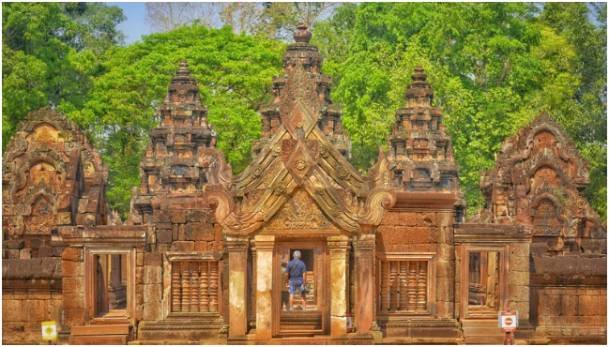
Not every ancient site wins through size. Some win through precision.
Banteay Srei in Cambodia is often called the art gallery of Angkor. Built from pinkish sandstone, it is famous for deeply cut carvings that cover walls, lintels, and pediments. The scale is smaller than Angkor Wat, but the detail is astonishing.
Copán in Honduras offers a different kind of artistic density. This Maya site is famous for stelae, sculpted portraits, and the Hieroglyphic Stairway. The carvings feel personal, almost like stone biography.
I would place Banteay Srei and Copán high on any list for travelers who love close-looking. These are places where you do not rush. You lean in.
Teotihuacan, Baalbek, and the Power of Scale
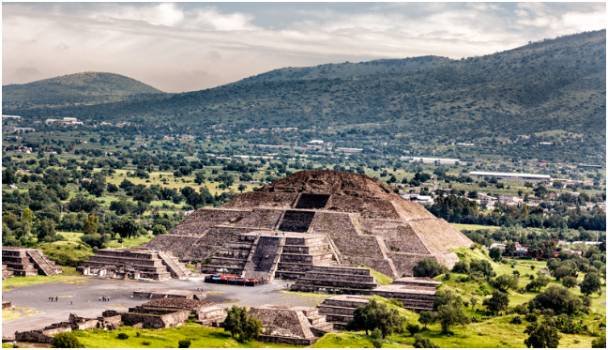
Some ancient sites are not delicate. They are designed to make you feel small.
Teotihuacan in Mexico delivers that feeling through geometry. The Avenue of the Dead, Pyramid of the Sun, and Pyramid of the Moon create a vast ceremonial axis. The experience is direct, open, and physical.
Baalbek in Lebanon takes Roman architecture to colossal extremes. The Temple of Jupiter once stood on a platform built with gigantic stones. The remaining columns still rise with intimidating force.
Saksaywamán and Ollantaytambo in Peru show another kind of scale. Inca stonework feels almost impossible because the blocks fit so tightly without mortar. The walls look massive and precise at the same time.
These are the sites I would choose for travelers who want engineering more than ornament. They are ancient statements of power.
How I Would Choose the Right Ancient Site
I use a simple three-part test before planning a history-focused trip.
First, choose atmosphere. If you want isolation, pick Tikal, Petra, Göbekli Tepe, or Mehrauli Archaeological Park near New Delhi. These places give you space to feel the landscape around the ruins.
Second, choose detail. If carvings, murals, and sculpture matter most, look at Ajanta, Ellora, Banteay Srei, Hampi, and Copán. These sites reward patience and close observation.
Third, choose scale. If you want colossal stonework, choose Teotihuacan, Baalbek, Tikal, Saksaywamán, or Ollantaytambo. These places turn architecture into awe.
For US travelers, I would also think about trip style. Mexico and Guatemala can be easier for shorter international trips. Jordan, India, Cambodia, Peru, and Lebanon usually need more planning time. If your schedule is tighter, pair ancient history with urban culture by exploring city break destinations for short weekend trips before choosing a longer heritage trip.
FAQs
1. What are the best ancient sites for first-time history travelers?
Petra, Angkor, Tikal, Teotihuacan, and Hampi are great first choices because they combine strong visuals, clear history, and memorable landscapes.
2. Which ancient destination is best for detailed carvings?
Ellora, Banteay Srei, Copán, and Hampi are excellent for travelers who want intricate carvings, sculptural detail, and ancient craftsmanship.
3. Which ancient site feels the most isolated?
Tikal feels deeply isolated because its Maya temples rise from rainforest, while Petra feels remote because the desert canyon creates a dramatic entrance.
Final Stamp: Let the Stones Do the Talking
The best ancient sites do not need noise, neon, or overbuilt attractions. They win because the stones still speak. If I had to choose one destination by mood, I would pick Tikal for isolation, Ellora for craftsmanship, Angkor for variety, and Teotihuacan for scale.
For your own trip, do not start with the most famous name. Start with the feeling you want. Art, jungle, desert, engineering, silence, or scale will point you toward the right ruins faster than any generic bucket list.